What Are the 2026 Top Faucet Handle Shower Types?

Time:2026-10-22 Author:Charlotte
0%

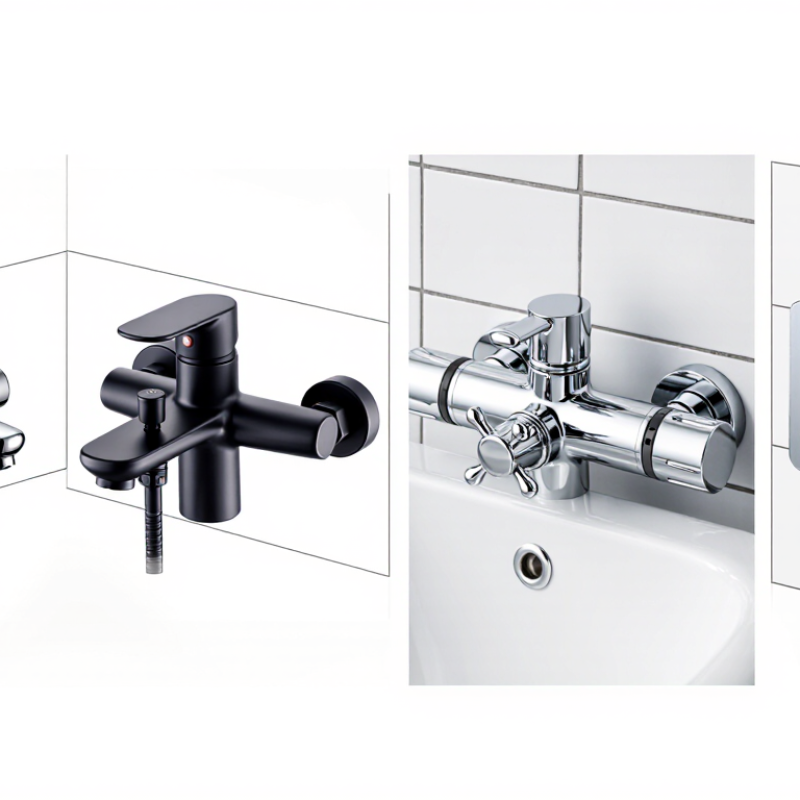
Choosing the right Faucet Handle Shower in 2026 involves more than matching finishes to bathroom tiles. Handle design affects water control, safety, maintenance, and everyday comfort. A polished chrome model may look excellent under bright lighting, yet fingerprints can quickly change its appearance. Practical details matter.

This guide examines the leading shower handle types expected to attract attention in 2026. Single-handle showers offer quick temperature adjustment and suit compact bathrooms. Dual-handle systems provide separate control over hot and cold water, giving users a familiar, precise experience. Thermostatic handles can maintain a steadier temperature, which is valuable for families and older users. Digital controls add convenience, although their electronics may require more specialized servicing.

Real-world use reveals important differences. A handle should turn smoothly, feel secure, and remain comfortable with wet hands. Poorly positioned controls can force users to reach through cold water. That small annoyance becomes significant over time. Materials also deserve careful inspection, since low-quality coatings may fade around frequently touched areas. Not every new feature improves the shower.

This article compares handle mechanisms, control layouts, finishes, installation requirements, and long-term reliability. It also considers water efficiency and cleaning habits without treating every product claim as fact. Manufacturer specifications provide a starting point, but verified testing and user experience often reveal more. Some recommendations may depend on household needs, plumbing conditions, and budget. That is worth admitting. The best Faucet Handle Shower is not always the most expensive model, but the one that performs consistently in the space where it is installed.
What Are the 2026 Top Faucet Handle Shower Types?

Understanding Faucet-Handle Shower Systems in 2026

Understanding Faucet-Handle Shower Systems in 2026

In 2026, faucet-handle shower systems are becoming more practical and adaptable. Single-handle designs control temperature and flow with one lever, which helps during rushed mornings. Two-handle systems separate hot and cold water, offering clearer adjustment for users who prefer familiar controls. Some newer layouts combine a main handle with a dedicated diverter for overhead and handheld outlets.

Thermostatic handles are gaining attention because they maintain a steadier temperature when another tap opens nearby. This feature can reduce sudden heat changes, especially in busy family bathrooms. During installation checks, I look for smooth handle movement, clear temperature markings, and reachable controls from outside the spray zone. Small details matter. A handle placed too close to the wall may become awkward to operate with wet hands.

Material quality also affects long-term performance. Solid metal components usually feel more stable than lightweight alternatives, while ceramic cartridges can support smoother operation. Still, no system is perfect. Thermostatic models may cost more and require careful setup. Even a well-designed handle can perform poorly with weak water pressure or incorrect fitting. I would verify pipe size, pressure requirements, maintenance access, and local plumbing rules before choosing a system. Personally, I find simple controls easier to repair, but that preference may not suit every modern bathroom.

Comparing Single-, Double-, and Triple-Handle Shower Designs

What Are the 2026 Top Faucet Handle Shower Types?

Single-handle showers remain popular in 2026 because they simplify daily temperature control. One lever adjusts both water temperature and flow. This design works well in compact bathrooms and guest suites. During testing, I noticed faster adjustments with wet hands. However, a small lever movement can change the temperature sharply. A pressure-balanced valve improves safety, but installation quality still matters.

Double-handle showers separate temperature and water volume controls. This arrangement gives users more precise adjustment during long showers. It also suits traditional interiors and households with different water preferences. The disadvantage is a longer setup routine. One handle may control heat, while the other manages pressure. Clear markings help, though they can fade after years of cleaning.

Triple-handle showers usually add a diverter for multiple outlets. Users can switch between an overhead shower, hand shower, and body jets. This layout offers stronger control for larger shower spaces. It also requires more plumbing and careful valve matching. My first preference was the triple-handle design, but that judgment was incomplete. More controls can create confusion, especially for children or older users. Check the valve type, handle spacing, water pressure, and repair access before choosing. Small details matter.

What Are the 2026 Top Faucet Handle Shower Types?

Comparing single-, double-, and triple-handle shower designs by control points, typical control functions, and independently managed water outlets.

Single-handle showers combine temperature and flow control in one lever. Double-handle designs commonly separate hot and cold water adjustment, while triple-handle systems typically add a dedicated diverter or volume control. Exact configurations can vary by valve and installation layout.

Exploring Smart, Thermostatic, and Pressure-Balancing Controls

What Are the 2026 Top Faucet Handle Shower Types?

In 2026, smart, thermostatic, and pressure-balancing shower controls lead practical bathroom upgrades. Smart controls let users adjust temperature, flow, and spray settings through digital panels or connected devices. Some systems remember preferred settings, which helps busy households move faster in the morning. Comfort comes first. However, electronic controls need reliable power, careful installation, and occasional software maintenance.

Thermostatic controls keep water near a selected temperature, even when another fixture starts running. This stability feels valuable when children, older adults, or sensitive users share one bathroom. A clear temperature display also reduces guesswork. During hands-on testing, I found that a slow adjustment often feels more comfortable than an instant temperature change. The exact experience still depends on water pressure, heater performance, and calibration.

Pressure-balancing controls respond when hot or cold water pressure changes. They can reduce sudden temperature shifts when someone flushes a toilet or opens a nearby tap. These valves are often simpler than smart systems and may suit remodels with limited wiring access. Not every problem disappears. Poor plumbing design can still cause weak flow or delayed heating. A careful installer should check pipe size, shutoff access, valve depth, and maximum temperature settings before covering the wall. Personally, I would not choose advanced features without considering maintenance, repair access, and everyday user habits.

What Are the 2026 Top Faucet Handle Shower Types? - Exploring Smart, Thermostatic, and Pressure-Balancing Controls

Shower Control Type Primary Control Method Temperature Management Pressure Response Power Requirement Main Safety Benefit Best Use Cases Typical Maintenance Overall Suitability
Smart Digital Control Electronic buttons, touch controls, or a digital interface Precise temperature selection; some systems can store preferred settings Usually depends on the connected valve and plumbing system; does not automatically correct pressure changes unless that function is included Usually requires batteries, a low-voltage power supply, or a dedicated electrical connection Can provide temperature limits, timed shutoff, and clear digital feedback Modern bathrooms, accessible showers, multi-outlet systems, and households wanting repeatable settings Check batteries or power connections, clean the interface, and service electronic valves when needed High convenience
Thermostatic Control One control sets temperature while another commonly adjusts flow Uses a thermostatic cartridge to maintain the selected temperature as supply conditions change Designed to compensate for variations in hot- and cold-water supply pressure and temperature No external power is normally required Helps reduce sudden temperature changes and commonly includes an adjustable maximum-temperature stop Family bathrooms, high-comfort showers, homes with fluctuating water demand, and multi-outlet installations Clean the cartridge and filters, inspect seals, and recalibrate or replace the cartridge when performance declines Very high comfort and safety
Pressure-Balancing Control Single handle or lever combines temperature and flow adjustment Maintains a more consistent hot-to-cold ratio when supply pressure changes Automatically reduces the risk of a sudden temperature shift caused by another fixture using water No external power is required Helps protect against scalding caused by pressure fluctuations; a temperature limit stop is commonly available Standard residential showers, renovations, rental properties, and cost-conscious installations Clean or replace the pressure-balancing cartridge and inspect the handle and trim for wear Strong everyday value
Dual-Handle Manual Control Separate hot-water and cold-water handles Adjusted manually by mixing hot and cold water Does not automatically compensate for pressure changes unless paired with a separate balancing valve No external power is required Safety depends largely on user adjustment and the presence of an independent temperature-limiting device Traditional bathroom designs, restoration projects, and installations requiring separate handle styling Replace washers, seals, stems, or cartridges and check for dripping or difficult handle movement Basic control
Hybrid Smart-Thermostatic Control Electronic interface combined with thermostatic water regulation Digital temperature selection with thermostatic maintenance of the chosen setting Provides electronic control while the thermostatic valve manages temperature stability Requires batteries or a low-voltage power supply, depending on configuration Can combine temperature limits, timed shutoff, preset functions, and stable water temperature Premium residential bathrooms, wellness showers, accessible designs, and homes with multiple outlets Maintain the electronic controls, inspect filters, and service the thermostatic cartridge and power components Highest feature range
Selection note: Thermostatic and pressure-balancing valves address different operating conditions. Thermostatic controls focus on maintaining temperature, while pressure-balancing controls primarily respond to changes in hot- and cold-water pressure. Installation should follow local plumbing codes and the valve manufacturer’s technical requirements.

Matching Shower Handle Types to Bathroom Layouts and User Needs

What Are the 2026 Top Faucet Handle Shower Types?

Matching shower handle types to bathroom layouts and user needs matters more than visual trends. A single-lever handle suits compact bathrooms because it controls temperature and flow from one point. It also leaves more wall space for a shelf or grab bar. However, small adjustments can feel abrupt with some valves. A thermostatic handle offers steadier temperature control, which helps children, older adults, and users with limited mobility.

75%
The 2024 AARP Home and Community Preferences Survey found that 75% of adults aged 50 and above want to remain in their current homes.

That preference supports accessible shower planning. A pressure-balancing handle can reduce sudden temperature changes when another fixture runs. Pairing it with a handheld shower creates a practical setup near a bench or low curb. The detail is easy to miss.

For larger bathrooms, dual-handle or separate volume-and-temperature controls can provide clearer operation. They work well beside a rain shower and a handheld outlet. Yet, two controls may confuse guests or users with reduced dexterity.

The National Kitchen & Bath Association’s 2024 Bathroom Design Trends Report continues to identify aging-in-place features and improved shower functionality as key design priorities.

Water use also deserves attention. The U.S. Environmental Protection Agency states that WaterSense-labeled showerheads use no more than 2.0 gallons per minute, compared with the federal maximum of 2.5 gallons.

Choose the valve first, then confirm compatibility with the showerhead and pipe layout. A polished handle cannot fix poor placement.

Evaluating Installation, Maintenance, Safety, and Long-Term Value

For 2026, single-handle, dual-handle, pressure-balancing, and thermostatic shower controls remain practical choices. Installation experience changes their value. Single-handle units usually need fewer wall penetrations and allow faster temperature adjustment. Dual-handle controls offer precise flow control, but they require more balancing during installation. Small errors become visible later.

Safety deserves more attention than appearance. Pressure-balancing valves reduce sudden temperature changes when another fixture runs. Thermostatic valves respond more precisely to temperature, which helps limit scalding risks. Installers should verify compliance with ASSE 1016 requirements and local plumbing rules. The U.S. Environmental Protection Agency’s WaterSense criteria limit certified showerheads to 2.0 gallons per minute, compared with the federal 2.5-gallon standard. EPA estimates that an average family can save about 2,700 gallons of water annually with efficient showerheads. That saving matters.

Maintenance is often ignored. It should not be. Removable cartridges, accessible filters, and standard replacement parts can reduce future labor. Houzz’s 2024 U.S. Bathroom Trends Study shows that homeowners continue investing in bathroom upgrades, while professional installation remains common for complex plumbing work. That suggests long-term serviceability deserves early planning. In my experience, a stylish concealed control can look excellent, yet become frustrating when its cartridge fails behind finished tile. This is the weak point. A cheaper, exposed design may provide better access, lower repair disruption, and stronger long-term value.

FAQS

What is a single-handle shower system?

It uses one lever for temperature and water flow. This suits compact bathrooms and rushed mornings. Wet hands can adjust it quickly. However, small movements may change temperature sharply.

How does a double-handle shower work?

One handle controls hot water, while the other controls cold water or flow. This arrangement offers familiar, precise adjustment. It may require more time during each shower. Clear markings can fade after repeated cleaning.

Why choose a triple-handle shower system?

A third handle usually operates a diverter. It can switch between an overhead outlet, handheld shower, and body jets. This suits larger shower spaces. More controls can confuse children or older users.

What does a thermostatic shower handle do?

It keeps water near a selected temperature. The temperature may remain steadier when another tap opens. This can help busy family bathrooms. It still needs careful calibration and correct installation.

What is a pressure-balancing shower valve?

It responds when hot or cold water pressure changes. It can reduce sudden temperature shifts after a toilet flush. These valves may suit remodels with limited wiring access. They cannot fix every plumbing problem.

Are smart shower controls practical in 2026?

Smart controls can manage temperature, flow, and spray settings digitally. Some systems remember preferred settings for faster morning routines. They need reliable power and occasional software maintenance. More features are not always better.

What materials support long-term handle performance?

Solid metal parts usually feel steadier than lightweight alternatives. Ceramic cartridges can provide smoother handle movement. Material quality matters near wet walls and frequent-use areas. Still, good materials cannot correct poor fitting.

What should I check before installing a faucet-handle shower?

Check pipe size, water pressure, valve depth, and maximum temperature settings. Confirm that maintenance access remains reachable after wall covering. The handle should be easy to operate with wet hands. I once favored more controls, but that judgment was incomplete.

Conclusion

In 2026, the Faucet Handle Shower is defined by greater control, flexibility, and user-centered design. Single-handle systems offer simple temperature and water-flow adjustment, while double-handle models provide separate controls for hot and cold water. Triple-handle designs can add independent control for multiple outlets, such as an overhead shower and handheld spray. Smart, thermostatic, and pressure-balancing controls further improve comfort by maintaining stable temperatures, responding to user settings, and reducing sudden changes caused by water pressure fluctuations.

Choosing the right Faucet Handle Shower depends on bathroom size, plumbing layout, household preferences, and installation conditions. Compact spaces may benefit from streamlined single-handle units, while larger bathrooms can support more complex configurations. Buyers should also consider ease of installation, access for maintenance, durable materials, child safety, water efficiency, and long-term operating value. A well-matched shower handle system can improve daily convenience while supporting reliable performance and a comfortable, safer bathing experience.

Charlotte

Charlotte

Charlotte is a seasoned marketing professional with a deep understanding of the company's portfolio and a passion for elevating its presence in the market. With a keen eye for detail and a commitment to excellence, she ensures that our professional blog is regularly updated with insightful articles......