In an age where clean drinking water is crucial, the "RO Water Filter Faucet" stands out as a reliable solution. According to Dr. Emily Richards, a leading expert in water purification, “Investing in an RO Water Filter Faucet ensures access to pure, safe water for your family.” This technology effectively removes contaminants, providing peace of mind for many households.
RO systems work by removing heavy metals, chlorine, and other impurities. The convenience of a dedicated faucet makes it easy to integrate into your daily routine. As water quality concerns grow, the importance of a RO Water Filter Faucet cannot be overstated.
While they offer numerous benefits, some users may find installation tricky or have a learning curve. Regular maintenance is essential to ensure optimal performance. The heightened awareness of water quality makes investing in a RO Water Filter Faucet an increasingly wise choice for health-conscious consumers.
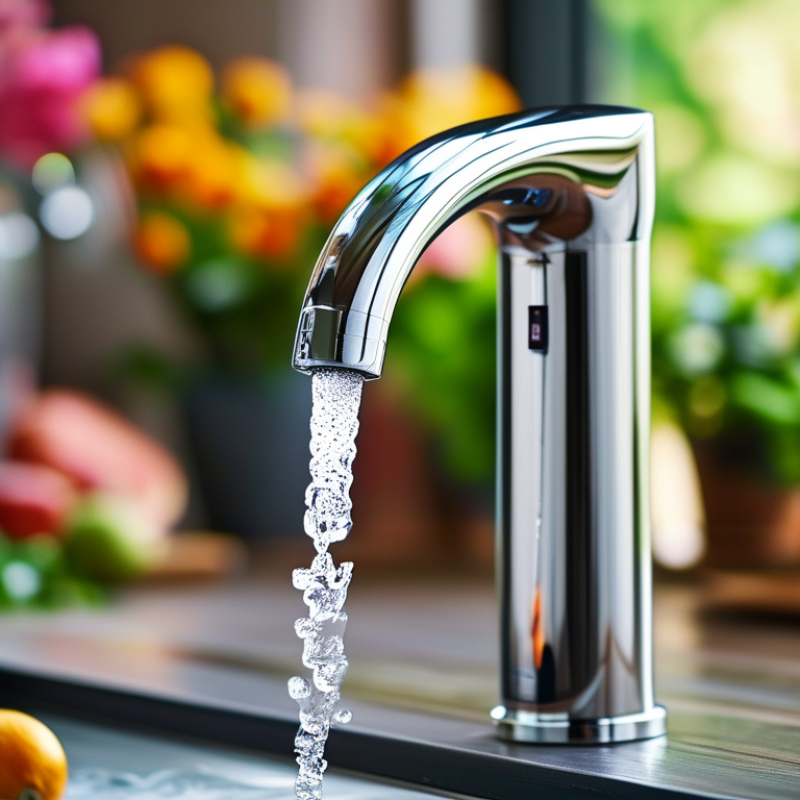
Benefits of RO Water Filtration Systems for Household Water Purification
RO water filtration systems offer several benefits for household water purification. These systems effectively remove contaminants, ensuring clean drinking water. They eliminate harmful substances like lead, chlorine, and bacteria. This process improves water taste and odor, making it more appealing for everyday use.
One major benefit is health. Consuming pure water enhances overall well-being. Contaminated water can lead to serious health issues over time. Installing an RO system can provide peace of mind for you and your family.
Tips for maximizing your RO system: Regular maintenance is crucial. Change filters as recommended. Check for leaks to avoid water wastage. Also, consider storing purified water in glass containers rather than plastic ones. This keeps it fresh longer and avoids chemical leaching.
Using an RO water filter faucet is a straightforward solution. It not only enhances your water quality but also supports a healthier lifestyle. Implementing these systems can significantly impact your daily water consumption habits, leading to long-term benefits.
Impact of RO Water Filters on Removing Contaminants in Drinking Water
Reverse Osmosis (RO) water filtration systems are known for their effectiveness in removing contaminants from drinking water. Studies indicate that these systems can eliminate up to 99% of harmful substances. This includes heavy metals like lead and mercury, as well as chlorine and fluoride. Contaminated water can lead to serious health issues. Protecting your family begins with understanding your water quality.
Recent data from the Environmental Protection Agency states that nearly 80% of U.S. water supplies contain some level of contaminants. This reality is alarming for health-conscious individuals. RO systems utilize a multi-stage filtration process. They force water through a semi-permeable membrane, capturing tiny particles that traditional filters often miss. For example, an RO system can address common contaminants, ensuring cleaner and safer drinking water.
Nevertheless, not all RO systems are created equal. Their efficiency can vary significantly based on design and maintenance. It’s crucial to regularly replace filters and monitor performance. Some users might find a slight drop in water flow. This is a signal that maintenance is needed. While RO systems are highly effective, users must remain proactive for optimal results. Regular checks contribute to long-term benefits and ensure ongoing protection against waterborne contaminants.
Top Benefits of Using RO Water Filter Faucet for Clean Water
This bar chart illustrates the effectiveness of RO water filters in removing various contaminants from drinking water. As demonstrated, RO filters can significantly reduce lead, chlorine, arsenic, fluoride, and bacteria, ensuring cleaner and safer drinking water for households.
Cost-Effectiveness of RO Filters Compared to Bottled Water Consumption
When considering filter options for clean water, the cost-effectiveness of RO (reverse osmosis) water filters stands out. Research shows that a family can save over $1,000 annually by switching from bottled water to an RO system. Bottled water can average $1.50 per liter. In contrast, an RO system costs about $0.10 per gallon.
Many households underestimate the hidden expenses tied to bottled water. Over time, these costs add up, impacting household budgets. An average person consumes around 167 bottles of water a year. That translates to nearly $250 only on bottled water. This figure does not include environmental impacts, such as plastic waste.
Investing in an RO filter faucet offers more than savings. It ensures a continuous supply of clean water, free of contaminants. According to the EPA, tap water can contain harmful substances, and filtering it enhances safety. Furthermore, while RO systems do use some water in their process, advances have made them more efficient than in the past. Still, evaluating personal water usage and filtration needs is crucial.
Health Advantages of Using RO Water for Daily Hydration and Cooking
Using RO water for daily hydration offers multiple health advantages. Reverse osmosis (RO) systems effectively remove impurities, contaminants, and harmful chemicals from water. According to the Environmental Protection Agency (EPA), RO filters can reduce up to 99% of common drinking water contaminants, including lead, chlorine, and nitrates. This results in cleaner, healthier water for cooking and drinking.
Studies show that hydration is essential for maintaining physical health. Water filtered through an RO system is often free from harmful quality issues. For instance, a report from the World Health Organization highlights that safe drinking water can prevent waterborne diseases.
Using RO water can greatly enhance food preparation. Cooking with pure, filtered water ensures that your meals retain their intended flavors and nutrition without unwanted pollutants that might alter taste or health benefits.
However, it's crucial to recognize that not all RO systems are perfect. Some may waste several gallons of water for every gallon filtered. Users must consider the environmental impact when selecting a system. Balancing water use efficiency with health benefits becomes an important factor. While RO water is healthier, reassessing your consumption and ensuring optimal usage can help maintain sustainable practices.
Environmental Benefits of Reduced Plastic Waste with RO Water Filtration
Using a reverse osmosis (RO) water filter faucet can dramatically reduce plastic waste. Reports show that Americans used about 50 billion plastic water bottles in 2020. Many of these bottles end up in landfills or oceans, contributing to pollution. RO water filtration systems provide a sustainable alternative, allowing households to enjoy clean water without relying on single-use plastics.
Data from environmental studies suggest that switching to RO water can prevent roughly 1,500 plastic bottles from landfills every year for a typical family. This shift not only conserves resources but also reduces energy consumption associated with producing and transporting bottled water. However, it's essential to be mindful of the environmental impact of the disposal of filters used in RO systems. Finding ways to recycle or properly dispose of these filters can enhance the sustainability of your water filtration efforts.
Tips: Regular maintenance of your RO system can improve its longevity and efficiency. Consider scheduling filter replacements and check for any leaks to maintain optimal performance. Explore local recycling options for your old filters to reduce their environmental footprint.
FAQS
: Families can save over $1,000 each year by switching from bottled water to an RO system.
Bottled water averages $1.50 per liter. This can lead to hidden costs adding up significantly.
RO systems can eliminate up to 99% of common contaminants, including lead and chlorine.
Yes, using RO water for cooking ensures meals are free from harmful pollutants.
Some systems can waste several gallons for every gallon filtered, raising environment concerns.
Switching to RO water can prevent about 1,500 plastic bottles from landfills annually per family.
Regularly replace filters and check for leaks to ensure optimal performance.
Yes, safe, filtered water can significantly reduce the risk of waterborne diseases.
No, some systems may not balance efficiency and health benefits perfectly. Reassess your needs.
Explore local recycling options to minimize the environmental impact of discarded filters.
Conclusion
The article "Top Benefits of Using Ro Water Filter Faucet for Clean Water" explores the numerous advantages of RO water filtration systems in household water purification. One of the primary benefits is their effectiveness in removing contaminants from drinking water, ensuring that households have access to safe and clean hydration. Additionally, using an RO water filter faucet proves to be more cost-effective compared to the ongoing expense of bottled water, allowing families to save money while staying healthy.
Furthermore, the health benefits of RO water are significant; it provides pure and mineral-balanced water ideal for daily hydration and cooking. Beyond individual health, the environmental impact is noteworthy, as utilizing RO filter systems significantly reduces plastic waste associated with bottled water consumption. In summary, the RO water filter faucet not only contributes to personal wellbeing but also promotes sustainable practices by minimizing environmental harm.

 Huazhu