Choosing the right water filter tap for your home can seem overwhelming. With various options available, making an informed decision is crucial. Understanding your water quality needs and filter types is essential for better health and taste.
Water filter taps are designed to improve the quality of tap water. They can reduce contaminants like chlorine, lead, and bacteria. Not all filters are created equal. Some may effectively remove specific impurities while leaving others behind. This inconsistency can affect your drinking water's safety.
When selecting a water filter tap, consider certifications and user reviews. Look for reputable brands that provide clear information. They should outline their filtering process and tested contaminant reduction. You might discover that some filters don’t perform as advertised. Being aware of these shortcomings can lead to better choices. Ultimately, the goal is to find a reliable water filter tap that meets your household's unique needs.
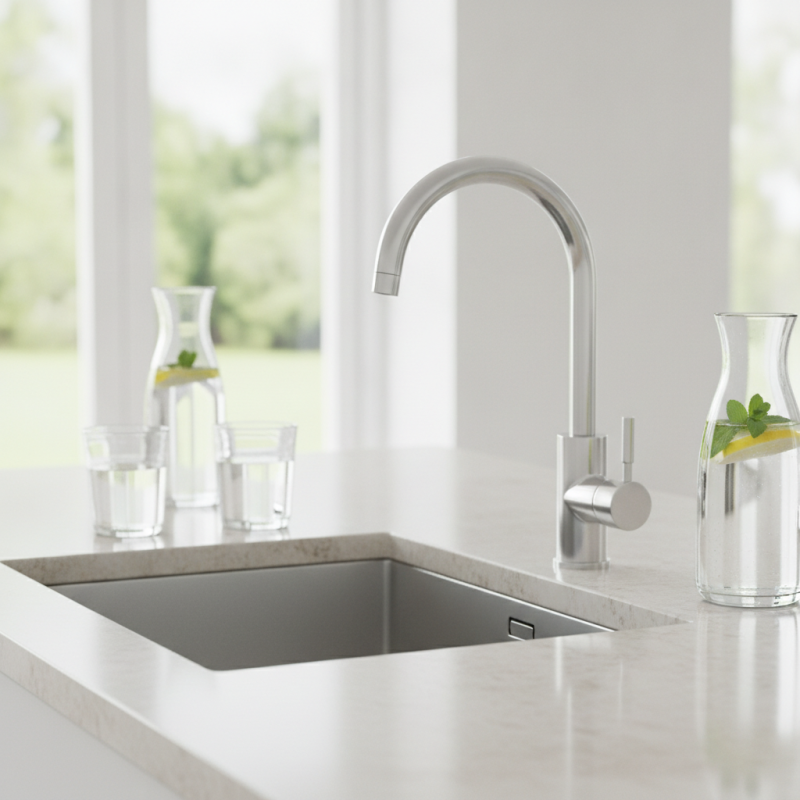
Understanding the Different Types of Water Filter Taps Available
When considering a water filter tap, it's essential to understand the various types available. One popular option is the activated carbon filter. This type removes chlorine, sediments, and some heavy metals, improving taste and odor. However, it's not effective against all contaminants, such as nitrates and fluoride. This limitation might require additional filtering solutions.
Another type is the reverse osmosis filter. This system provides thorough purification by forcing water through a semi-permeable membrane. While it effectively removes a wide range of impurities, it can also strip beneficial minerals. This trade-off may affect the overall taste of your drinking water, which is worth considering.
Ceramic filters are also available, utilizing tiny pores to eliminate bacteria and protozoa. They are long-lasting but require regular cleaning to maintain efficiency. A common issue is the buildup of sediments, which can hinder water flow. Being aware of these aspects will help in making an informed decision for your home. Each filter has its pros and cons, and understanding these nuances is crucial.
Comparison of Different Types of Water Filter Taps
Key Features to Consider When Choosing a Water Filter Tap
When selecting a water filter tap for your home, several critical features demand attention.
Filtration capability stands out as the most vital aspect. Popular filtration methods include activated carbon and reverse osmosis.
A study by the Water Quality Association reveals that activated carbon filters can remove up to 98% of chlorine and some heavy metals.
However, not all filters address the same contaminants, so understanding your local water quality is essential.
Regular testing can help identify necessary filtration.
Next, consider the flow rate of the filter tap. A high flow rate is crucial for convenient use, especially for cooking and filling pots quickly.
According to the Environmental Protection Agency, an efficient filter can deliver more than 2 gallons per minute while maintaining excellent filtration performance.
This ensures that you won’t have to wait for long periods while getting clean water.
Installation ease is another factor. Many consumers seek straightforward, tool-free installation processes.
A survey reported that nearly 70% of homeowners prefer solutions that can be set up without professional help.
This reflects a growing trend in home improvement practices. However, it’s important to balance ease with the durability and longevity of the product.
Potential users often overlook long-term maintenance needs, which could lead to dissatisfaction down the line.
Evaluating Filtration Technologies: Which Is Right for Your Needs?
When selecting a water filter tap, it's vital to assess filtration technologies. Different systems offer varied benefits. Common methods include
activated carbon, reverse osmosis, and UV purification. Each has its own strengths and weaknesses.
Activated carbon filters are popular for removing chlorine and organic compounds. Reports indicate they can reduce contaminants by up to 99%. However, these filters
may not effectively remove all heavy metals or pathogens. It's crucial to consider your water quality. Testing can reveal specific impurities. Depending on this, additional filtration may be necessary.
Reverse osmosis systems provide a more comprehensive solution. They can eliminate up to 95% of total dissolved solids (TDS). This can enhance
the taste and safety of your water. Yet, they often waste water in the process. This trade-off warrants careful consideration.
Lastly, UV purification is effective against bacteria and viruses. While it enhances safety, it does not filter out chemicals or sediments. Each technology has its place. Identifying your specific
needs is key to making an informed choice.
Installation Requirements for Water Filter Taps: A Comprehensive Guide
When considering the installation of a water filter tap, several factors come into play. The dimensions of your sink and counter space are crucial. Ensure your chosen tap fits snugly without obstructing the faucet or any other appliances. Take precise measurements before making a selection. This step, though simple, can save you from future headaches.
Next, evaluate your plumbing setup. Understand if your existing system can accommodate a filter tap. In some cases, additional fittings may be necessary. Familiarize yourself with the tools required, such as wrenches and screwdrivers. It’s not always straightforward. You might face unexpected challenges, such as stubborn old pipes or tight spaces.
Lastly, think about installation locations. While a common spot is near the existing faucet, it’s vital to assess water flow. A poorly placed tap can hinder efficiency. Reflection on these aspects will ensure that each step is well thought out. Taking the time to address these details can result in a more seamless installation experience.
Budget Considerations: Finding a Quality Water Filter Tap Within Your Range
When selecting a water filter tap, budget plays a crucial role. A clear understanding of your financial limits will guide you toward the best options available. It's essential to find a balance between quality and cost. While cheaper models may seem appealing, they often compromise performance. In the long run, spending a bit more can lead to better filtration and durability.
Tips for choosing the right filter tap:
- Look for certifications. These verify the quality and effectiveness of the filter.
- Check for reviews from other users. Their experiences can provide valuable insights into reliability and performance.
- Make sure to evaluate replacement filter costs. Sometimes, a lower-priced tap comes with expensive replacements.
Consider your household's water consumption. A filter that suits a single person may not meet a family's needs. Doing research beforehand can help avoid costly mistakes. Explore options within your budget before narrowing down your choices. Effective filtration does not have to break the bank. Aim for longevity and reliability while keeping an eye on your wallet.
FAQS
: Common types include activated carbon, reverse osmosis, and ceramic filters. Each has unique advantages and disadvantages.
It removes chlorine, sediments, and some heavy metals, improving taste and odor. However, it misses nitrates and fluoride.
It forces water through a semi-permeable membrane, removing many impurities but also beneficial minerals. This affects the water's taste.
They need regular cleaning to remove sediment buildup. Neglecting this can impact water flow and filtration efficiency.
Measure your sink space and plumbing setup. Ensure the tap fits and assess installation locations for optimal water flow.
Understand your financial limits and look for quality options. Balance cost with performance for the best investment.
Certifications verify quality and effectiveness. They ensure you’re investing in a reliable and safe filtration system for your home.
Check user reviews, replacement costs, and water consumption needs. This helps avoid costly mistakes and ensures you get the right fit.
Often, cheaper models compromise performance and durability. Spending a bit more can lead to better filtration in the long run.
You may face challenges like stubborn old pipes or tight spaces. Proper planning is essential to avoid these unexpected hurdles.
Conclusion
When choosing the best Water Filter Tap for your home, it's essential to understand the various types available, including those designed for specific filtration needs. Key features such as filter lifespan, flow rate, and ease of maintenance should be carefully evaluated to ensure that the tap meets your household requirements.
Additionally, a thorough assessment of different filtration technologies—such as activated carbon or reverse osmosis—can help determine which option is best suited for your water quality. Consideration of installation requirements is crucial, as some taps may need professional help while others can be installed easily by homeowners. Lastly, setting a budget will allow you to find a quality Water Filter Tap that fits your financial range while still providing safe and clean drinking water.

 Huazhu