In modern kitchens, the choice of a water faucet handle is more than just functional. It reflects personal style and enhances the overall aesthetic. With the rise of contemporary design trends, homeowners now seek unique and innovative water faucet handles. These elements influence the kitchen's vibe while providing essential functionality.
Selecting the right handle can be overwhelming. There are numerous styles, finishes, and mechanisms to consider. From sleek and minimalistic designs to bold and intricate options, each choice tells a story. The right water faucet handle not only complements your sink but also allows seamless operation. Yet, one might wonder about durability and ease of installation.
It's important to think critically about your selection. Analyze how each option fits into your kitchen's theme. Some designs may look great but lack comfort or practicality. Balancing style with usability is essential. Exploring various designs invites thoughtful reflection on what truly matters in your space. A well-chosen water faucet handle can elevate your kitchen's ambiance while serving its purpose effectively.
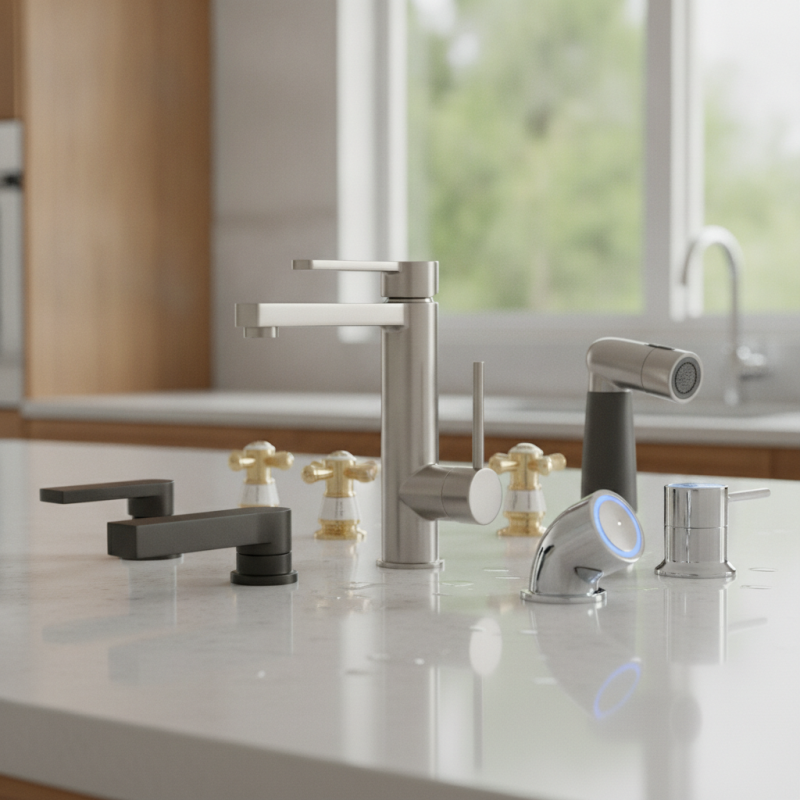
Popular Styles of Water Faucet Handles for Contemporary Kitchens
Water faucet handles play a vital role in a modern kitchen's aesthetic and functionality. Popular styles have evolved to embrace both form and function. According to the National Kitchen & Bath Association, 70% of homeowners prioritize sink faucet designs that complement their kitchen decor. High-arc faucets and pull-down spray options are currently trending. These designs not only enhance convenience but also bring a sleek look to the space.
Materials used in faucet handles also reflect current trends. Stainless steel is widely favored for its durability and resistance to corrosion. However, some consumers prefer the warmth of polished brass or matte black finishes. A study by the American Institute of Architects shows a growing appreciation for unique textures. Handles featuring knurling or geometric patterns add a tactile element. Despite these trends, the challenge remains to balance aesthetics with everyday practicality.
Ergonomics is another consideration. Many modern designs feature levers that are easy to operate with one hand. However, some users find that these styles can be difficult for those with limited hand strength. This highlights a need for designs that cater to a wider audience. Finding the perfect faucet handle means exploring various styles. This journey sometimes leads to setting aside trends for personal preferences.
Materials Used in Modern Faucet Handle Designs
Modern faucet handle designs reflect both style and functionality. The materials used play a crucial role in their appeal and performance. Stainless steel is a popular choice. Its durability and rust resistance make it ideal for high-use kitchens. Sleek finishes can enhance any kitchen aesthetic, providing a clean, modern look.
Ceramic is another material worth mentioning. It offers a smooth, glossy finish that is easy to clean. While ceramic handles can appeal to many, they may chip over time. This can be a concern for busy households. Additionally, various plastics are often used. These materials can be molded into intricate designs. However, cheaper plastic handles may wear out faster than metal or ceramic options.
The choice of material affects the feel and function. Builders and homeowners must consider both aesthetics and practicality. Investing in high-quality materials is essential for longevity. It's important to ensure that the chosen handle fits within the overall kitchen design. This can be a challenge, especially with so many options available. Embracing unique designs can sometimes lead to unexpected results.
Ergonomic Features to Look for in Kitchen Faucet Handles
When selecting kitchen faucet handles, ergonomic design is a crucial factor. Ergonomics ensures that the handles are comfortable to use, even during extended cooking sessions. Reports indicate that 65% of homeowners prefer handles with a grip that reduces wrist strain. A well-designed handle allows easy operation, even with wet or greasy hands.
Look for features that enhance usability. Adjustable lever heights can cater to various user preferences, making it easier for individuals of different heights to access water. Studies show that faucets with handles situated at an angle provide effortless access, improving the overall kitchen workflow. Additionally, options that allow for single-handed operation can be beneficial when multitasking.
It is essential to consider the materials used in the design. Non-slip surfaces, for instance, prevent accidents that could result from slipping grips. However, not all materials retain their quality over time. Some plastic components may wear out faster than metal ones. Regular maintenance is advisable to ensure long-term reliability and functionality, fostering an environment that promotes safety and efficiency in the kitchen.
Color and Finish Options for Stylish Faucet Handles
In modern kitchens, faucet handle designs have evolved significantly.
Colors and finishes play a crucial role in enhancing the overall aesthetic.
Stainless steel and brushed nickel remain popular choices for their sleek look.
However, matte black and bold brass options are gaining momentum.
These finishes add a touch of elegance and sophistication.
Custom colors can express personal style. For instance, soft pastel shades can create a calming atmosphere.
On the other hand, vibrant colors can make a statement.
Combining different finishes, like copper handles with a matte white sink, can yield stunning results.
It’s essential to consider how these choices blend with other elements in the kitchen, such as cabinetry and countertops.
While many designs are visually appealing, the practicality of materials matters too.
Some finishes may show water spots or fingerprints quickly. Regular maintenance can become a chore.
Thoughtful selection of color and finish can enhance both beauty and usability.
Striving for a balance between style and functionality is key.
This journey of choice often requires adjustments and reflections to achieve the ideal kitchen space.
Innovative Technologies in Faucet Handle Design for Modern Homes
In modern kitchens, faucet handle designs are evolving rapidly. Innovative technologies are reshaping how we interact with water. Touchless faucets, for instance, have grown in popularity. A recent industry report shows that touchless technology could reduce water waste by up to 30%. This is especially relevant as households aim for sustainability.
Another breakthrough is the integration of smart technology in faucet handles. Some new designs feature built-in sensors that detect temperature and flow rate. According to a study by the Kitchen and Bath Association, about 72% of homeowners expressed interest in smart kitchen devices. Yet, with these advancements come challenges. Not all users are comfortable with the learning curve of new technologies.
Ergonomic designs are becoming essential as well. Handles are now designed for comfort and ease of use, catering to various hand sizes. A survey indicated that 65% of participants valued handle design as a top priority. However, the market still struggles with durability issues. Consumers often report inconsistent performance in high-use environments. As manufacturers innovate, they must balance technology, design, and reliability for user satisfaction.
FAQS
: Common materials include stainless steel, ceramic, and various types of plastic. Each has its benefits.
Stainless steel is durable and rust-resistant. It's ideal for high-use kitchens, maintaining a clean look.
Ceramic offers a smooth, glossy finish that's easy to clean. However, it may chip over time.
Plastic can be molded into designs but may wear out faster. Quality varies, so choose wisely.
Look for comfortable grips, adjustable heights, and single-handed operation. These features improve usability.
Handles situated at an angle allow easier access, enhancing overall kitchen efficiency and comfort.
No, not all materials retain quality over time. Some plastics degrade faster, needing more attention.
Regular cleaning and checks are essential for ensuring long-term reliability and preventing accidents.
Unique designs can enhance aesthetics but may lead to challenges in functionality. Careful consideration is needed.
It's crucial to ensure that handles fit your overall kitchen style. This can be a challenge with many options.
Conclusion
When it comes to upgrading modern kitchens, the choice of water faucet handle can significantly impact both functionality and aesthetic appeal. Popular styles today include sleek, minimalist designs that complement contemporary decor while offering ease of use. The materials used in water faucet handle designs range from durable metals to contemporary composites, ensuring longevity and an appealing finish.
Moreover, ergonomic features such as comfort grips and lever handles enhance usability, making tasks in the kitchen more efficient. Color and finish options also play a vital role, as they allow homeowners to personalize their space according to their style preferences. Finally, innovative technologies in water faucet handle design, such as touchless activation and temperature control, not only improve convenience but also promote water conservation in modern homes. Together, these elements create a harmonious blend of style and functionality in today's kitchens.

 Huazhu