When it comes to creating a comfortable and stylish bathroom, the choice of a Shower Water Handle is crucial. This often-overlooked fixture plays a key role in both function and aesthetics. A well-designed handle enhances the shower experience, allowing for smooth adjustments to water flow and temperature.
There are many types of Shower Water Handles available, each offering different styles and functionalities. From sleek modern designs to classic vintage options, the choices seem endless. However, navigating these options can be overwhelming. Some handles may be appealing but lack practicality. Others might function well but may not fit your decor.
Understanding the various styles and materials available can lead to better decisions. A durable handle ensures longevity, while an appealing design elevates your bathroom's look. Balancing comfort, style, and functionality is essential. The right Shower Water Handle can transform an ordinary shower into a personalized retreat.
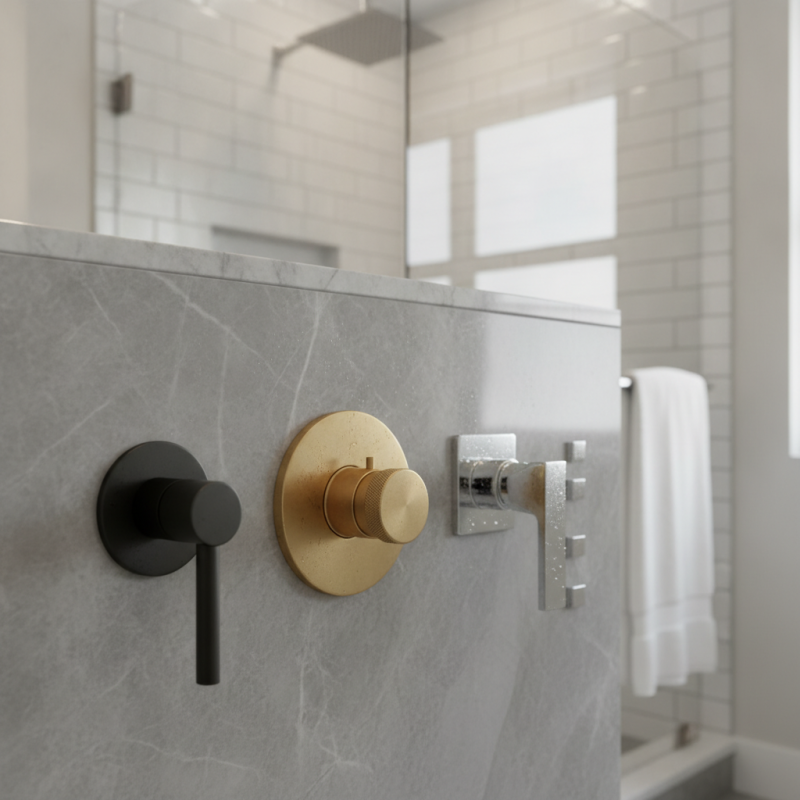
Types of Shower Water Handles: An Overview of Popular Styles
When choosing shower water handles, many people prioritize both aesthetics and functionality. A recent survey by the National Kitchen and Bath Association indicated that over 40% of homeowners consider design a top priority in bathroom fixtures. Common styles include single-handle faucets, which offer simplicity and ease of use. Their streamlined design often suits modern bathrooms well.
Dual-handle designs remain popular for those who enjoy a classic touch. They provide precise temperature control, which can enhance comfort. This is especially relevant for families, where safety is paramount. Notably, vintage-style handles are gaining traction as people seek character in bathroom spaces. According to industry reports, there has been a 25% increase in the demand for retro designs. However, some may find that these styles can require more maintenance.
People often overlook the importance of material in their choice. Chrome and stainless steel finishes are standard due to their durability and resistance to tarnishing. Still, natural materials like brass are praised for their unique appearances. Choosing the right material can greatly affect the long-term look and durability of shower handles. Sometimes, preferences may clash with practicality, leading to potential compromises.
Top Shower Water Handle Types for Ultimate Comfort and Style
Ergonomics in Shower Handle Design: Enhancing User Comfort
Choosing the right shower handle can greatly enhance your bathing experience. Ergonomics in shower handle design is key to user comfort. A well-designed handle allows for easy grip and control, making your shower routine more enjoyable. The shape and size of the handle should fit the user’s hand comfortably, reducing the risk of slips.
When selecting shower handles, consider materials that provide a warm touch. Metals can feel cold, especially in winter. A rubberized grip offers warmth and prevents slipping, even with wet hands.
Tips: Test each handle to find one that suits your grip style. Remember, comfort is subjective. What feels perfect for one person might not work for another. It's important to experiment with different designs before making a decision. Ergonomic designs may come with added costs, but the benefits often outweigh them. Look for features like lever action or simple push buttons, which require less effort to operate.
Top Shower Water Handle Types for Ultimate Comfort and Style
| Handle Type |
Material |
Ergonomics Rating |
Aesthetic Appeal |
Average Cost ($) |
| Lever Handle |
Brass |
8/10 |
Modern |
50 |
| Single Function Handle |
Stainless Steel |
9/10 |
Sleek |
60 |
| Ceramic Disc Handle |
Ceramic |
7/10 |
Contemporary |
45 |
| Thermostatic Handle |
Plastic |
10/10 |
Futuristic |
80 |
| Cross Handle |
Bronze |
6/10 |
Rustic |
40 |
Material Choices for Shower Handles: Durability and Aesthetics
When choosing shower handles, material plays a crucial role in both durability and aesthetics.
Stainless steel is popular due to its resistance to corrosion and ease of maintenance. It offers a sleek, modern look that fits well in various bathroom designs. However, it can feel cold to the touch, which might not suit everyone’s preference.
Bronze and brass handles bring a warm, classic appeal to your space.
These materials develop a unique patina over time, adding character. Yet, they require regular upkeep to maintain their shine.
Users should be willing to invest the time for cleaning and polishing. Otherwise, the beauty can fade quickly.
When selecting materials, consider the climate of your area. Humid environments may affect certain finishes more than others.
Pay attention to how materials interact with hard water. This can impact the longevity of your handles.
Regular maintenance is essential too. Remember, there’s no perfect choice; every material has pros and cons.
Choosing what feels right for you is key.
The Role of Temperature Control in Shower Handle Functionality
When it comes to shower handles, temperature control is crucial for comfort. Adjustable temperature controls enhance the bathing experience. With precise settings, users can avoid abrupt changes that may lead to discomfort or burns. A well-designed handle allows for smooth operation. Calibrating the temperature accurately makes showers more enjoyable and reduces stress.
The type of handle directly affects your ability to maintain the desired water temperature. Single-handle faucets blend hot and cold water seamlessly. Dual-handle designs offer more control over each temperature. Users often overlook the importance of grip. A handle that's slippery can lead to mishaps. This is where ergonomic design becomes vital.
Temperature control isn't just about comfort; it also ensures safety. Users may unintentionally set the water too hot. Without proper control, this could lead to serious injuries. Inconsistent water temperatures can also waste water. The right handle can mitigate these issues. Thoughtful design paired with user feedback is essential for improvement. This reflection on shower handle functionality highlights the need for innovation in safe, comfortable bathing experiences.
Industry Trends: Smart Shower Handles and Their Impact on Comfort
Smart shower handles are becoming a game changer in bathroom design. They integrate technology for enhanced comfort and convenience. These handles often feature touchless controls and intuitive interfaces. You can easily adjust water temperature and flow with just a swipe. Imagine stepping into a shower that scales the temperature to your preference instantly.
Users appreciate the precision offered by smart designs. Yet, not everyone finds them user-friendly. Some struggle with settings that feel overly complicated. This raises questions about accessibility. Can everyone in a household use these advanced features effectively?
As trends evolve, the merging of style and technology is essential. Sleek designs complement modern bathrooms while offering a luxurious feel. However, some may miss the simple, tactile experience of traditional handles. This blend of old and new is important for comfort. Finding the right balance will define the future of shower handles.
FAQS
: Common styles include single-handle faucets for modern aesthetics and dual-handle designs for precise temperature control.
Ergonomics enhances user comfort, allowing for easy grip and reducing slip risks during use.
Standard materials include chrome and stainless steel for durability, while brass offers a unique appearance.
Test various handles. Comfort is subjective, and what feels good for one may not work for another.
Look for lever action or push buttons, which require less effort and enhance ease of use.
Smart shower handles feature touchless controls for convenience but may confuse some users with complex settings.
The right material greatly impacts durability and appearance; some choices may require more maintenance than others.
Yes, there's a rising demand for retro designs as people seek character in their bathroom spaces.
Complexity in usage can limit accessibility; not every household member may find them easy to operate.
Choosing between aesthetic appeal and functionality can lead to compromises; finding the right blend is key.
Conclusion
The article "Top Shower Water Handle Types for Ultimate Comfort and Style" explores various aspects of shower water handles, emphasizing their importance in both aesthetic appeal and user experience. It begins with an overview of popular styles of shower water handles, showcasing how design choices can reflect personal taste while serving practical needs. The discussion on ergonomics highlights the significance of comfort in handle design, ensuring that users can enjoy a pleasant shower experience without straining their hands or wrists.
Material choices are also examined, focusing on the balance between durability and visual appeal, while the role of temperature control is crucial for functionality, allowing users to easily adjust water temperatures for ultimate comfort. Additionally, the article addresses emerging trends in the industry, such as smart shower handles, which enhance the user experience by integrating technology for improved convenience and personalization. Overall, shower water handles play a vital role in transforming everyday routines into enjoyable and stylish experiences.

 Huazhu