In recent years, the adoption of Touchless Water Faucets has surged, driven by the demand for better hygiene in public and private spaces. According to a report by Research and Markets, the global touchless faucet market is projected to reach over $5 billion by 2025, demonstrating a compound annual growth rate (CAGR) of 10.1%. This trend reflects a growing awareness of the importance of reducing the spread of germs, especially in high-traffic areas like restrooms and kitchens.
Touchless faucets operate with infrared sensors that detect hand movement. When users bring their hands near the faucet, it activates the flow of water automatically. This hands-free feature not only improves sanitation but also conserves water, aligning with sustainability efforts. However, there are challenges. Some users report frustration with the sensitivity of the sensors and occasional malfunction due to environmental factors. These issues can lead to wasted water or failed activation, highlighting the need for ongoing improvements in technology.
As we explore the workings and benefits of Touchless Water Faucets, it is essential to consider both their advantages and limitations. Understanding these factors can help consumers make informed choices about installation in their homes or businesses.
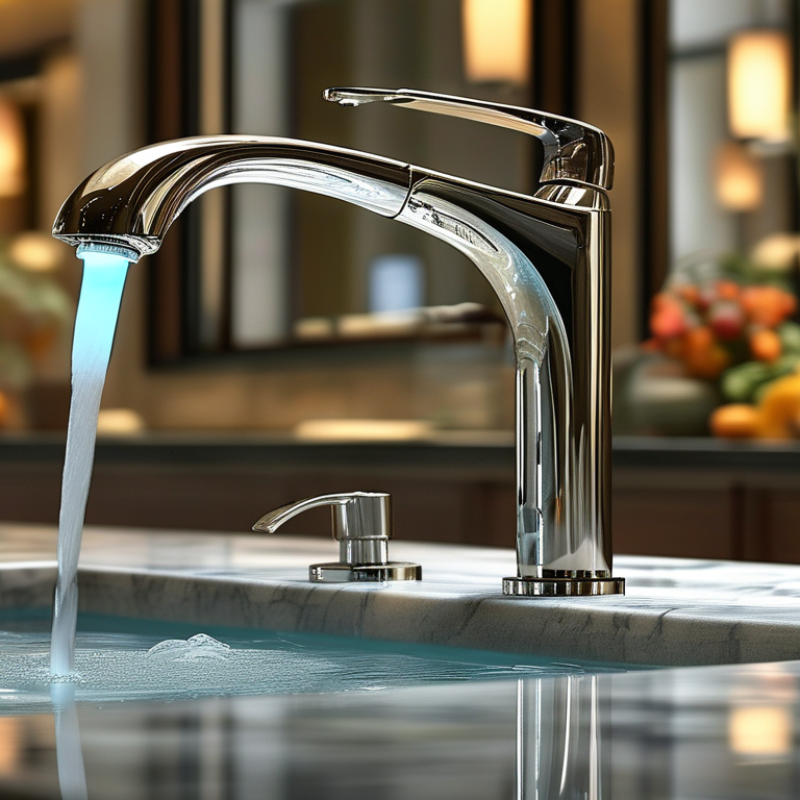
Touchless water faucets are innovative devices designed to enhance convenience and hygiene in everyday tasks. These faucets operate through advanced sensor technology that detects motion. When you place your hands near the faucet, it automatically dispenses water without any physical contact. This feature is particularly useful in kitchens and bathrooms, where reducing germs is paramount.
The core mechanism relies on infrared sensors. These sensors pick up heat emitted by the human body. It is fascinating how such technology minimizes water waste, as the water only flows when needed. However, some users might find the sensor sensitivity a bit off, causing it to activate unexpectedly. This can lead to frustration and a splash of water where it isn't wanted.
Moreover, touchless faucets can sometimes be installed incorrectly, affecting their efficiency. Understanding the technology behind them is crucial. While they promise a modern solution to outdated tap designs, some challenges persist. Addressing these can lead to a more seamless experience. Ultimately, the benefits they offer in terms of cleanliness and convenience are significant, yet users must navigate a few quirks along the way.
Touchless water faucets are innovative fixtures that enhance hygiene and convenience in various environments. These faucets use motion sensors to detect the presence of hands, allowing water to flow without physical contact. This technology is especially valuable in public restrooms and hospitals, reducing the spread of germs and promoting cleanliness.
The core of touchless faucet technology lies in infrared sensors or capacitive sensors. Infrared sensors detect heat emitted from the human body. When hands approach, the sensor activates a valve, releasing water. Capacitive sensors, on the other hand, measure changes in electrical charge when hands are near. Both systems require reliable power sources, which can be batteries or hardwired electricity.
Tips: Regular maintenance is essential for optimal performance. Clean the sensors periodically to prevent dirt buildup, which can lead to malfunctions. Additionally, understanding the sensor's range can reduce accidental activation, especially in busy settings. Always check for any leaks and ensure proper water pressure to enhance the faucet's lifespan. An improperly installed faucet may result in inconsistent water flow.
Touchless water faucets are becoming increasingly popular in both residential and commercial settings. These faucets use motion-sensing technology to detect user presence. This innovative mechanism allows for hands-free operation, promoting convenience and hygiene. According to a report by the International Journal of Environmental Research and Public Health, touchless faucets can reduce the spread of germs by up to 80%.
The primary method of detection involves infrared sensors. These sensors emit infrared light that reflects off nearby objects. When a hand or object enters the sensor's range, the reflected light triggers the water flow. While this technology is efficient, it may sometimes malfunction. Factors like lighting conditions and sensor placement can affect performance. Proper installation is crucial for optimal functionality.
Tips: Ensure the sensor's field of view is unobstructed. Regular maintenance can help to improve reliability. When purchasing a touchless faucet, consider features like sensitivity settings. Users often overlook these aspects, leading to frustration. Understanding the technology can aid in making informed choices. Taking time to learn the system can enhance user experience significantly.
Touchless water faucets are rapidly gaining popularity, especially in public spaces and healthcare facilities. According to a report from the American Society for Healthcare Engineering, touchless faucets can reduce the spread of germs by up to 85%. This is crucial in environments like hospitals, where infection control is vital. The sensor technology allows users to activate the water flow without direct contact, significantly lowering the chances of cross-contamination.
In addition to improved hygiene, these faucets offer convenience. Users can wash their hands without manually turning knobs. A 2020 study indicated that 70% of users found touchless faucets more user-friendly than traditional ones. This efficiency encourages better handwashing practices, which can help reduce the prevalence of illnesses. The smooth operation and instantaneous activation cater to both children and adults, enhancing the overall experience.
Despite these advantages, some challenges remain. Installation can be more complex than traditional faucets, requiring professional assistance. Additionally, the reliance on batteries or electrical systems can lead to maintenance issues. Addressing these points can ensure that touchless faucets fulfill their potential in promoting health and convenience.
Installing a touchless water faucet can seem daunting for some homeowners. However, the process can be straightforward with the right preparation. Before starting, gather tools such as a wrench, screwdriver, and plumber’s tape. Ensure the water supply is turned off. Remove the old faucet carefully, paying close attention to pipe connections. Next, position the new touchless faucet as per the manufacturer's instructions. Secure it firmly to avoid leaks.
After installation, maintenance becomes crucial for ensuring the faucet’s longevity. Regularly check for mineral buildup, especially in high-hardness water areas. Cleaning the sensor area is essential, as dirt can interfere with its function. Sometimes, the motion sensors may need recalibration, especially after cleaning. It’s essential to follow the guidelines provided in the user manual. Adverse conditions, such as humidity or extreme temperatures, might also impact the faucet’s performance, requiring additional care. Proper installation and diligent maintenance can lead to a satisfying touchless experience.
: A touchless water faucet uses sensors to detect motion, dispensing water without contact. It's convenient and hygienic.
They utilize infrared or capacitive sensors to activate water flow when hands are near.
They reduce germ spread and promote cleanliness, especially in public places. They also minimize water waste.
Regular maintenance is key. Clean the sensors and check for leaks often.
Basic tools include a wrench, screwdriver, and plumber's tape. Ensure water supply is off before starting.
Yes, some faucets may activate unexpectedly due to sensitivity issues, which can be frustrating.
Humidity, temperature, and mineral buildup can affect performance. Regular checks are important.
It's advisable to clean the sensor area regularly, especially in areas with hard water.
They can be straightforward with proper preparation and following instructions.
Incorrect installation can lead to leaks and inconsistent water flow. Pay attention to connections.
A Touchless Water Faucet is an innovative fixture designed to promote hygiene and convenience in various settings, such as homes and public restrooms. Utilizing infrared sensors or other detection technologies, these faucets automatically dispense water when they sense the presence of a user's hands. This hands-free operation minimizes the spread of germs and reduces water waste.
The technology behind Touchless Water Faucets primarily relies on motion sensors that detect the approach of a user, ensuring a seamless flow of water without the need for physical contact. The benefits of using these faucets include improved sanitation, water conservation, and ease of use, particularly for individuals with mobility challenges. Proper installation and regular maintenance are essential to ensure the functionality and longevity of Touchless Water Faucets, making them a practical addition to modern bathroom and kitchen designs.
