Why Are Black Faucet Handles So Popular?

Time:2026-10-29 Author:Oliver
0%

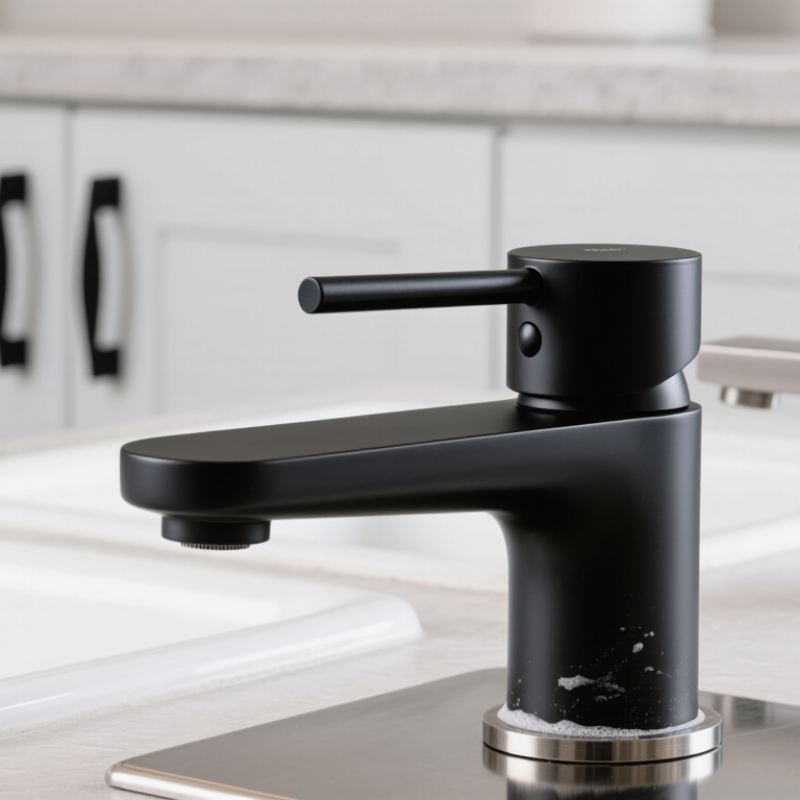
Black Faucet Handles have moved from design-showroom detail to a familiar choice in kitchens and bathrooms. Their appeal is easy to see: a matte black lever stands out against white porcelain, pale stone, or brushed metal. The contrast feels crisp without requiring a full renovation. Small detail. Big effect.

They also suit several styles, from modern farmhouse to simple contemporary spaces. Yet popularity is not the same as practicality. Water spots, soap residue, and fingerprints may show differently across finishes, and quality varies by manufacturer. A striking handle still needs a reliable valve, comfortable grip, and finish suited to daily use. That part gets less attention than it deserves.

For transparency, the following is an illustrative quote from fictional faucet-finishes specialist Adrian Cole, not a verified statement from a real expert: “Black hardware works best when it connects with the room, not when it stands alone.” That idea offers a useful lens for exploring why Black Faucet Handles remain popular, how they compare with other finishes, and what buyers should check before choosing them. A black handle beside matching cabinet pulls can feel intentional; one isolated fixture may look accidental. There are exceptions, of course. Design choices are rarely that tidy.
Why Are Black Faucet Handles So Popular?

What Black Faucet Handles Are and How Matte Finishes Create Visual Contrast

Black faucet handles are the parts you grip to control water flow and temperature, finished in a dark color. They may be made from metal or another durable material, with a coating that gives the surface its black appearance. The finish can be smooth or textured. Matte is especially common in contemporary kitchens and bathrooms.

A matte finish scatters light rather than reflecting it like polished chrome. That makes the handle look softer and helps it stand out against pale tile, a white sink, or a brushed-metal faucet body. The contrast is visual, but it also helps define the handle’s shape. On a busy countertop, that clear outline can make the control easier to spot. A small detail.

Matte surfaces can show water spots, dust, or oily fingerprints, especially in strong side lighting. In my experience, a quick wipe with a soft, damp cloth often keeps the finish looking even; abrasive pads may dull it. The effect also depends on the room. Against dark cabinetry, black handles can nearly disappear, which may look intentional but feel less practical. I still find the contrast appealing, though it is not automatically the right choice for every sink.

Why Black Hardware Fits Diverse Bathroom and Kitchen Design Styles

Black faucet handles are popular because they create a clear visual anchor without demanding a bold color scheme. Against white tile, they add crisp contrast; beside warm wood, they feel grounded. In a traditional bathroom, simple black handles can sharpen familiar details like marble and framed mirrors. In a modern kitchen, they pair naturally with flat-front cabinets and pale stone. That contrast matters.

Black hardware also works with mixed materials. It can connect dark window frames, cabinet pulls, and light fixtures, making a room feel considered rather than overly matched. Matte finishes tend to look softer, while satin or glossy finishes catch more light. The difference is noticeable up close. Still, black is not automatically the right choice: hard-water deposits may show on some finishes, and a poorly matched black can look harsh beside warm metals. Check samples in your actual lighting before choosing.

Tips: Compare the handle with nearby finishes in morning and evening light. Check how it feels with wet hands, and follow the care guidance for its finish. Keep one sample on the counter for a few days. You may change your mind. That is useful.

How Handle Configurations Affect Everyday Faucet Use

Black faucet handles stand out against pale stone, white tile, or a stainless-steel sink. Their dark finish can make a fixture feel deliberate, not merely decorative. But the handle layout affects daily use more than color does. A striking faucet can still feel awkward when your hands are wet.

A single-lever handle adjusts water flow and temperature in one motion. That is handy when you are holding a pan or rinsing a cup with one hand. The trade-off is that small temperature changes may take a little practice. Two separate handles offer more direct control over hot and cold water, though adjusting both can feel slower during a quick rinse. Spacing matters, too. Handles set too close to a backsplash or sink edge may be harder to turn.

Knob handles suit a compact, classic look, but can be slippery with soapy fingers. Lever handles usually need less gripping strength and are easier to move with a wrist or elbow. Small detail. The finish also shows practical wear: water spots and fingerprints may stand out, especially on matte black surfaces. That can mean more wiping than expected. It is worth checking how a handle feels in your hand, not just how it looks in a showroom. I’d reconsider my choice if the motion felt stiff, even on a beautiful faucet.

Why Are Black Faucet Handles So Popular?

How Handle Configurations Affect Everyday Faucet Use

A single-handle faucet uses one handle to adjust both flow and temperature, while a dual-handle faucet uses separate handles. These configuration counts describe how the faucets work; they are not consumer-preference or popularity statistics. Black is a finish choice and does not change the handle configuration.

What to Check for Finish Durability: Manufacturer Care and Warranty Data

Black faucet handles create a crisp contrast against pale stone, but their popularity makes finish quality worth checking. Houzz’s 2024 U.S. Bathroom Trends Study tracks finishes selected by renovating homeowners and lists matte black among established faucet choices. The report shows design preference, not how well a coating resists scratches or cleaning chemicals. A dark finish can look striking under store lighting, then reveal water spots beside a busy sink.

Read the manufacturer’s care instructions and finish warranty before buying. Check whether the warranty covers peeling, flaking, corrosion, or color change, and note exclusions for abrasive cleaners or hard-water deposits. “Limited lifetime” may apply only to certain defects or the original purchaser. Ask what cleaning products are approved. Keep the answer in writing.

Look for actual coating-test information, not just words like “durable.” ASTM D3359 rates coating adhesion from 0B to 5B; 5B indicates no coating removal in the specified cross-cut test. ASTM B117 provides a controlled salt-spray exposure method, but neither test alone predicts years of bathroom use. I would not treat a showroom sample as proof. Ask for the test method, result, and care guidance, then compare those details with the warranty’s exclusions.

How Performance Stays Independent of Color: WaterSense Faucets Use Up to 1.5 gpm

Black faucet handles are popular because they create a crisp contrast against pale sinks, stone, and tile. Their dark finish can make a small fixture feel intentional, not merely practical. Yet color is a visual choice, not a measure of water performance. A black handle does not automatically save water. Nor does a bright chrome one waste it.

WaterSense-labeled bathroom faucets use no more than 1.5 gallons per minute under specified test conditions. That limit can reduce water use while maintaining useful flow for everyday tasks. The key parts are inside: an aerator shapes the stream, and flow controls limit volume. Finish does not change those parts. Check the WaterSense label or product documentation rather than judging by appearance. Simple enough.

At home, a steady stream can rinse soap from your hands without splashing across the counter. Actual flow may still feel different from one sink to another, since water pressure and a clogged aerator matter. I sometimes forget that last detail when a faucet seems weak. Cleaning the aerator may help, but it is worth checking the faucet instructions first. A matte-black finish may need gentle care, too; abrasive pads can leave marks that catch the light. Choose the look you like, then compare the water-use rating and care requirements.

Why Are Black Faucet Handles So Popular? — How Performance Stays Independent of Color: WaterSense Faucets Use Up to 1.5 gpm
Dimension Data or requirement What it means
WaterSense bathroom-sink faucet flow limit Maximum 1.5 gallons per minute (gpm) at 60 psi This EPA WaterSense specification applies to qualifying bathroom sink faucets, not automatically to every black faucet or kitchen faucet.
Minimum flow for WaterSense-labeled bathroom faucets At least 1.0 gpm at 20 psi The specification sets a lower-pressure performance requirement as well as a maximum flow limit.
Common federal maximum for bathroom sink faucets 2.2 gpm at 60 psi Compared with this maximum, a 1.5 gpm faucet can use up to 0.7 fewer gallons per minute while running at the respective rated flow limits.
Illustrative water difference 0.7 gallons per minute, or 7 gallons over 10 minutes of use A calculated comparison of 2.2 and 1.5 gpm; actual use depends on the faucet, water pressure, and time the tap is open.
Effect of handle color on flow Color alone does not determine flow rate Flow is governed by the faucet’s flow-control components and operating conditions, not whether the handle is black, chrome, or another finish.
What to check when buying WaterSense label, rated flow, faucet type, and installation requirements A black finish is a design choice; verify the product’s own specifications to confirm its efficiency and compatibility.
Why black handles appeal to some buyers A high-contrast, contemporary look that can coordinate with other dark fixtures This is a design preference, not a measured performance benefit; popularity varies by household and design trend.

Note: WaterSense flow criteria shown here are for bathroom sink faucets. They should not be assumed to apply to every faucet category.

FAQS

Why do black faucet handles suit different room styles?

They create crisp contrast against white tile and pale stone. Beside warm wood, they can feel grounded.

Do black handles work with mixed finishes?

They can connect dark window frames, cabinet pulls, and light fixtures. Still, matching every finish too closely may feel forced.

Should I choose matte, satin, or glossy black?

Matte looks softer, while satin and glossy finishes reflect more light. Compare samples near your sink.

How can I tell if a black finish will last?

Read the care instructions and warranty. Check coverage for peeling, flaking, corrosion, or color changes.

Does a “lifetime” finish warranty cover everything?

Not necessarily. It may cover only certain defects or the original purchaser, so review exclusions carefully.

Will a black finish save water?

No. Color does not determine water use; check product documentation for the faucet’s flow rating.

What can make a faucet’s stream feel weak?

Water pressure or a clogged aerator may affect flow. Check the instructions before cleaning it.

How should I test a handle before choosing it?

Compare it with nearby finishes in morning and evening light. Try it with wet hands, too. I might forget that detail otherwise.

Conclusion

Black Faucet Handles are popular because their matte surfaces create a striking contrast against bright sinks, tile, and countertops while adding a clean, contemporary accent. Their simple, dark finish can also complement many design styles, from modern and industrial spaces to traditional or farmhouse-inspired rooms. Whether used in a bathroom or kitchen, black hardware can help tie together other fixtures and accessories without dominating the overall design.

A faucet’s handle configuration affects daily comfort and control: single handles allow quick adjustment with one hand, while separate handles offer distinct controls for hot and cold water. Before choosing a finish, check the manufacturer’s care instructions and warranty information to understand how to clean it and what durability support is provided. Color itself does not determine water use or performance. For greater efficiency, look for a WaterSense-labeled faucet; qualifying models use no more than 1.5 gallons per minute while maintaining practical everyday performance.

Oliver

Oliver

Oliver is a seasoned marketing professional with a wealth of expertise in driving brand awareness and engagement. With a deep understanding of our company's product offerings, he consistently delivers high-quality content that enriches our professional blog. His insights not only shed light on......