Precision-engineered bathroom fittings, connection hardware, and custom components designed for heavy-duty commercial and residential architectural designs.
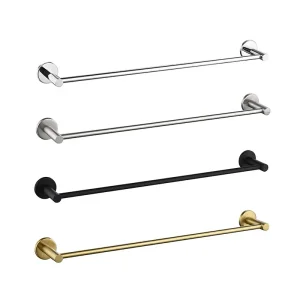
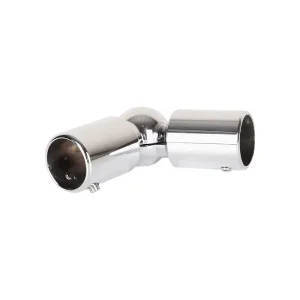
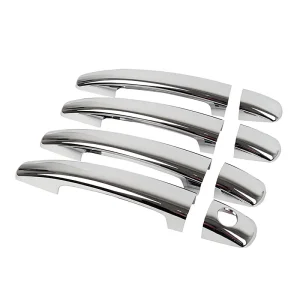
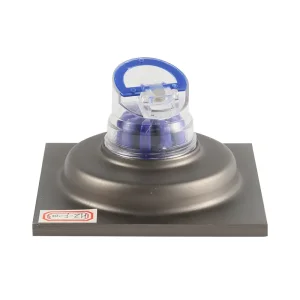
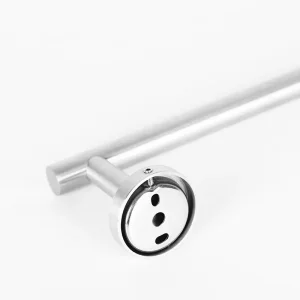
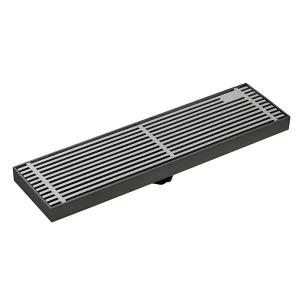
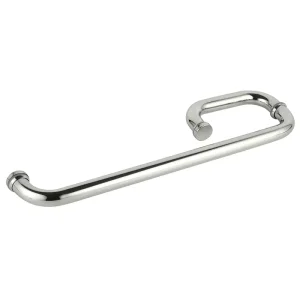
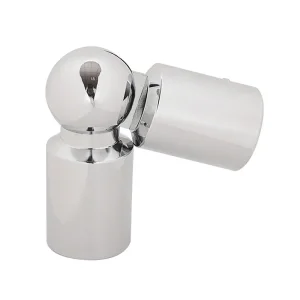
In modern architectural design, the global demand for minimalist structural aesthetics has propelled frameless glass structures into high-end retail malls, premium offices, residential balconies, and coastal developments. Consequently, the reliance on high-performance custom glass clamps has expanded exponentially. No longer treated as simple utility brackets, glass clamps are now structural engineering elements subject to rigorous wind loads, mechanical stress parameters, and strict safety guidelines.
Historically, heavy framed window systems dominated construction. Today's global architecture relies heavily on high-tensile glass railings and balustrades. This shift creates a crucial challenge for designers and engineering teams: secure structural glass without introducing pressure points that cause stress fractures. Global procurement managers now require manufacturers capable of meeting custom mechanical loads, specific material standards, and dynamic surface treatments that withstand environmental factors like extreme temperatures and coastal salt-water corrosion.
Geographically, North American and European markets present strict structural engineering compliance pathways. Hardware suppliers must deliver product traceability along with mechanical certification metrics. In contrast, emerging commercial zones in Southeast Asia and the Middle East prioritize rapid custom production cycles and high volume capacities. Finding a balanced production partner capable of fulfilling technical specifications while optimizing production economics is key to maintaining a competitive edge.
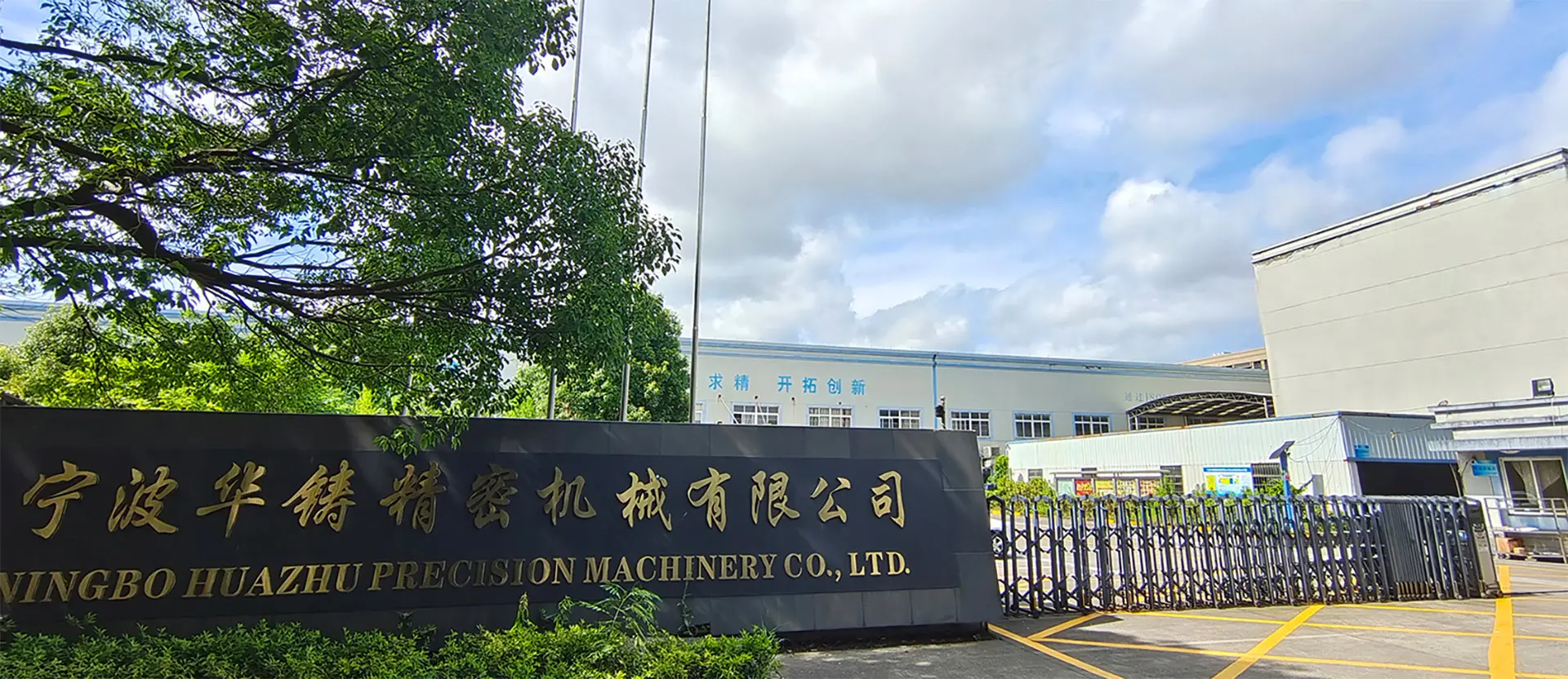
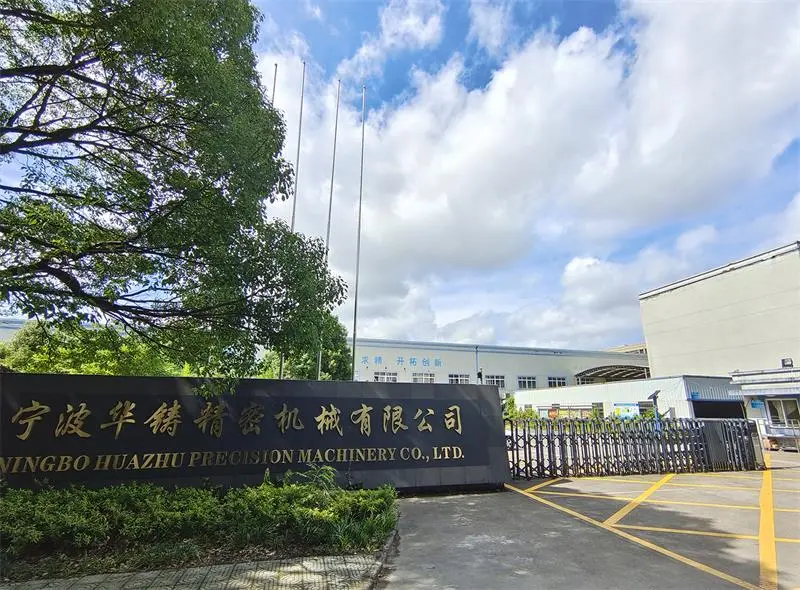
Established in 2007, Ningbo Huazhu Precision Machinery Co., Ltd. (formerly Tiezhu Hardware Factory, rebranded in 2015) has grown into a comprehensive manufacturing leader integrating research and development, design, and vertical custom production. We specialize in producing premium bathroom fittings, shower room hardware accessories, glass connectors, and complex window/door parts.
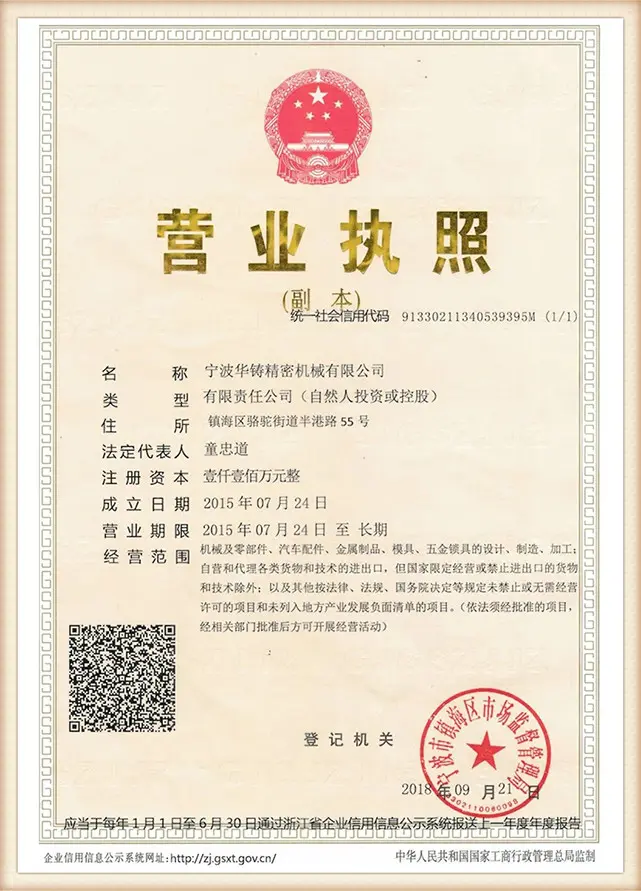
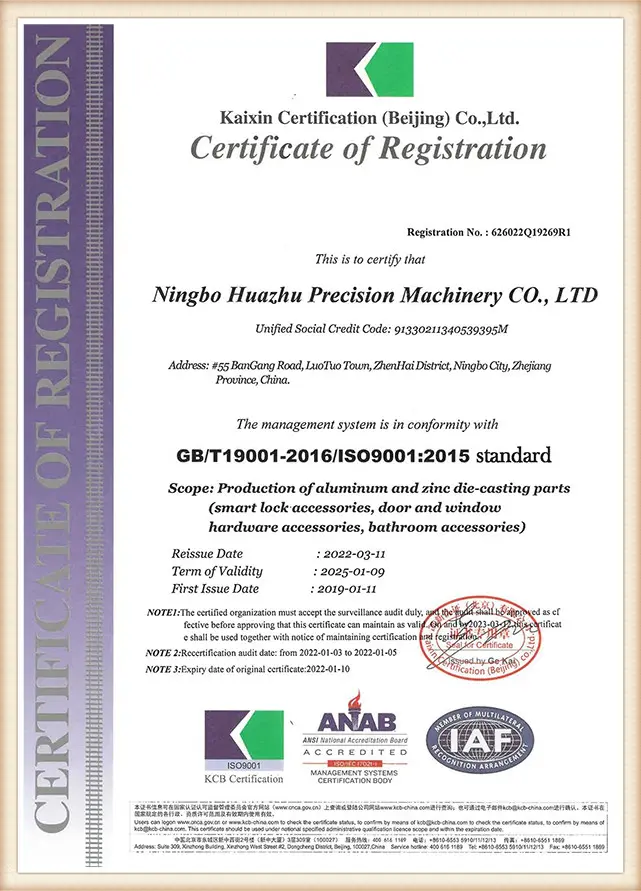
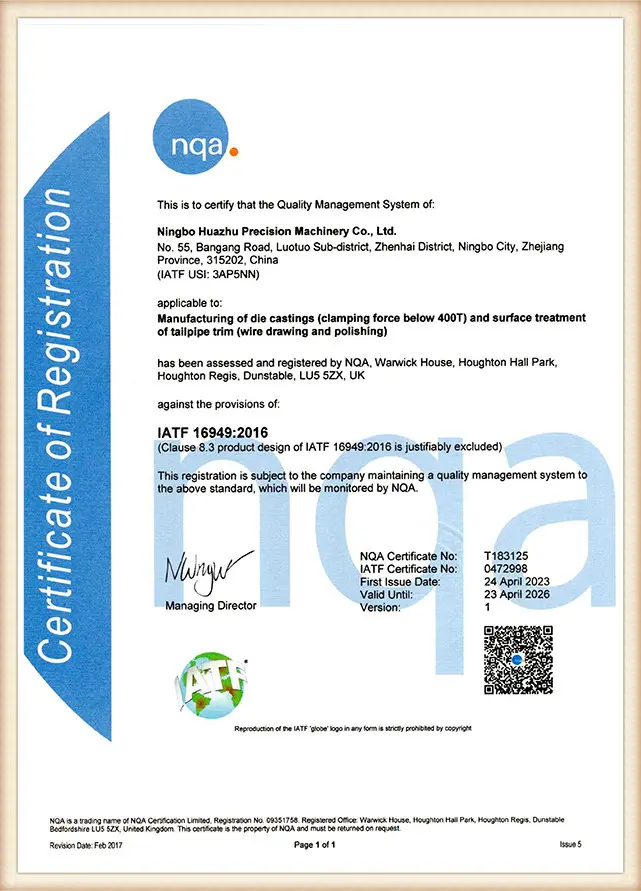
Our operation covers a massive 20,000 square meter factory space, housing a dedicated team of over 200 skilled engineers and fabrication specialists. Over 18 years of development, we have secured international certifications including ISO 9001 and IATF 16949, qualifying us to provide OEM/ODM hardware parts to prestigious brands globally.
By controlling the entire production line internally—from mold design to final polishing and electroplating—we maintain complete control over precision, timing, and structural integrity. This guarantees that every custom glass clamp leaving our facility meets our strict quality standards.
Selecting the correct material grade is critical when engineering glass clamps. Each material exhibits distinct load capacities, corrosion thresholds, and design flexibilities. Our facility processes several alloy structures depending on deployment challenges:
| Material Category | Common Alloy Grade | Corrosion Resistance | Tensile Strength | Best Application Scenario |
|---|---|---|---|---|
| Stainless Steel | AISI 316 / 316L | Excellent (Marine Grade) | 515 - 620 MPa | Coastal balustrades, outdoor pools, and heavy-duty structural facades. |
| Stainless Steel | AISI 304 | High (Standard) | 505 MPa | Indoor partition glass, dry commercial offices, residential handrails. |
| Zinc Alloy | Zamak 3 / Zamak 5 | Moderate (Requires Plating) | 280 - 330 MPa | Highly complex aesthetic bathroom hardware, shower door hinges, OEM handles. |
| Aluminum Alloy | 6063-T6 / ADC12 | High (Anodized) | 230 MPa | Lightweight frames, internal modular partitioning, anodized profiles. |
While Stainless Steel 316 offers superior protection in highly corrosive marine settings, Zinc Alloy (Zamak) excels in design flexibility for complex, high-precision geometric configurations. Using hot/cold chamber die-casting, zinc alloys can be molded into intricate shapes with exceptionally thin walls, reducing overall material weight without compromising tensile stability. To prevent corrosion in zinc components, our advanced electroplating and spray-coating lines apply protective layers that reliably withstand salt spray testing from 240H up to 480H.
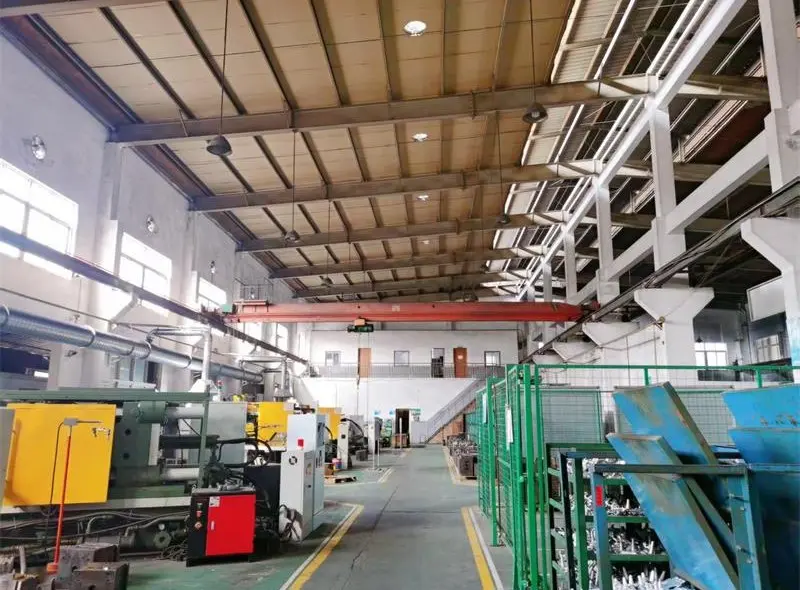
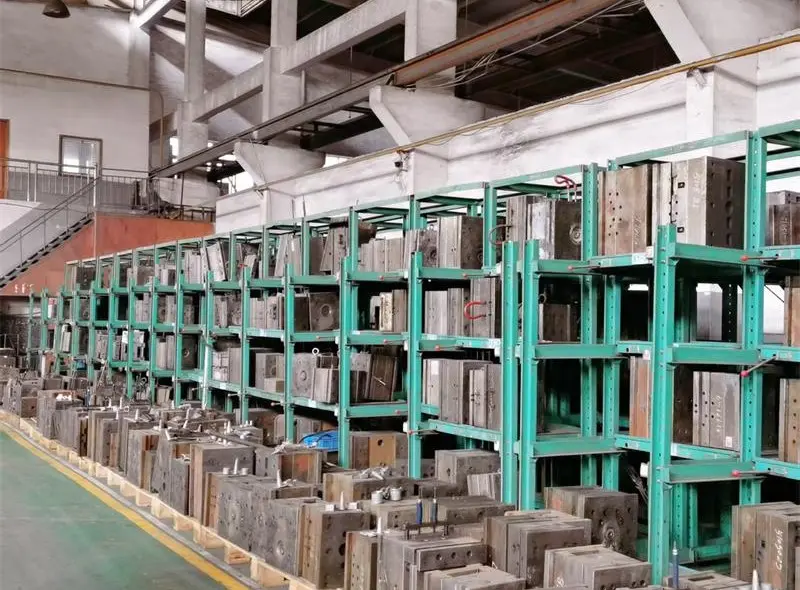
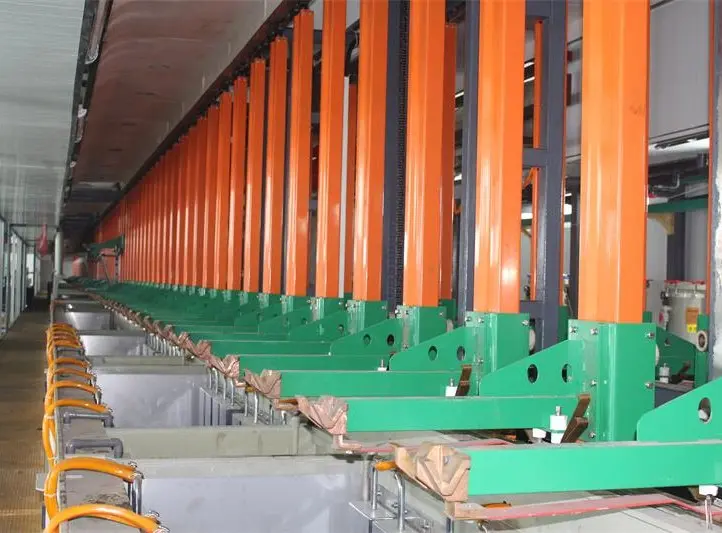
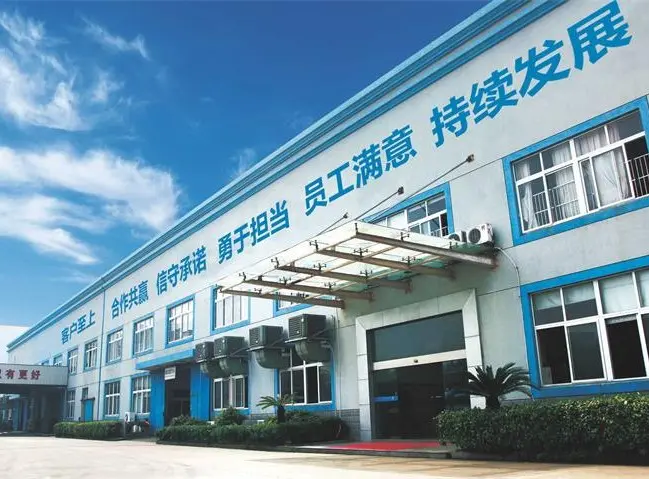
A visual overview of our integrated tooling, casting, machining, and surface treatment capabilities in Ningbo, Zhejiang, China.
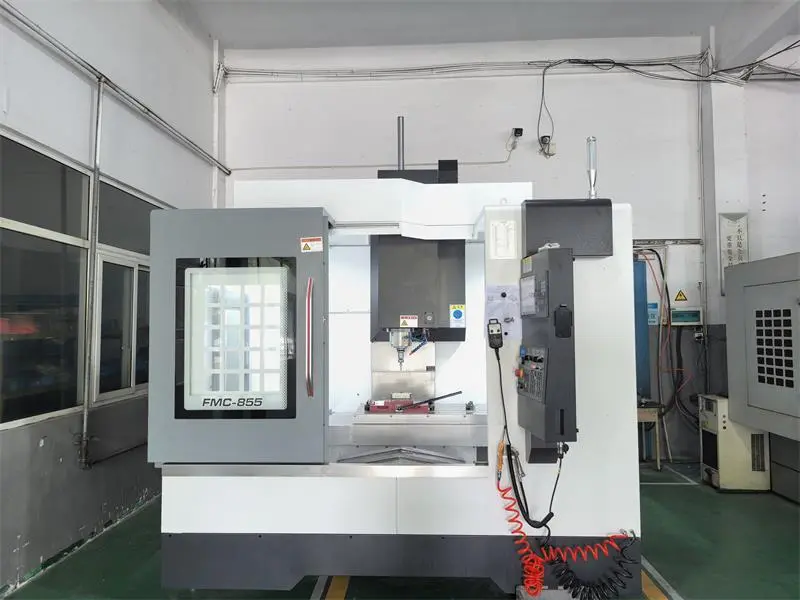
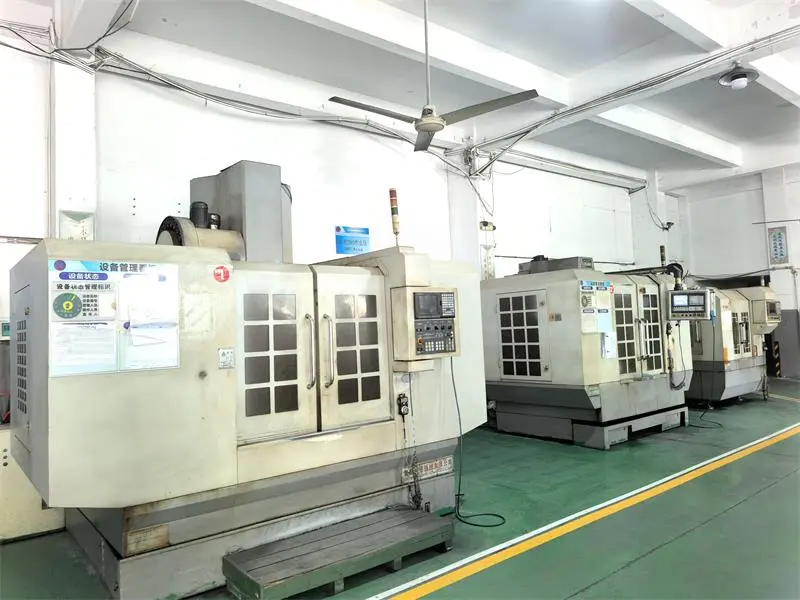
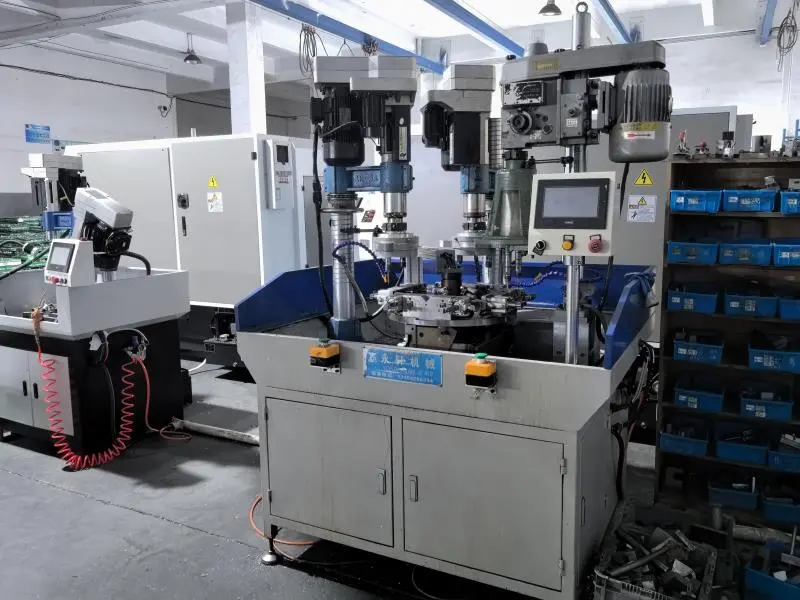
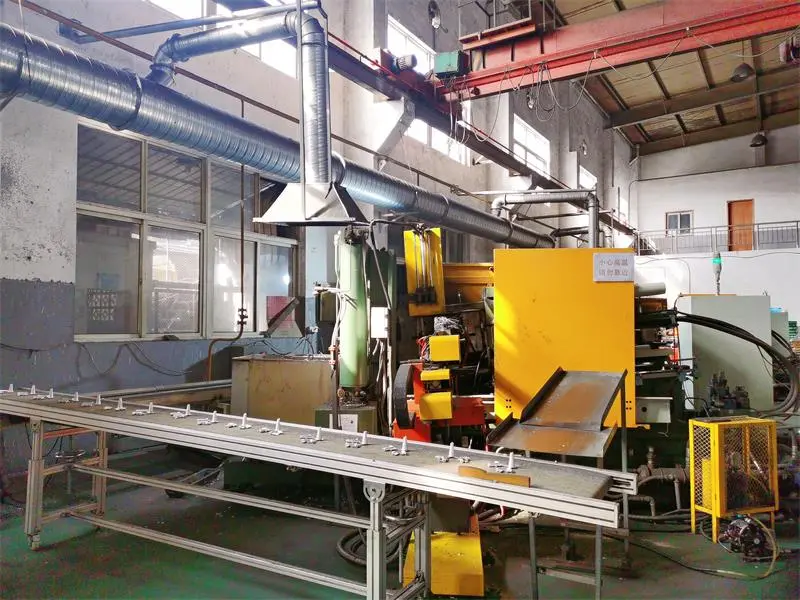
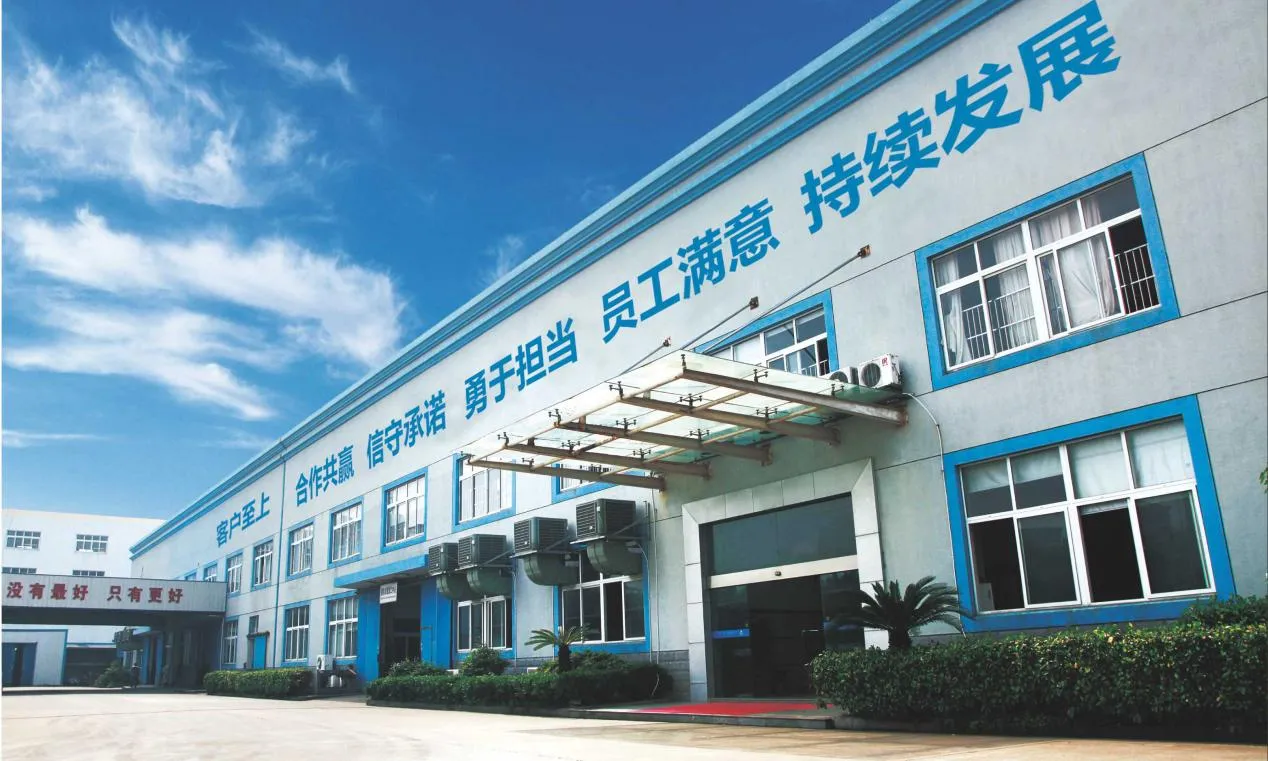
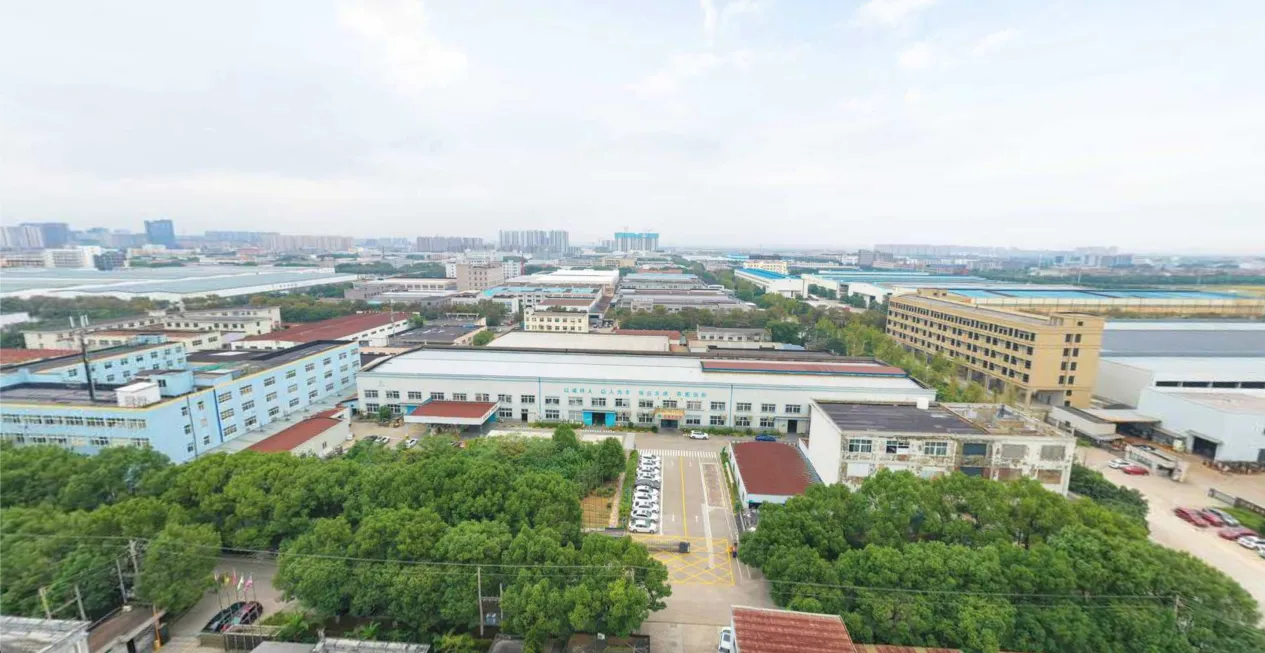
The global dominance of Chinese hardware fabrication is driven by deep industrial integration, highly developed supply chain ecosystems, and a skilled manufacturing workforce. In Ningbo's industrial zone, Huazhu leverages a complete in-house manufacturing process. Unlike manufacturers who outsource tooling or plating, we manage the entire value chain internally:
Our dedicated mold workshop designs and produces tooling in-house. This capability cuts prototyping cycles down to 28-35 days, reducing time-to-market compared to outsourced workflows.
Equipped with hot and cold chamber die-casting machines, we achieve dimensional tolerances as tight as 0.02 mm. This reduces the need for extensive secondary machining operations.
Our surface finishing suite supports copper acid plating, chrome, satin nickel, matte black powder coating, and premium PVD (Physical Vapor Deposition) for marine-grade longevity.
Maintaining these critical processes under one roof eliminates trans-shipment delays and limits quality variance. Crucially, it allows us to optimize resource use, reduce material waste, and offer competitive pricing. For procurement managers, this vertical integration simplifies product development and ensures stable quality control.
A collection of custom projects showing our structural components integrated into high-end glass partitions and architectural applications.
When selecting glass clamps, structural engineering criteria must guide product selection. Glass behaves as a brittle material under stress, meaning localized pressure points can lead to catastrophic failure. High-quality glass clamps distribute holding forces evenly across the glass surface using specialized gaskets.
Friction clamps rely on mechanical compression force alone to hold the glass panel secure. This method is preferred when avoiding pre-drilled holes in tempered glass is a design goal. Friction-fit installations typically use EPDM or high-grade Neoprene gaskets to prevent direct metal-to-glass contact and protect against slippage.
For heavy overhead applications or high-traffic areas, positive pin-lock clamps are recommended. These clamps feature a security pin that passes through a pre-drilled hole in the glass panel, offering physical support that prevents slipping even under high mechanical stress or vibration.
Environmental conditions also dictate installation requirements. Wind loads on outdoor glass balustrades can generate high horizontal pressures. In these setups, the spacing between clamps, the thickness of the glass (typically 8mm to 17.5mm for commercial applications), and the yield strength of the clamp must be calculated to meet local building codes.
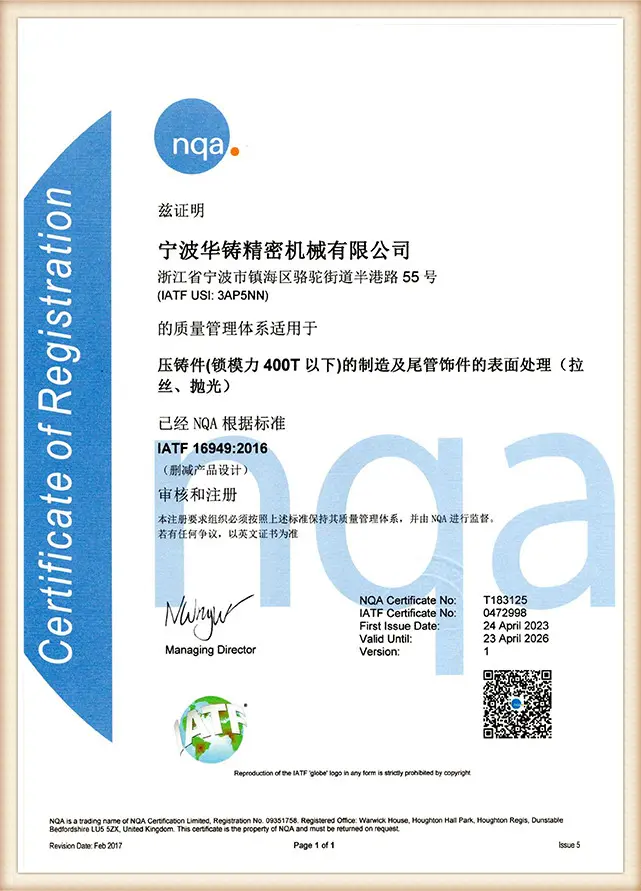
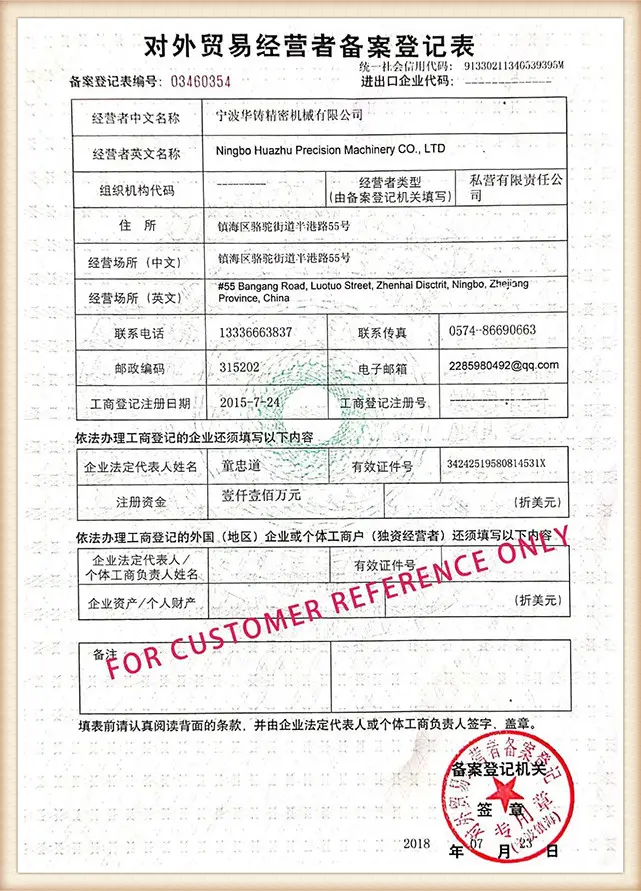
Our compliance and quality management certificates demonstrate our capability to meet strict global engineering specifications.
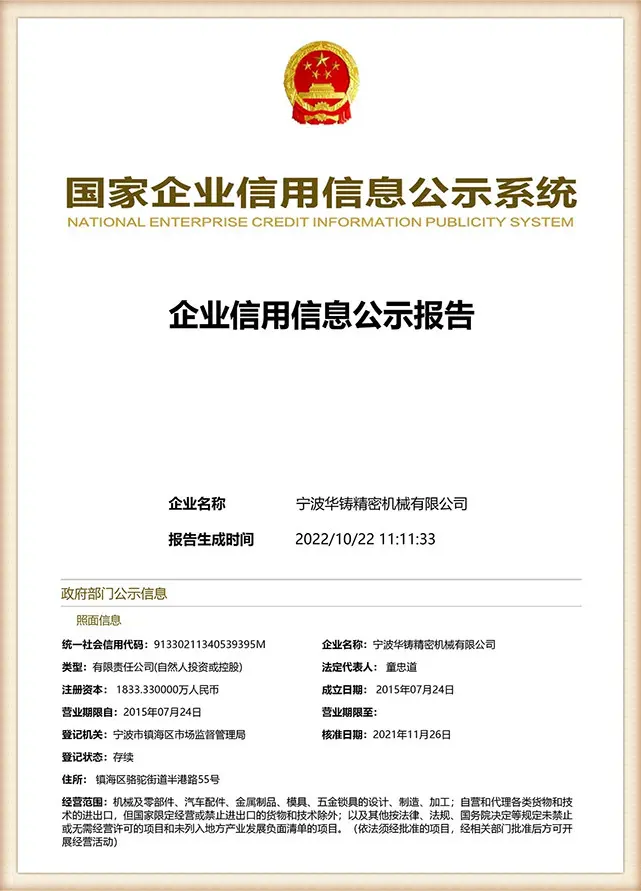
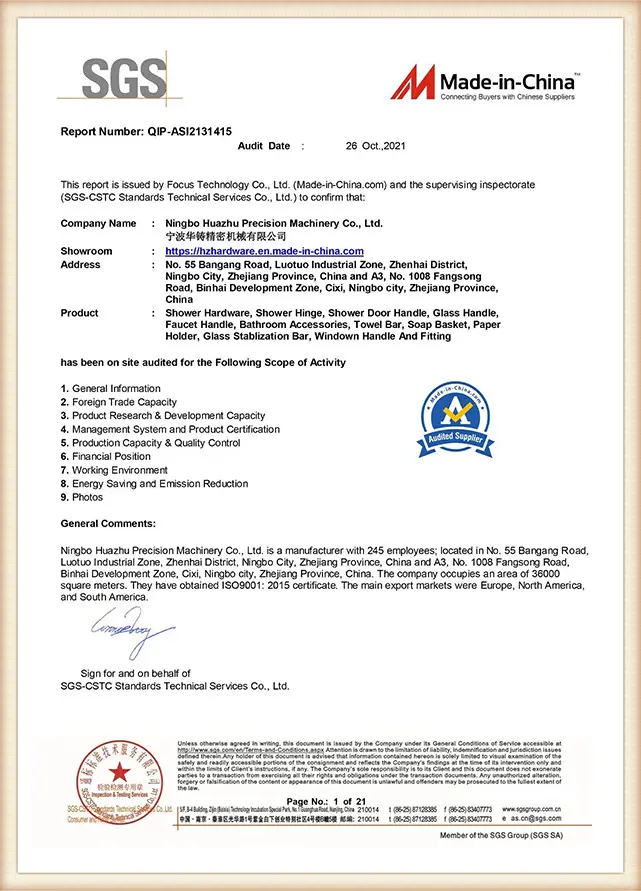
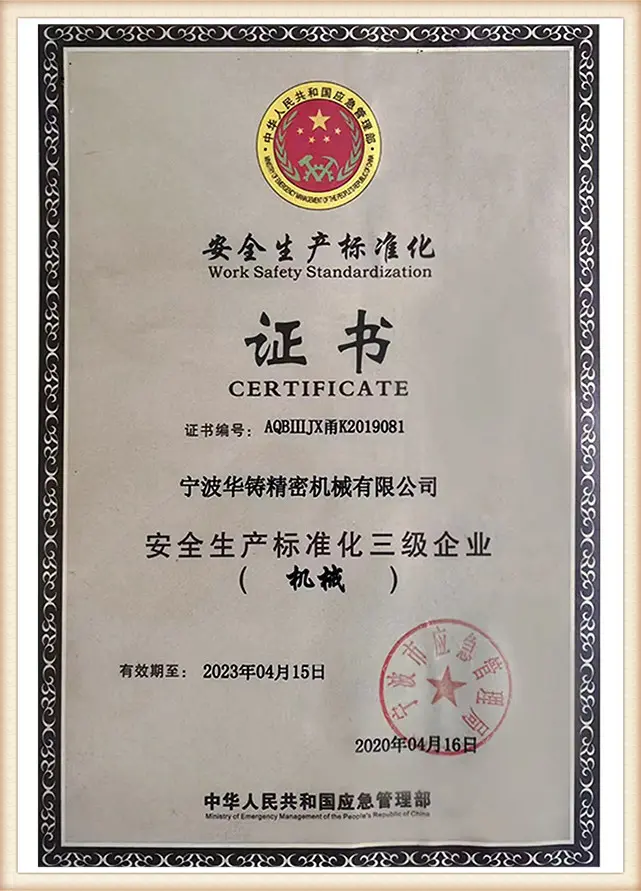
Answers to common technical, material, and logistics questions about sourcing glass clamps and hardware fittings.
Clamps intended for commercial and industrial use are typically tested under EN 1991 (Eurocode 1) or ASTM standards for wind load, static load, and impact resistance. Certification protocols verify the clamp's load-bearing limits and slip resistance to ensure performance under stress.
Zinc alloy (specifically Zamak 3 and 5) has a lower melting point and high fluidity during casting compared to stainless steel. This allows us to produce intricate details, tight radii, and thin-walled parts in a single die-casting step. Once plated or powder-coated, zinc alloy provides excellent corrosion resistance and aesthetics at a lower cost than machined stainless steel.
We perform multi-layer electroplating, base-coating with acid copper, followed by layers of nickel and chrome. For premium requirements, we apply PVD surface treatments. Our finished products undergo Neutral Salt Spray (NSS) testing for 240 to 480 hours to verify corrosion resistance before shipping.
For new OEM/ODM designs, we can design, build, and test the custom tooling in 28 to 35 days. Once sample approval is complete, mass production cycles typically run 30 to 45 days, depending on order volume and the required surface treatment.
Gaskets prevent metal-to-glass contact and provide the friction needed to hold the glass panel. We use high-quality EPDM or Neoprene gaskets, which offer ozone resistance, UV stability, and resistance to chemical cleaners, preventing rubber degradation over time.
Originally designed for the automotive sector, IATF 16949 certification demands a high level of process control and defect prevention. Applying these quality standards to our architectural hardware line ensures dimensional consistency and product reliability across large production runs.
For over a decade, we have manufactured custom hardware for top-tier global brands, including Germany's Dornbracht, Japan's TOTO, Italy's INDA, and Spain's ROCA.







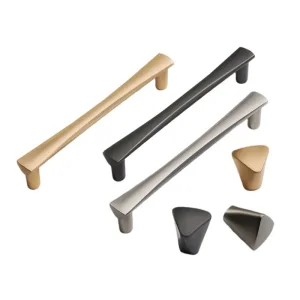
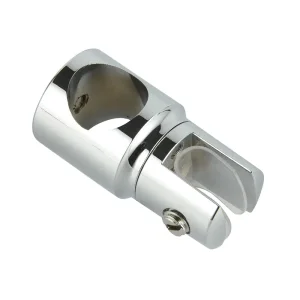
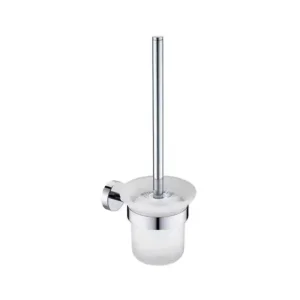
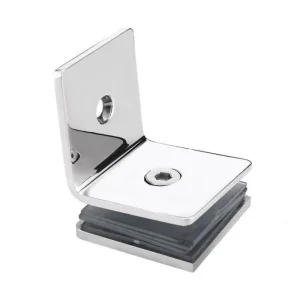
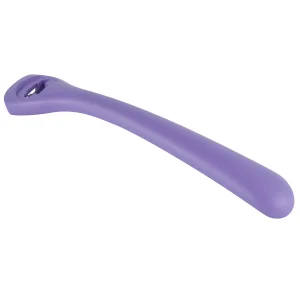
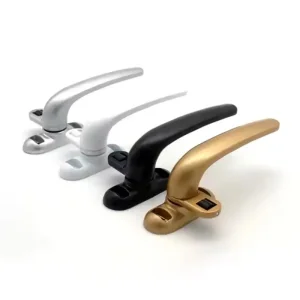
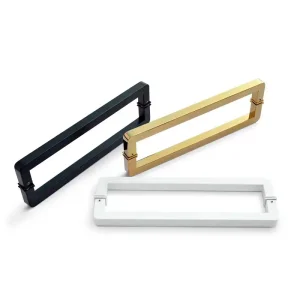
Additional OEM/ODM options covering window/door handles, bathroom hardware, and structural suspension clamps.
Request quotes, product catalogs, or consult with our engineering team. We typically respond within 24 hours.
 Huazhu