Explore our highly engineered OEM customized faucet bodies, handles, bathroom accessories, and structural components built for top-tier international sanitary brands.
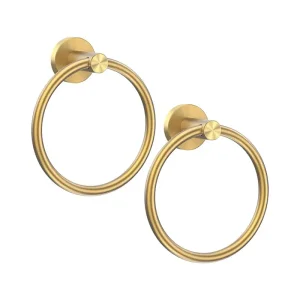
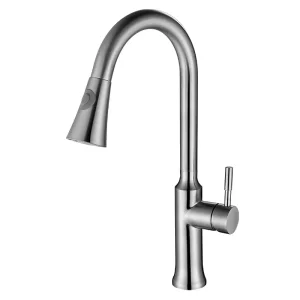
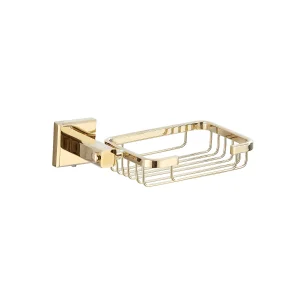
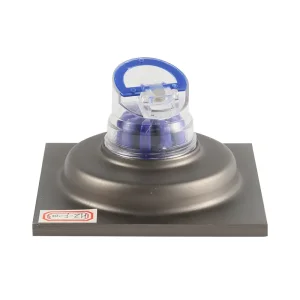
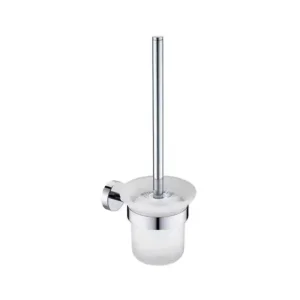
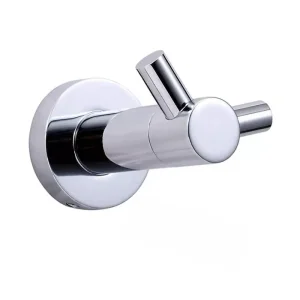
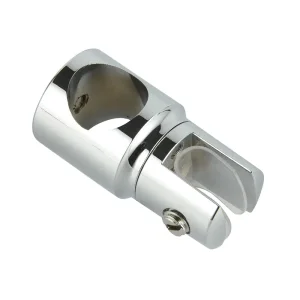
In the contemporary global sanitary ware market, brand competitiveness is deeply rooted in engineering precision, surface finish endurance, and supply chain responsiveness. Modern luxury faucet production has evolved from basic metal casting to a highly advanced process relying on precise metallurgy, robot-assisted polishing, nanometer-level Physical Vapor Deposition (PVD), and complex valve-core integrations. Purchasing managers from tier-1 brands (including TOTO, ROCA, Dornbracht, and INDA) require production environments that minimize material defects while ensuring flawless cosmetic finishes. As leading OEM professional faucet exporters, certified manufacturing hubs like Ningbo Huazhu Precision Machinery Co., Ltd. offer vertically integrated supply chains capable of translating architectural designs into high-precision zinc alloy and copper components with dimensional tolerances of ±0.02mm.
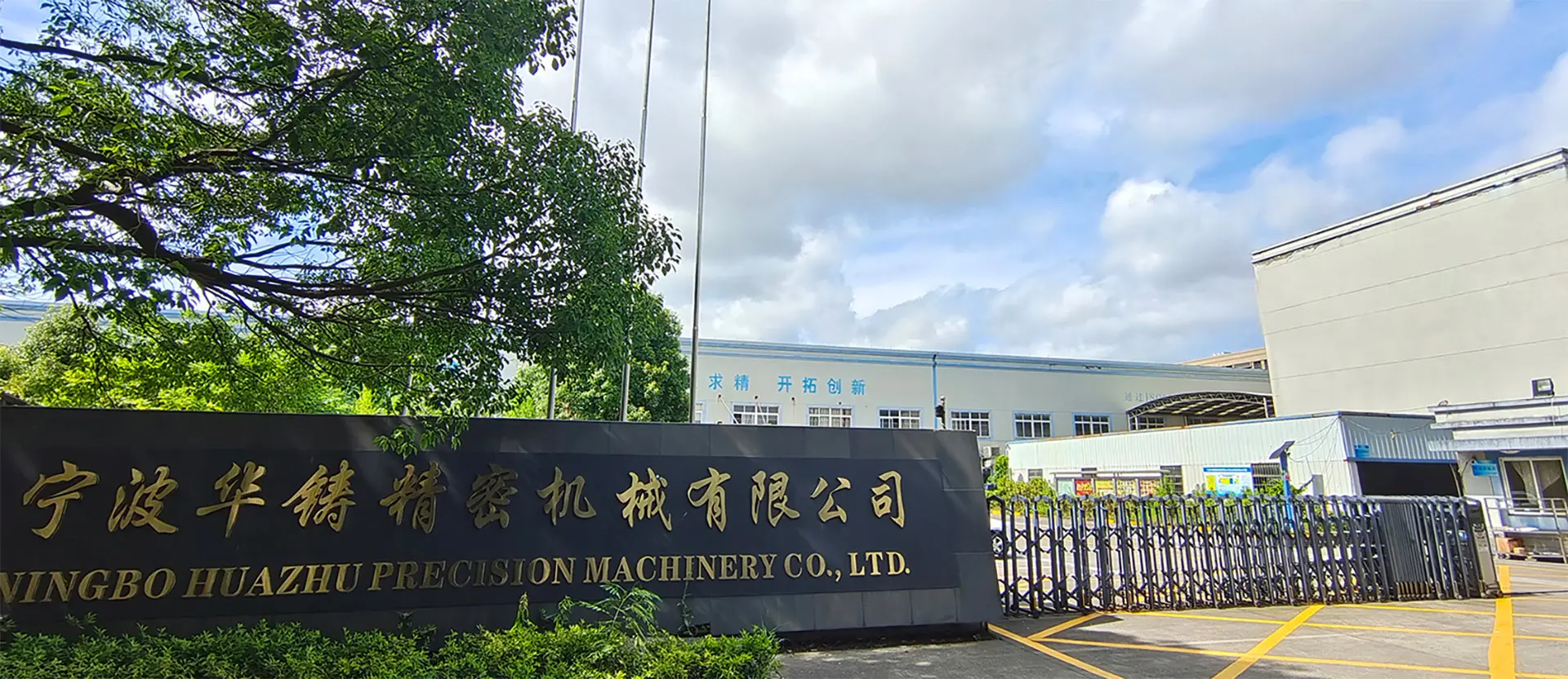
Originally established in 2007 as the Tiezhu Hardware Factory, we rebranded in 2015 to represent our progress in high-performance hardware manufacturing. Our headquarters cover a modern production area of 20,000 square meters, employing over 200 skilled operators, materials engineers, and QA inspectors.
We are a production-focused enterprise. Rather than relying on external manufacturing steps, we control the entire product lifecycle in-house. This comprehensive manufacturing loop covers mold design and manufacturing, hot/cold chamber die-casting, CNC precision machining, polishing, automatic electroplating, powder spraying, PVD surface treatment, and 100% inspection before final packaging.
By maintaining this end-to-end control, we help our partners shorten development windows from months to weeks. Our custom mold engineering cycle takes only 28 to 35 days, enabling rapid deployment of new design lines for global sanitary ware companies.
How strict lead regulations, smart interfaces, and premium surface treatments are redefining luxury faucet manufacturing standards.
Global environmental mandates, such as the EPA's Lead-Free Safe Drinking Water Act and Europe's REACH, require structural parts in contact with potable water to be lead-free. Modern manufacturers use lead-free brass alloys, premium zinc-aluminum alloys (Zamak series), and stainless steel castings. These alloys maintain high structural integrity while preventing heavy metals from leaching into water systems.
Standard chrome plating is increasingly being replaced by Physical Vapor Deposition (PVD). This vacuum-deposition process deposits thin films of titanium nitride or zirconium nitride at a molecular level. The resulting surfaces are exceptionally hard, scratch-resistant, and chemically stable. They easily survive 480-hour Neutral Salt Spray (NSS) testing, protecting against corrosion even in damp, salty environments.
Smart homes require touchless sensor activation, real-time temperature feedback, and precise flow control. Faucet bodies must now include built-in sensor recesses, internal wire channels, and solenoid valve chambers. This requires tight casting tolerances to protect internal electronics from moisture while maintaining a clean, minimal exterior design.
Addressing supply chain concerns like delivery delays, QA failures, and slow product development cycles.
| Procurement Pain Point | Technical / Supply Chain Implication | Ningbo Huazhu Industrial Solution |
|---|---|---|
| Pinhole Defects & Leaks | Weak die-casting control creates micro-porosities, causing leaks when under high water pressure. | Real-time thermal monitoring in our die-casting process, combined with hydraulic testing at up to 1.6 MPa. |
| Surface Peeling & Oxidation | Poor adhesion between layers during electroplating causes copper/zinc fittings to peel and corrode. | Automated, multi-stage electroplating and PVD systems that meet 240-hour to 480-hour Neutral Salt Spray (NSS) testing specifications. |
| Slow Product Development | Working with separate mold shops and production plants extends new product development to over 90 days. | An integrated, in-house tooling shop that finishes new mold development and sample validation within 28 to 35 days. |
| Traceability Audits | Lack of proper production logging makes it difficult to trace material batches, risking recalls. | Full material and production tracking certified to ISO 9001 and IATF 16949 automotive-grade quality management standards. |
We combine advanced tooling technology with strict quality control. Over our 18-year history, we have integrated every step of the hardware manufacturing process into a single facility, ensuring high quality and consistent execution.
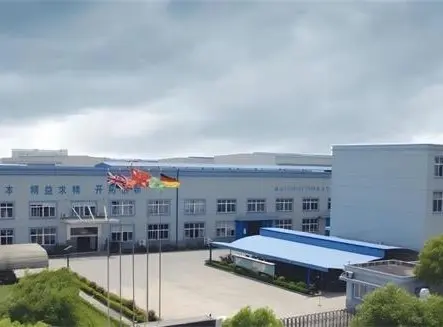
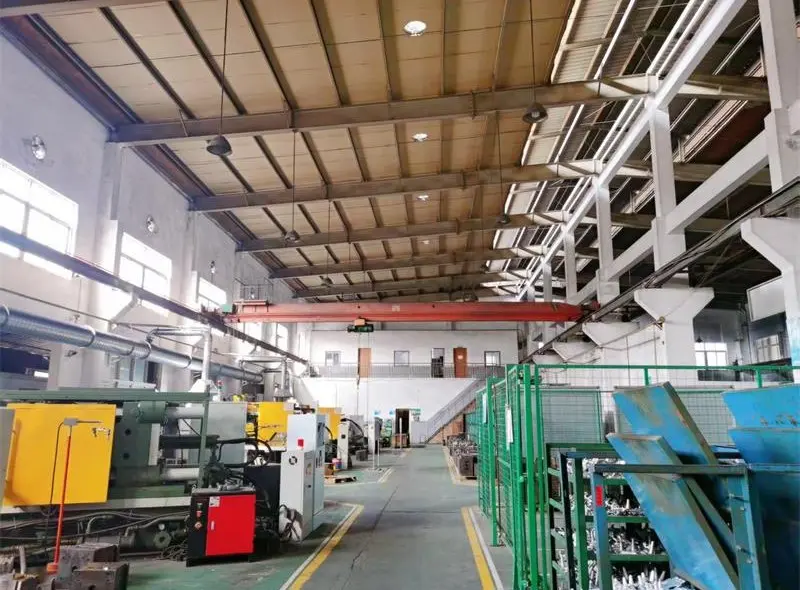
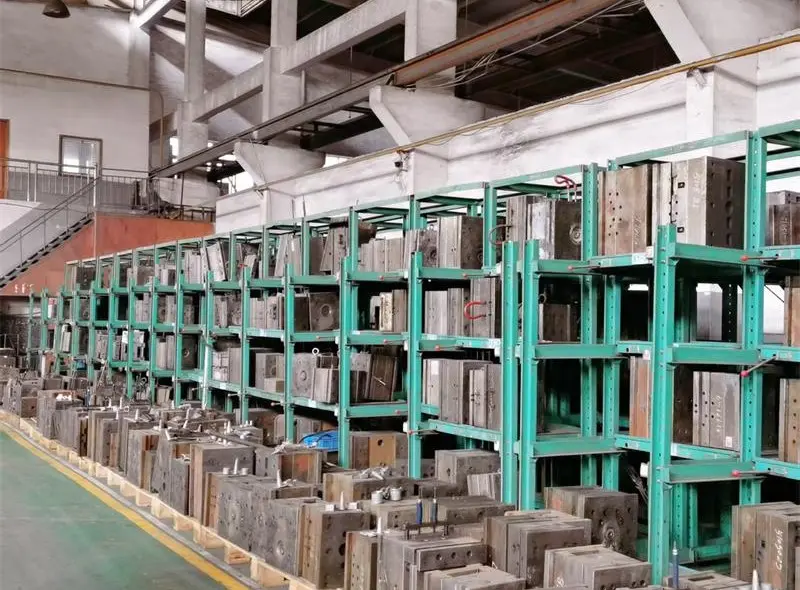
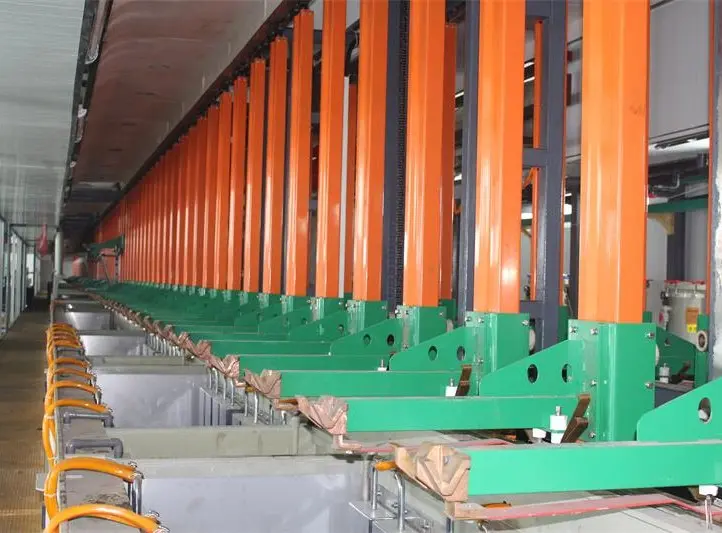
Our processes are certified to international standards to meet the expectations of global brands.
Our ISO 9001 registration covers our entire quality management system, from initial raw material sourcing to packaging. We perform spectral analysis on incoming alloys, conduct real-time thickness measurements on our plating lines, and carry out pressure checks on every product to maintain consistent quality across large production runs.
Originally designed for the automotive sector, we apply IATF 16949 standards to our sanitary hardware production. This means we use failure mode effects analysis (FMEA), follow statistical process control (SPC) for machining, and maintain a strict quality control loop to keep defect rates below industry averages.
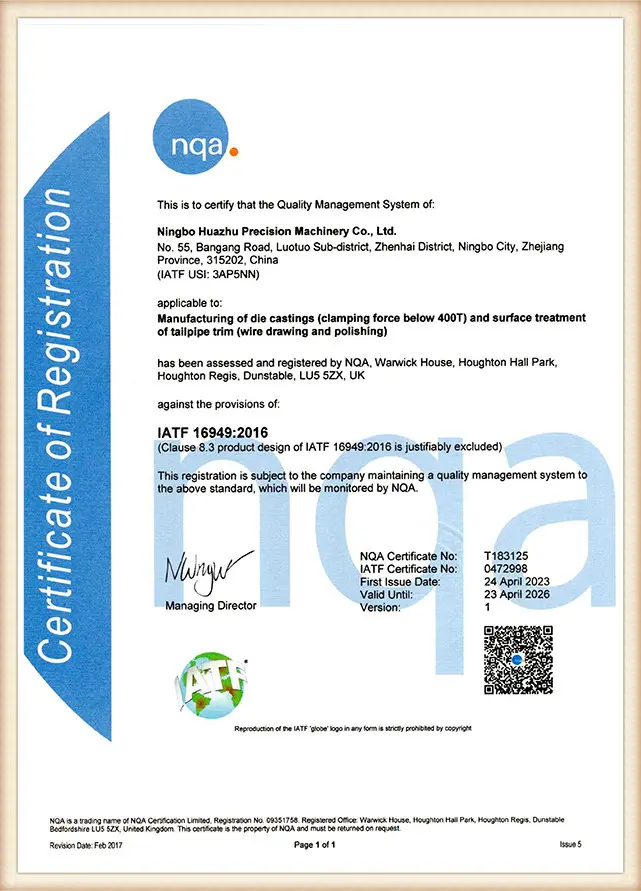
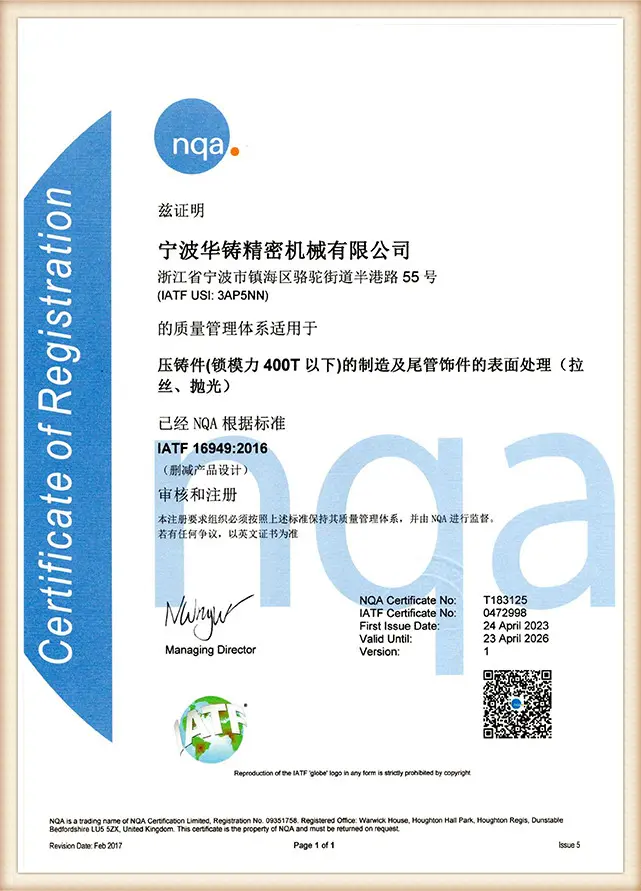
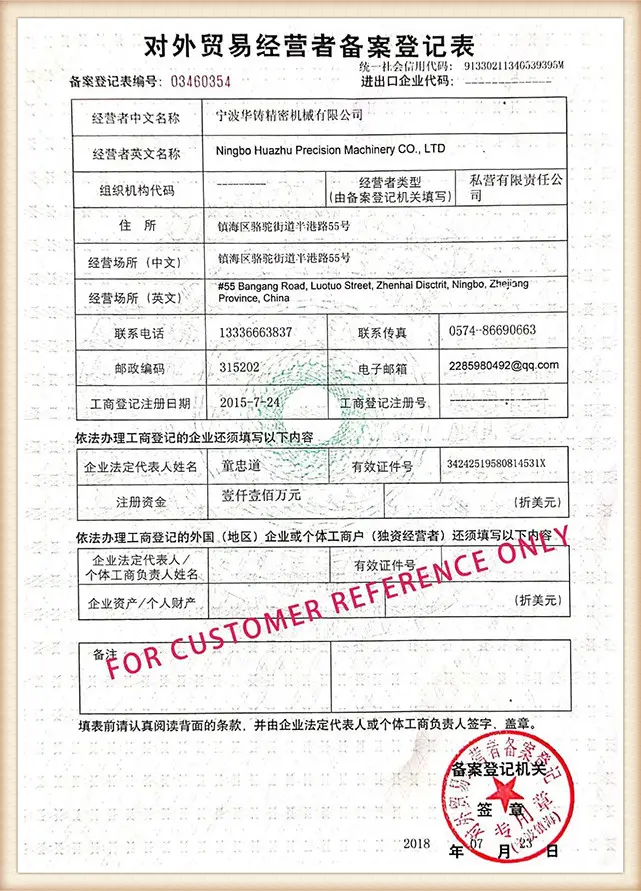
We provide OEM and ODM manufacturing services to some of the most respected names in the European, American, and Asian sanitary markets.
Our engineering standards and production capabilities have earned us partnerships with global market leaders, including Dornbracht (Germany), TOTO (Japan), INDA (Italy), and ROCA (Spain). We deliver products tailored to the exact specifications and regional compliance requirements of each market.







Our ongoing investment in production technology, environmental efficiency, and advanced materials.
We are expanding our use of robotic polishing arms to ensure consistent surface preparation, which is critical for high-end electroplating and PVD finishes. At the same time, automated casting cells monitor alloy temperatures in real time to prevent micro-porosity defects in faucet bodies.
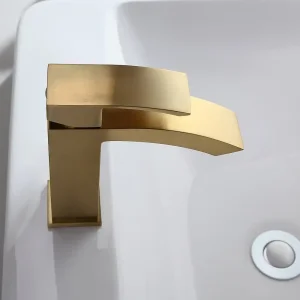
We are developing green, trivalent chromium electroplating processes and expanding our PVD capacity. These new surface treatments provide excellent corrosion resistance and modern colors—like brushed gold, graphite, and matte black—without producing hazardous waste.
We are connecting our factory operations with an integrated MES system to link casting parameters directly to final testing records. This provides complete production traceability, helping global brands simplify their quality audits.
Detailed answers to common technical, metallurgical, and supply chain questions from purchasing managers.
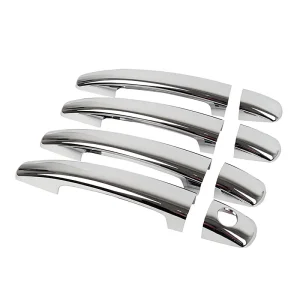
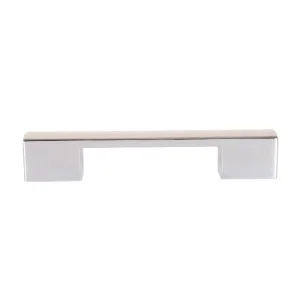
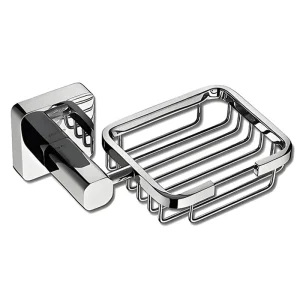
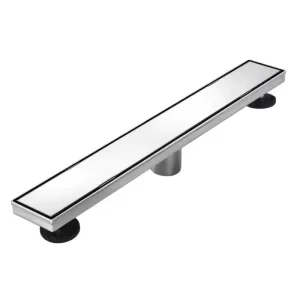
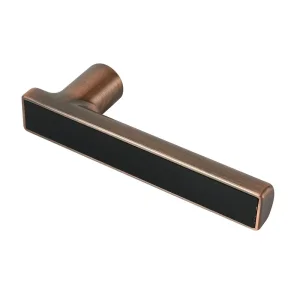
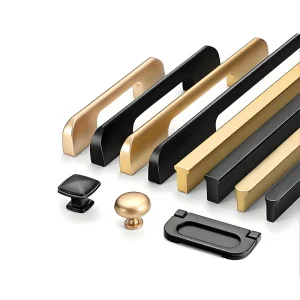
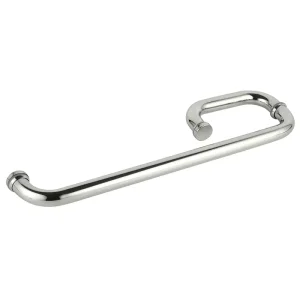
Explore our wider range of architectural hardware, die-cast handles, plumbing components, and customizable hardware fittings.
Get in touch with our engineering team for technical evaluations, pricing, or custom mold development details. We will respond within 24 hours.
 Huazhu