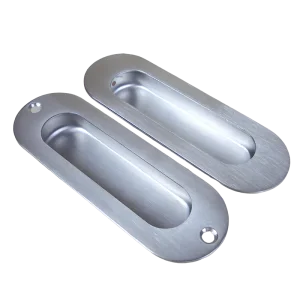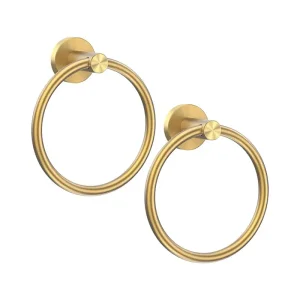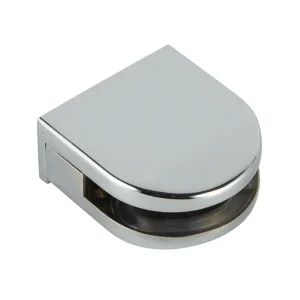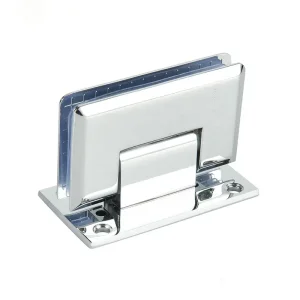
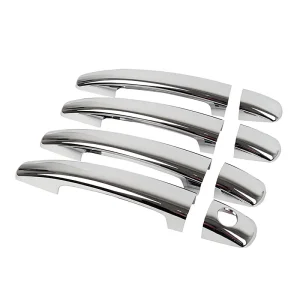
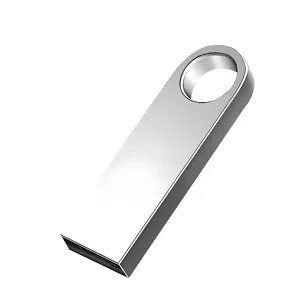
The manufacturing and architectural sectors in Switzerland are globally recognized for their strict quality benchmarks, commitment to sustainable materials, and rigorous mechanical tolerances. When procuring components like shower enclosures, window frames, and specialized kitchen fittings, Swiss developers and distributors operate under stringent national guidelines. This includes the renowned Swiss Society of Engineers and Architects (SIA) guidelines and European harmonization directives.
In Switzerland, "luxury" is defined by durability, high surface finish integrity, and environmental sustainability. High humidity in alpine wellness facilities and premium residential properties demands hardware that can withstand long-term moisture without degradation. Corrosion resistance, thermal cycling capability, and mechanical lifecycle integrity are non-negotiable requirements for components deployed across Swiss construction networks.
Mechanical Durability: Standard EN 14428 testing requiring up to 20,000 door open/close cycles.
Corrosion Performance: Neutral Salt Spray (NSS) testing up to 480 hours according to ISO 9227 standards.
Toxic Substance Restriction: Full adherence to EU REACH and RoHS regulations protecting public water sources and indoor spaces.
To succeed in the Swiss B2B procurement network, external suppliers must demonstrate strict compliance with these expectations. High-precision zinc alloy (Zamak) die-casting and brass manufacturing must meet or exceed these local benchmarks. This ensures seamless integration into major regional projects from Zurich's commercial hubs to luxury chalets in Zermatt.
The global precision casting industry is moving rapidly toward automation, advanced alloy optimization, and eco-friendly surface finishes. Modern manufacturing integrates high-pressure die casting (HPDC) with real-time process monitoring. This technique minimizes structural porosity and ensures isotropic strength across complex geometries.
Furthermore, environmental considerations are changing the surface treatment sector. Traditional hexavalent chrome electroplating has been replaced by trivalent chrome processes and physical vapor deposition (PVD) finishes. These modern options offer superior abrasion resistance, high hardness, and lower environmental footprints.
These technologies allow manufacturers to achieve precise dimensional control (down to ±0.02mm tolerance levels) on heavy-run architectural fixtures. This is crucial for matching the expectations of European luxury brands that prioritize both aesthetics and long-term mechanical reliability.
Established in 2007 (formerly known as Tiezhu Hardware Factory, rebranded in 2015), Ningbo Huazhu Precision Machinery Co., Ltd. has grown into a vertically integrated manufacturer. We specialize in precision mold design, high-pressure zinc and aluminum alloy die-casting, CNC machining, automated polishing, and high-performance electroplating and PVD coating.
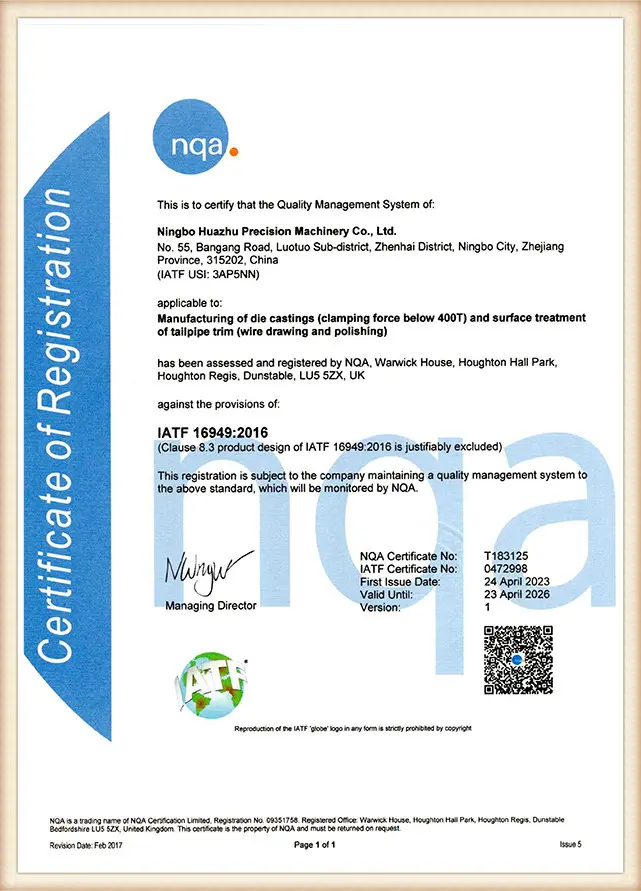
Our manufacturing facility operates under the ISO 9001 and IATF 16949 management standards. By managing the entire production cycle under one roof, we guarantee traceability, consistency, and prompt turnaround times. This systematic approach eliminates supply chain friction, ensuring that Swiss distributors receive high-quality hardware directly from our production floor.
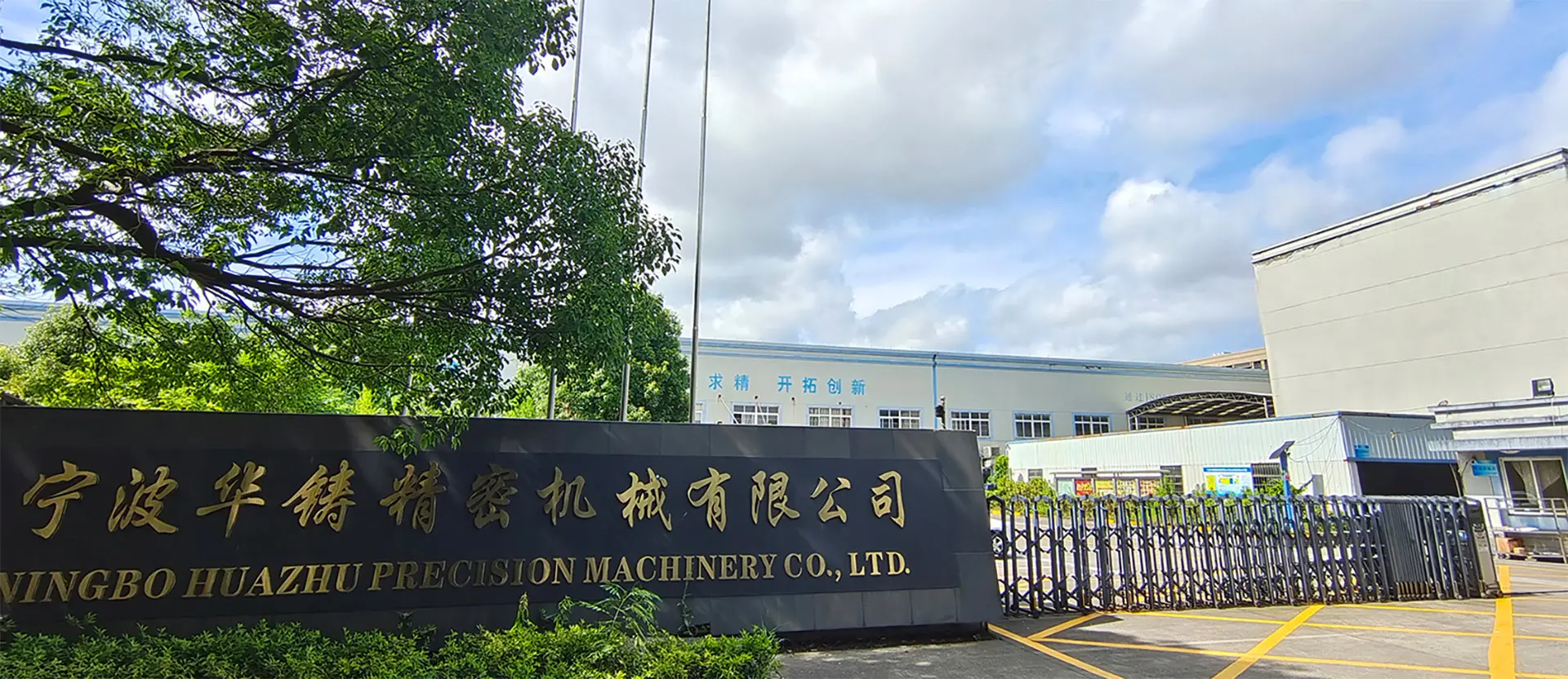
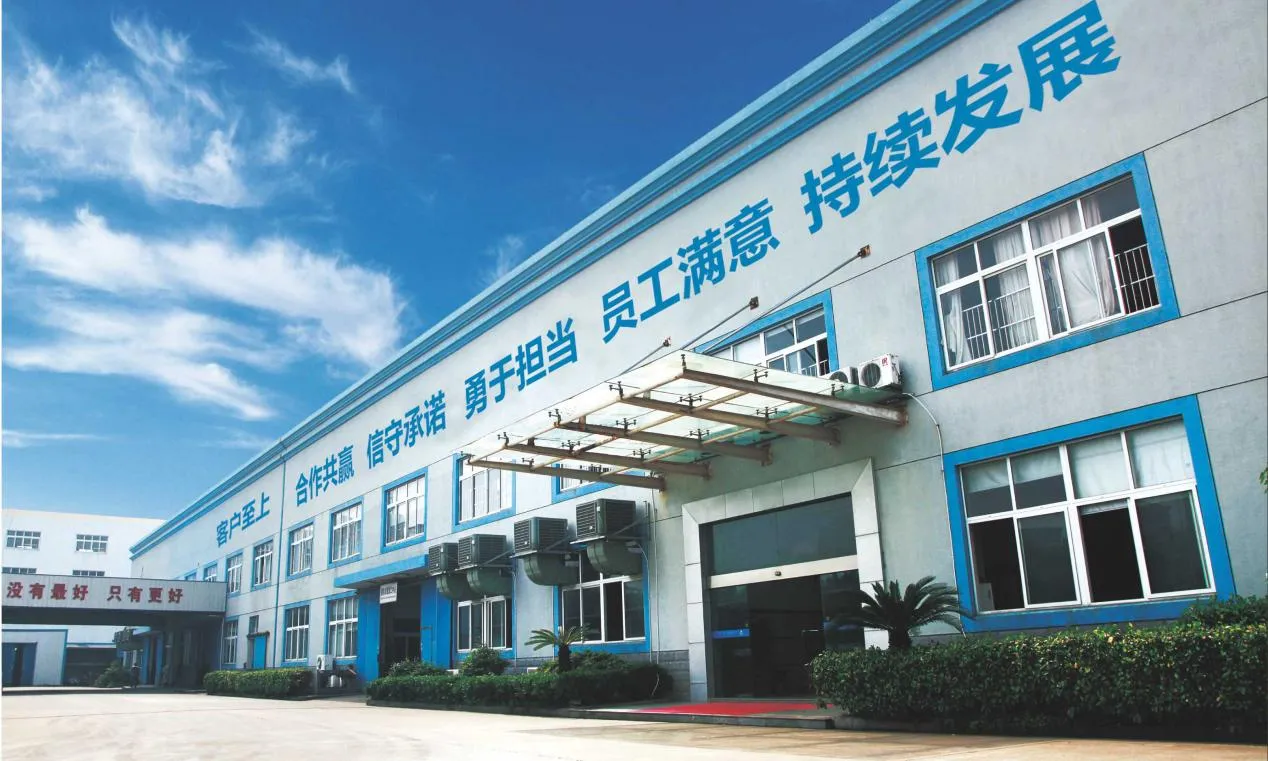
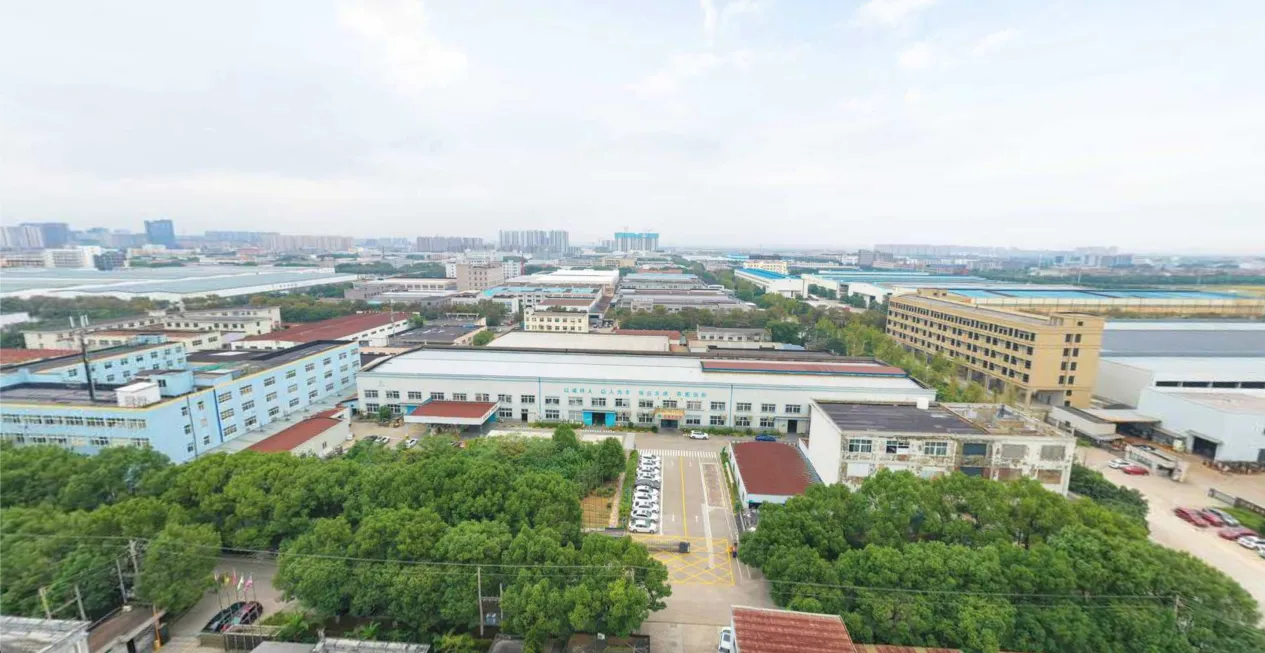
A key advantage of Ningbo Huazhu Precision Machinery is our in-house mold tooling shop. We utilize advanced simulation software to predict metal flow behaviors, thermal gradients, and potential air trap zones before committing to steel tooling.
Our engineers evaluate client 3D models (STEP/IGES) for draft angles, parting lines, and structural optimization. This ensures high-yield die-casting feasibility.
Utilizing high-speed CNC centers and electrical discharge machining (EDM), we manufacture casting dies from high-grade H13 hot-work tool steel.
Molten Zamak or aluminum is injected under high pressure. Fast solidification keeps grain structure dense and avoids surface pores.
Critical dimensions are machined to tolerances of ±0.02mm. Components undergo manual or automated robotic polishing to achieve a flawless mirror surface.
Surfaces are treated via multi-layer plating, powder coating, or PVD. Standard configurations achieve up to 240 hours of salt spray resistance, with premium finishes reaching up to 480 hours.
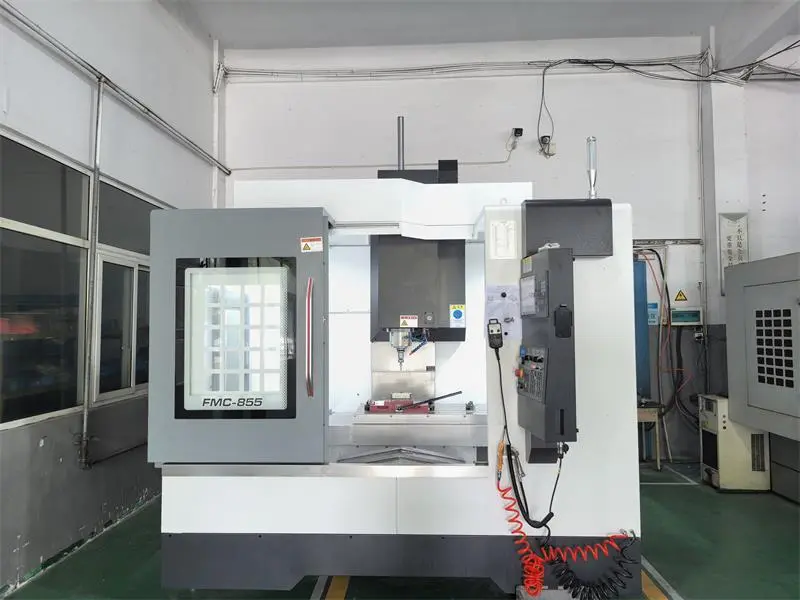
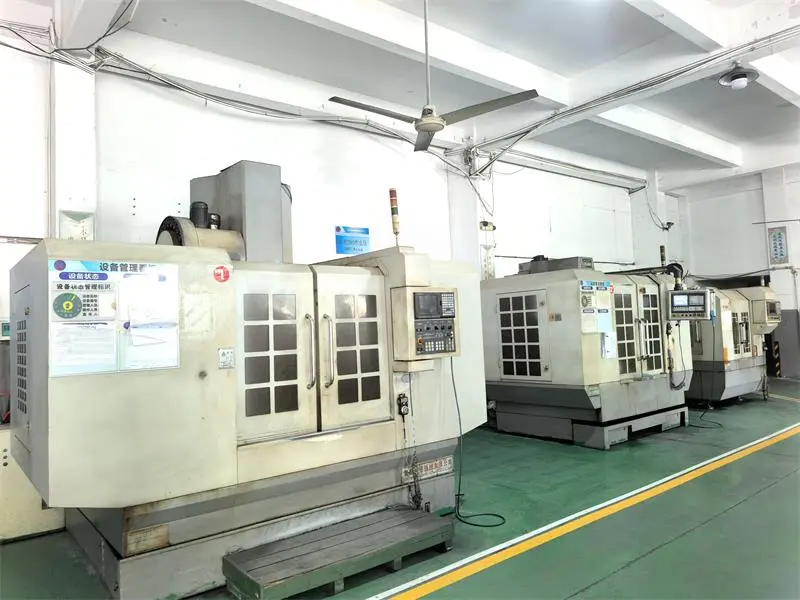
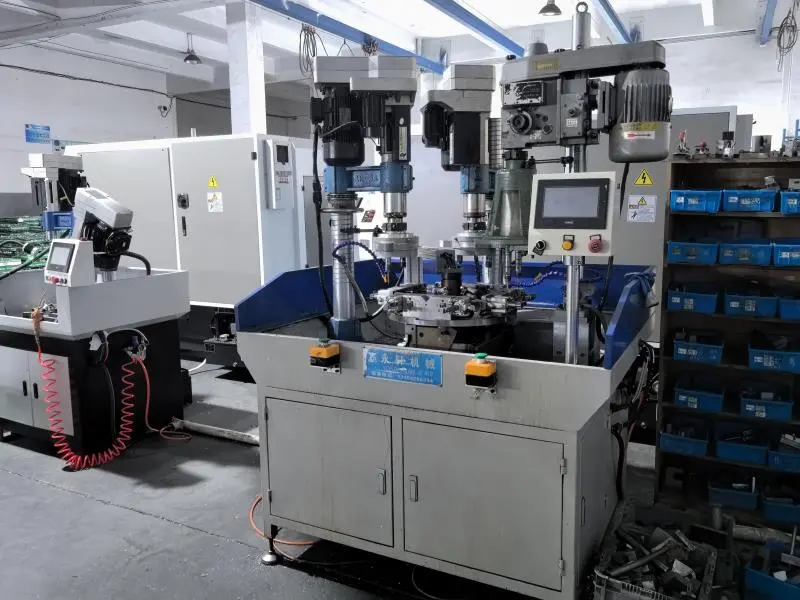
The applications of Ningbo Huazhu hardware solutions demonstrate real-world versatility across various environments in Switzerland:
Ningbo Huazhu Precision Machinery utilizes systematic quality control checkpoints at every production step. This process starts with the chemical analysis of incoming raw material ingots to prevent impurity contamination. It continues through in-process coordinate measuring machine (CMM) testing, and concludes with automated optical inspection before final packaging.
Our manufacturing practices conform to IATF 16949 standards, originally designed for the automotive sector. This level of quality management is highly valued by global bathroom brands in Switzerland and Germany. It guarantees that every production batch meets uniform specifications.
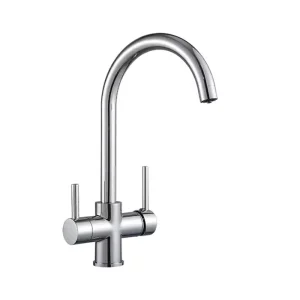
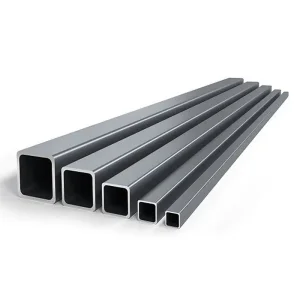
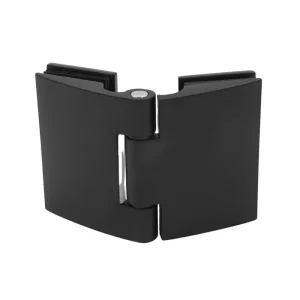
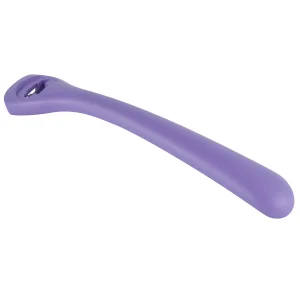
For components like shower hinges, door levers, and decorative covers, selecting the proper alloy is a critical first step. Our manufacturing processes utilize specialized hot-chamber and cold-chamber die-casting machines to process Zamak 3, Zamak 5, and premium aluminum alloys.
Zamak 3 is preferred for internal hardware components due to its excellent balance of castability, dimensional stability, and ease of electroplating. For structural fittings requiring higher tensile strength—such as glass door hinges and heavy brackets—we employ Zamak 5. It contains approximately 1% copper, which increases hardness and wear resistance, making it suitable for high-traffic environments like commercial offices and public buildings in Switzerland.
A precision casting is only as reliable as its protective surface layer. Our fully integrated surface treatment facility is configured to handle complex, multi-stage finishes. The electroplating process starts with a base copper plating to seal minor surface porosity. This is followed by a nickel barrier layer, and completed with a final chromium top layer.
For demanding specifications, Physical Vapor Deposition (PVD) coating deposits a thin, highly wear-resistant ceramic layer over the plated substrate. This provides enhanced resistance to scratching, abrasion, and harsh chemical cleaners.
Partnering directly with a vertically integrated manufacturer offers distinct operational advantages for Swiss importers, distributors, and OEMs:
 Huazhu