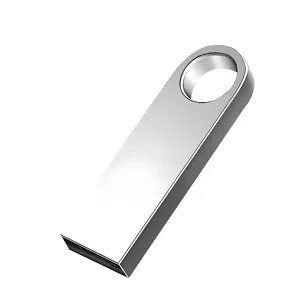
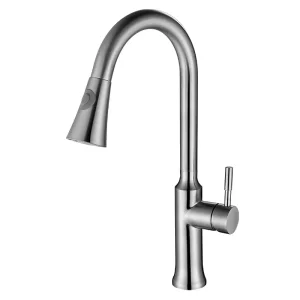
High-precision zinc alloy die-castings and heavy-duty structural architectural accessories engineered for extreme environments.
Analyzing structural demand shifts in sub-Saharan infrastructure development and high-durability hardware components.
The Republic of Mali is witnessing a profound transformation in its built environment, urban planning paradigms, and localized industrial frameworks. Historically centered around artisanal frameworks, contemporary Mali—specifically major urban centers like Bamako, Sikasso, and Kayes—presents an accelerating demand for commercial real estate, public infrastructure, and heavy-duty industrial processing installations. This macroeconomic expansion has shifted the procurement intent of West African engineering firms from low-cost, low-grade hardware toward highly engineered, resilient hardware accessories and structurally superior alloy components.
Sourcing components for the Malian geography introduces unique engineering challenges. Sub-Saharan environmental profiles are defined by drastic micro-climatic disparities: intense heat, airborne abrasive particulates driven by the Harmattan winds, and pockets of severe humidity within modernization zones. These factors accelerate mechanical fatigue and surface degradation. Global procurement professionals must adapt by establishing partnerships with advanced manufacturing facilities capable of delivering customized material compositions that satisfy robust anti-corrosion and physical performance thresholds.
Modern commercial infrastructure across West Africa no longer accepts substandard ironmongery or generic polymer cast fittings. The operational reality of modern public installations, luxury hospitality spaces, and resource-extraction field stations requires metal components possessing superior yield strengths and immaculate mechanical lifecycle profiles. Sourcing agents focused on the Malian market face the imperative of finding factories that integrate advanced electroplating, vacuum physical vapor deposition (PVD), and precision automated machining to combat early stress-fracture failure modes common in tropical and semi-arid deployment spaces.
How deep technical vertical integration protects international supply nodes from systemic operational disruptions.
As standard manufacturing systems face escalating operational costs and rigid structural bottlenecks, Ningbo Huazhu Precision Machinery Co., Ltd. applies an advanced Industry 4.0 production philosophy to deliver consistent cost efficiencies and verified engineering execution. Operating a vertically integrated 20,000 square meter industrial estate, our production capabilities cover the complete manufacturing sequence: high-complexity tool engineering, automated hot/cold-chamber die-casting, high-tolerance CNC machining, computerized mechanical polishing, multi-stage electroplating, and environmental durability validation.
Strategic Lead-Time Advantage: By keeping tool modification, prototyping, and metallurgical testing in-house, our engineering division minimizes custom development times to 28-35 days, bypassing the multi-party handoffs that delay standard export pipelines.
This closed-loop manufacturing matrix is central to safeguarding supply chain continuity for landlocked commercial markets like Mali. When raw component processing is distributed across isolated suppliers, structural defects and communication breakdowns accumulate, leading to project delays. By centralizing operations under strict ISO 9001 and IATF 16949 parameters, every structural component—from frameless structural glass connectors to precision-milled fluid-control handles—undergoes unified quality oversight, maintaining absolute dimensional integrity across long-run production lots.
In-house CNC mold production achieving tolerances within 0.02mm, supporting complex geometries and thin-walled high-strength structural parts.
Automated casting parameters monitor temperature profiles and alloy density, preventing structural micro-voiding and gas porosity.
Multi-layer electroplating and deep PVD coatings capable of outperforming standard 240-hour neutral salt spray requirements, extending up to 480 hours.
For African engineering organizations managing strict infrastructure budgets, this operational framework provides direct cost advantages. Industrial automation reduces material waste, stabilizes casting cycle times, and lowers manual overhead costs. Sourcing directly from an integrated tier-1 production facility allows corporate partners to avoid multi-tier distribution markups, securing access to high-specification components at optimized global market pricing.
Validating physical behavior and surface longevity across specialized real-world installation environments.
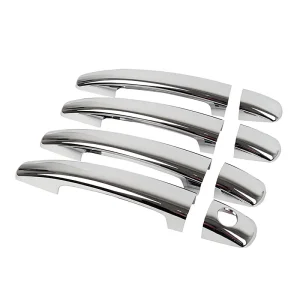
In high-density commercial complexes and luxury hospitality builds within Bamako, door, window, and sanitary accessories face continuous mechanical wear. Substandard finishes rapidly degrade when exposed to sweat, cleaning chemicals, and particulate friction. Our specialized high-purity Zamak alloy handles and marine-grade stainless steel shower configurations maintain their structural and visual integrity under heavy public use. Advanced surface finishing prevents oxidation, discoloration, and structural degradation over extended service lives.
Modern multi-family housing projects and municipal structures require standardized, secure hardware that remains operational across long lifecycles without ongoing maintenance. Our heavy-duty zinc and aluminum alloy window hinges, secure latches, and custom brackets provide the high structural load ratings needed to handle thermal expansion cycles common in sub-Saharan zones. Eliminating internal mechanical stress points guarantees smooth operation and long-term security in demanding residential installations.
Industrial operations in regional Mali demand field accessories that resist dust ingress, abrasive mineral sand contact, and structural vibrations. The heavy-duty structural mountings, industrial control levers, and protective housings developed by Ningbo Huazhu offer the impact toughness and material density required to withstand harsh field environments, lowering part failure rates in remote operational centers.
"True asset reliability is achieved when component metallurgy is precisely calibrated to match the environmental challenges of the installation site. Our partnership with prominent global brands like TOTO, ROCA, and Dornbracht confirms our engineering commitment."
Deploying certified production lots engineered to satisfy rigorous international build quality standards.
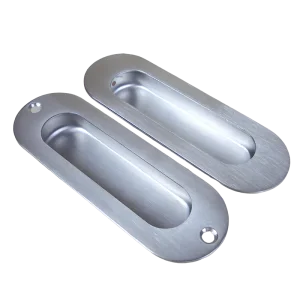
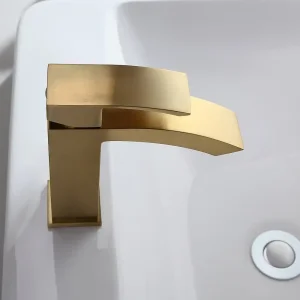
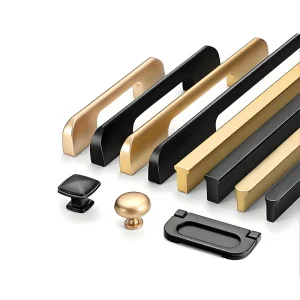
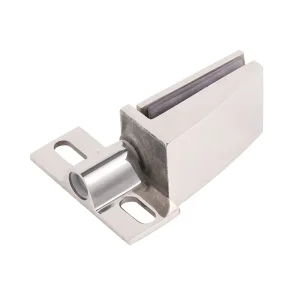
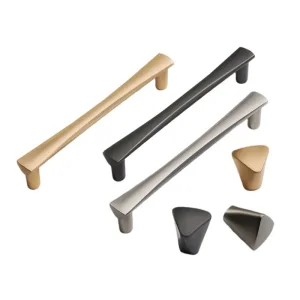
Our long-term performance records with Tier-1 international plumbing and architectural hardware developers.




Through rigorous adherence to quality management systems, our facilities provide consistent component execution. Our manufacturing processes carry verified ISO 9001 and IATF 16949 automotive certification, confirming strict operational compliance across all high-volume export lines.
Expert clarifications regarding alloy composition, logistics pathways, testing protocols, and volume production.
 Huazhu