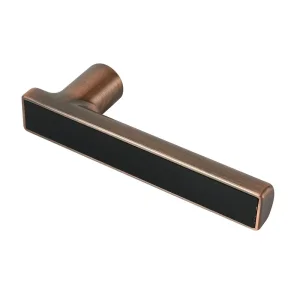
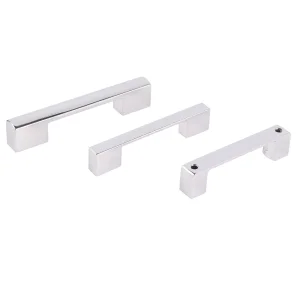
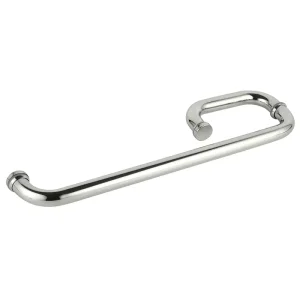
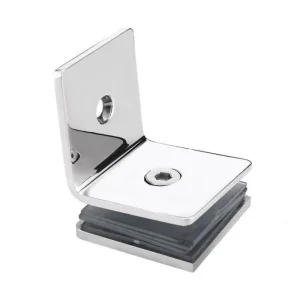
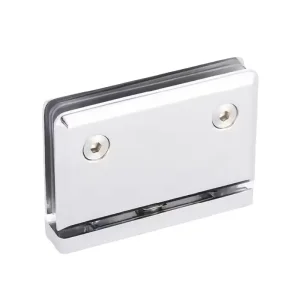
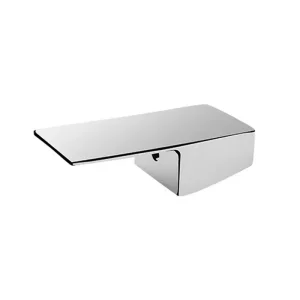
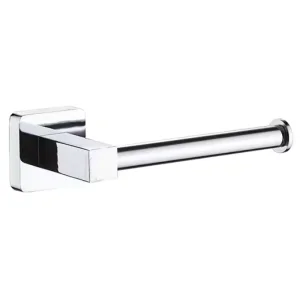
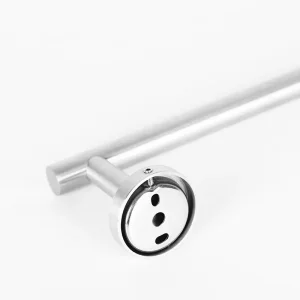
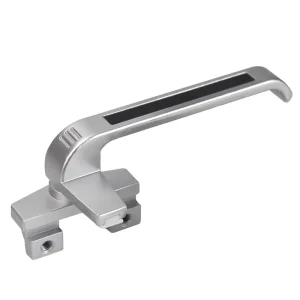
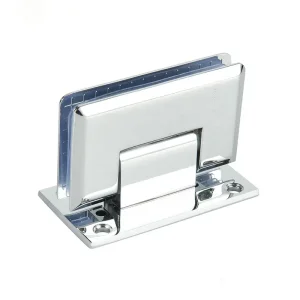
In the evolving landscape of global hospitality, bathroom hardware is no longer just functional; it is a critical touchpoint for guest experience. Leading hotels and interior design firms are increasingly looking toward China, specifically hubs like Ningbo, for manufacturing excellence.
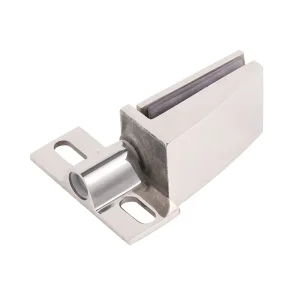
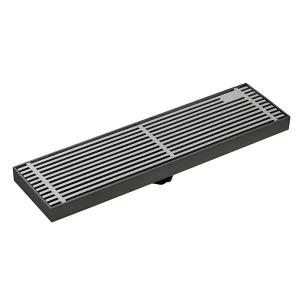
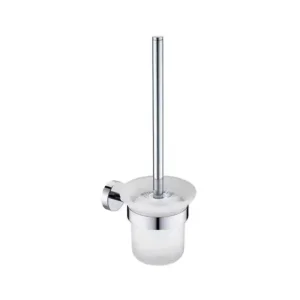
Modern procurement strategies for luxury hotels prioritize co-creation. Unlike off-the-shelf purchases, high-end hotel projects require bespoke zinc alloy, brass, and stainless steel fittings that align with the hotel's specific brand identity. By partnering directly with specialized factories like Ningbo Huazhu, procurement teams leverage the entire industrial chain—from mold design to final PVD finishing—to ensure aesthetic consistency and durability.
Engineering luxury accessories requires meticulous attention to material science. Our technical roadmap involves:
Global enterprises demand compliance. Our facility meets ISO9001 and IATF 16949 standards, bridging the gap between China-based production and global quality expectations. This includes conducting rigorous salt spray testing (up to 480 hours), which is vital for maintaining aesthetic longevity in diverse climates.
Established in 2007, Ningbo Huazhu Precision Machinery Co., Ltd. specializes in producing shower enclosure accessories, bathroom fittings, and door/window hardware. We manage the entire industrial chain: mold making, die-casting, machining, polishing, electroplating, and assembly.
To create value for customers, achieve win-win partnerships, and empower employees. We serve domestic and international markets, providing OEM/ODM services for renowned brands.
A: We utilize our in-house mold department to rapidly prototype designs. Our technical team works directly with client specifications, ensuring that from concept to mass production, every detail meets design intent.
A: Mold development typically takes 28-35 days, depending on complexity. We emphasize streamlined communication to expedite the development lifecycle for global brands.
A: Quality is maintained via full-process inspections: raw material testing, in-process quality control (IPQC), and final product inspection using standard testing protocols like 240H-480H salt spray tests.
 Huazhu