In contemporary high-precision manufacturing, zinc alloy die casting has emerged as a cornerstone technology. Highly valued for its superior mechanical properties, excellent fluid mobility, and outstanding finishing capabilities, zinc casting processes supply critical components to the automotive, consumer electronics, smart home appliances, and bathroom fixture industries. Global supply chains increasingly rely on specialized partners who can combine high-throughput capabilities with extreme dimensional tolerance control.
From a metallurgical standpoint, zinc alloys—particularly the Zamak series (Zamak 3, Zamak 5, and Zamak 8)—possess low melting temperatures compared to aluminum or brass. This physical property significantly extends mold longevity, often yielding up to one million injection cycles. It also facilitates the casting of ultra-thin-walled components with intricate internal geometries that would be cost-prohibitive or physically impossible to machine from solid billets.
"By leveraging near-net-shape manufacturing processes, zinc die casting reduces post-casting machining overhead by up to 40%, serving as a key driver in structural cost-reduction strategies for multinational OEMs."
As international environmental standards tighten, the sustainability of materials has become a priority. Zinc alloys are 100% recyclable, requiring less energy during melt cycles compared to aluminum and copper. This reduction in carbon footprint makes it an essential choice for companies seeking compliance with modern carbon-neutral policies.
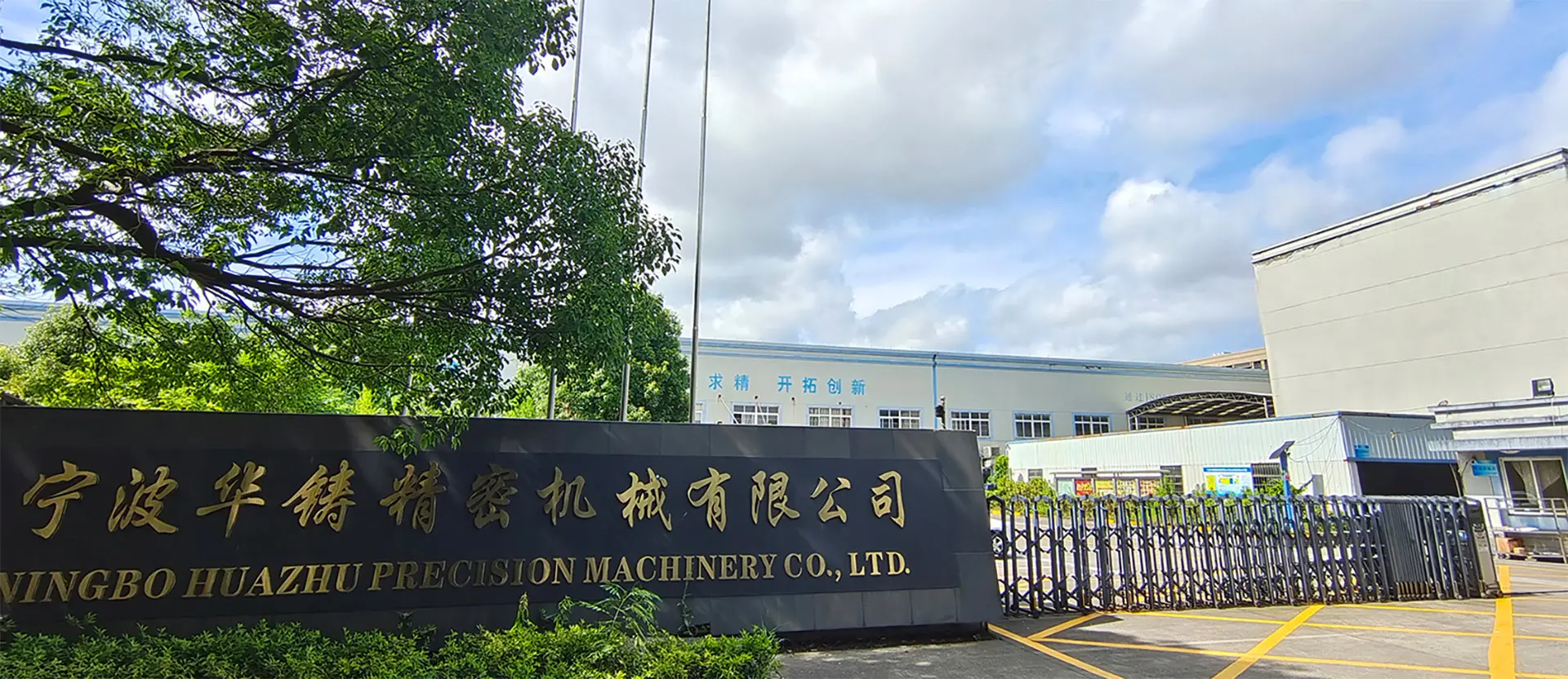
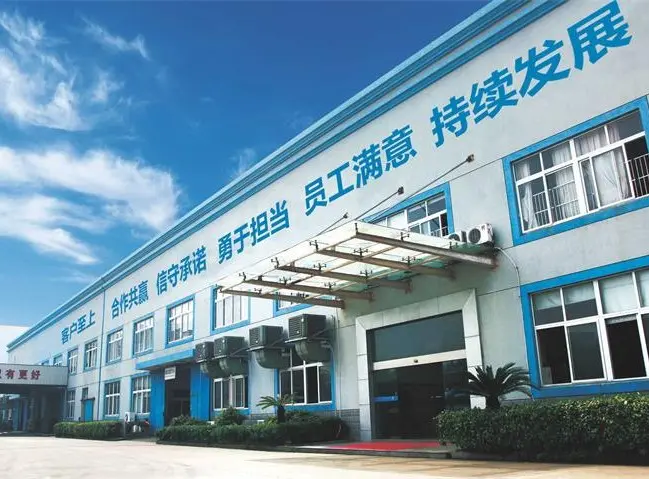
Established in 2007 (formerly known as Tiezhu Hardware Factory, and rebranded in 2015), Ningbo Huazhu Precision Machinery Co., Ltd. has evolved into a leading vertically integrated B2B manufacturer specializing in high-performance hardware and precision-engineered zinc alloy components. Operating from a state-of-the-art 20,000 m² facility with a workforce of over 200 dedicated specialists, we provide custom OEM/ODM solutions to global markets.
Our core competence lies in our complete production chain, which encompasses product R&D, mold design and manufacturing, precision hot and cold chamber die casting, mechanical CNC machining, high-efficiency polishing, advanced electroplating, PVD vacuum coating, and rigorous quality inspection. Our commitment to operational excellence is validated by our ISO 9001 and IATF 16949 system certifications, enabling us to support leading international brands across Europe, North America, and Asia.
"To create value for customers, achieve win-win partnerships, and empower employees to realize their potential." We align our quality standards with global requirements to act as an extension of our clients' production lines.
Utilizing CAD, SolidWorks, and Pro/E software, our design team conducts comprehensive Mold Flow Analysis to predict material flow, temperature distribution, and solidification behaviors. This reduces prototype cycles to 28-35 days.
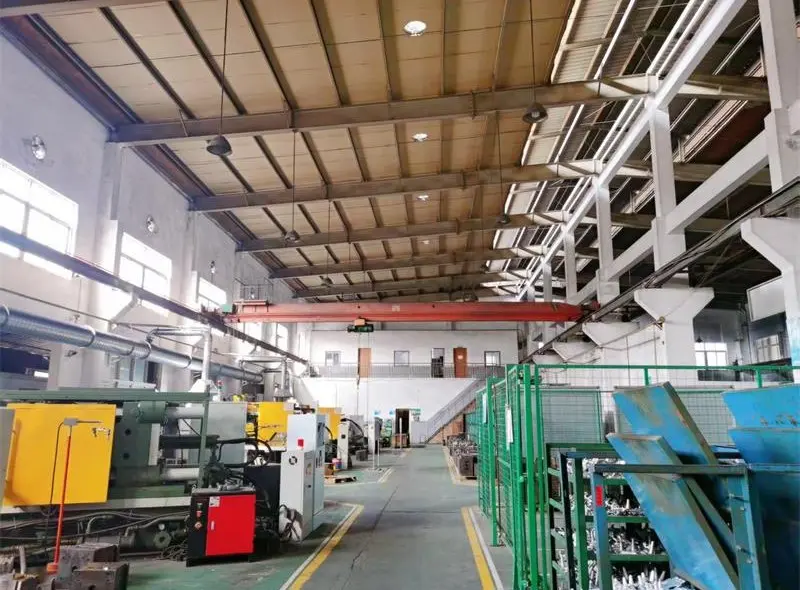
Equipped with hot-chamber die casting machinery, we achieve high injection speeds and stable pressures. Our automated control units maintain structural tolerances down to ±0.02mm for high reliability.
Post-cast components undergo CNC milling, tapping, and drilling. We operate precision machinery to guarantee exact fitments for complicated architectural hinges and bathroom handles.
Surface preparation includes automated polishing and electroplating. We offer multi-layered PVD finishes that resist wear and satisfy anti-corrosion requirements up to 480 hours NSS.
Custom zinc alloy components perform diverse functional roles across multiple key industries. Because Zamak accepts high-integrity electroplating, it is widely utilized for luxury consumer goods and building materials.
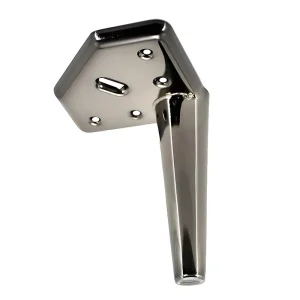
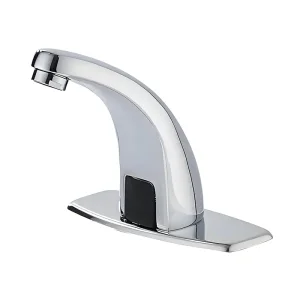
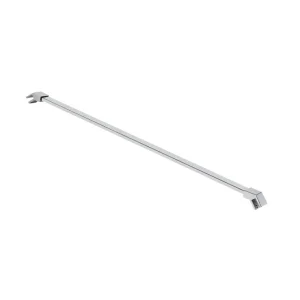
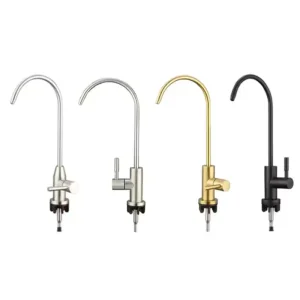
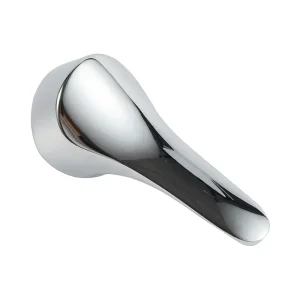
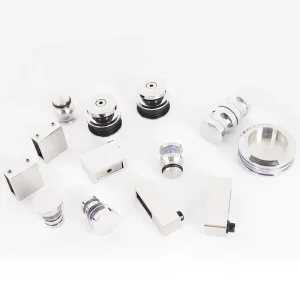
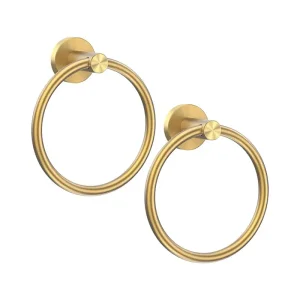
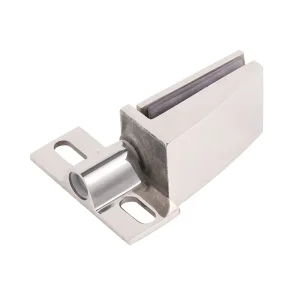
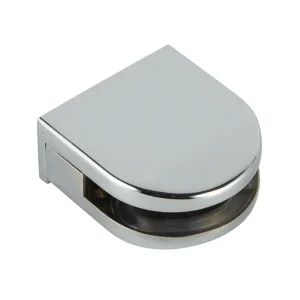
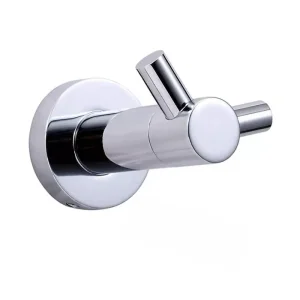
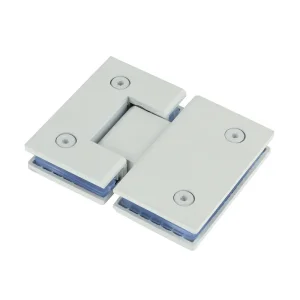
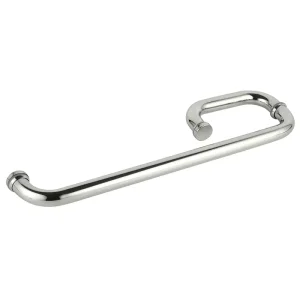
Bathroom Hardware and Sanitary Fittings: Shower enclosure hinges, wall-to-glass clamps, decorative cover plates, and high-end faucet handles demand both aesthetic appeal and resistance to corrosion. Our expertise ensures components maintain cosmetic appearance despite high humidity.
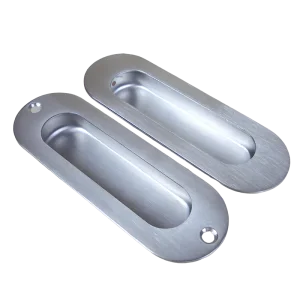
Architectural & Window Hardware: Door handles, security locksets, and sash window pulleys require high yield strength and dimensional stability. Our products are engineered to withstand continuous load stress.
Industrial Engineering & Brackets: Custom bracket assemblies, mounting elements, and frame connectors require robust mechanical performance. By utilizing Zamak 5, we deliver B2B parts that meet high mechanical demands.
Selecting the correct zinc alloy grade is critical for structural integrity, plating adhesion, and service life. The table below outlines the primary metallurgical alloys utilized in Ningbo Huazhu's production facility:
| Alloy Type | Chemical Composition | Tensile Strength | Elongation % | Ideal Application |
|---|---|---|---|---|
| Zamak 3 (Z3A) | 4% Al, 0.04% Mg, Bal Zn | 283 MPa | 10% | Intricate sanitary components, faucet shells, cosmetic covers. Excellent plating base. |
| Zamak 5 (Z5A) | 4% Al, 1% Cu, 0.05% Mg, Bal Zn | 331 MPa | 7% | Structural brackets, heavy-duty hinges, door lock cylinders. Higher wear resistance. |
| Zamak 8 (ZA-8) | 8.4% Al, 1% Cu, Bal Zn | 374 MPa | 6% | Structural brackets requiring higher creep resistance and tensile load-bearing profiles. |
A primary advantage of choosing high-grade Zamak alloys is their receptivity to electrodeposition processes. Unlike aluminum, which forms a thin oxide layer that interferes with plating adhesion, zinc can be copper-plated as a strike coat, followed by copper buildup, nickel barrier layers, and decorative chrome or gold plating.
At Ningbo Huazhu, our polishing line achieves a mirror finish (surface roughness Ra < 0.1μm) before parts enter the electroplating bath. This step minimizes microporosity on the skin of the die-cast part, which prevents galvanic corrosion and blistering under harsh environmental testing conditions.




Contact our metallurgical engineers and supply chain specialists to request a quote, material certification sheets, or tool design consultations. We reply to all inquiries within 24 hours.
 Huazhu