Huazhu
1 / 2
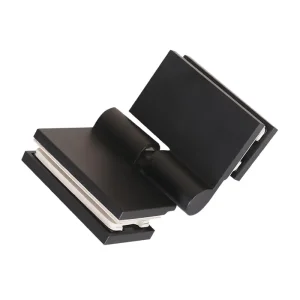
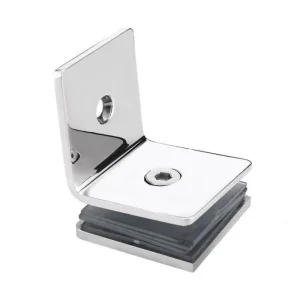
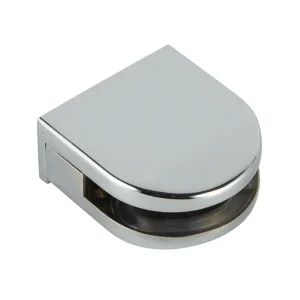
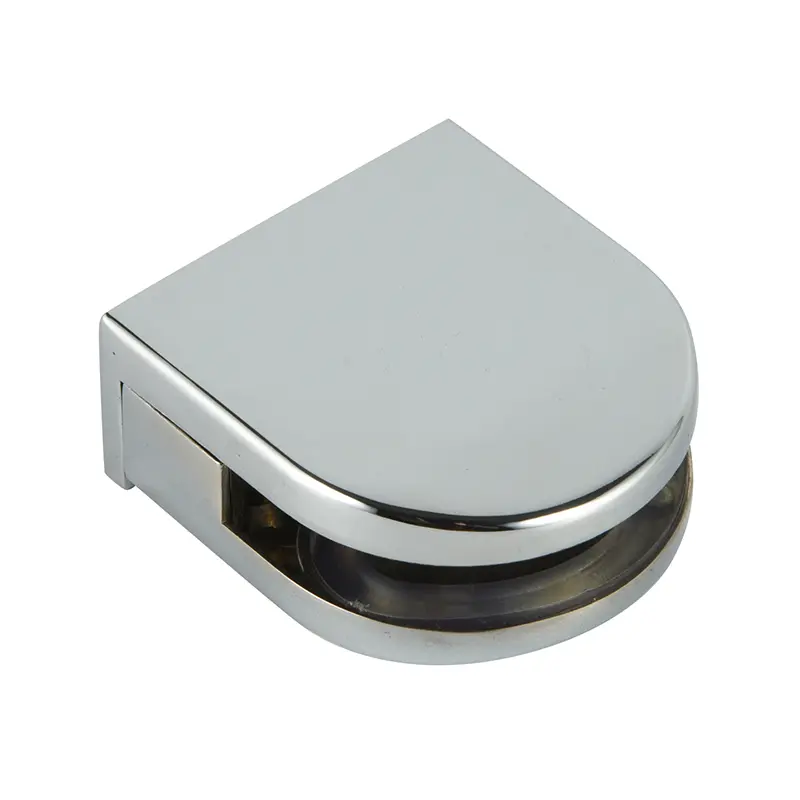
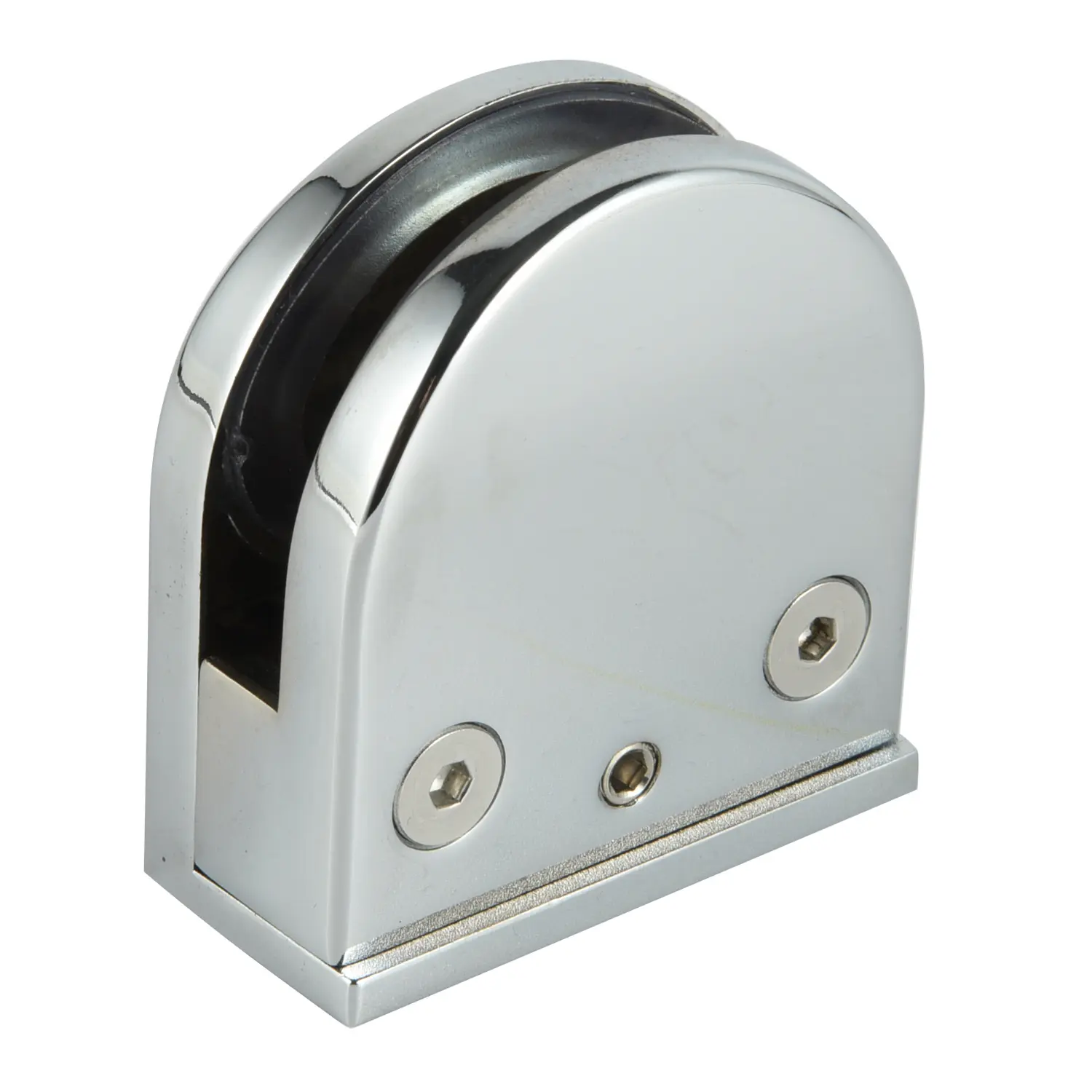
Our patented Low-Profile Design features:
✓ Only 12mm visible profile for near-invisible support
✓ Counterbored screw channels that disappear when installed
✓ Laser-etched alignment markers for foolproof installation
▪ Operating temperature range: -30°C to +80°C
▪ Salt spray tested: 1000+ hours (perfect for coastal areas)
▪ Fire-rated options available (up to 120 minutes integrity)
✦ Thermal Break Technology (prevents cold bridging in exterior applications)
✦ Acoustic Damping versions reduce vibration noise by 27dB
✦ Custom Laser Engraving available for branded installations
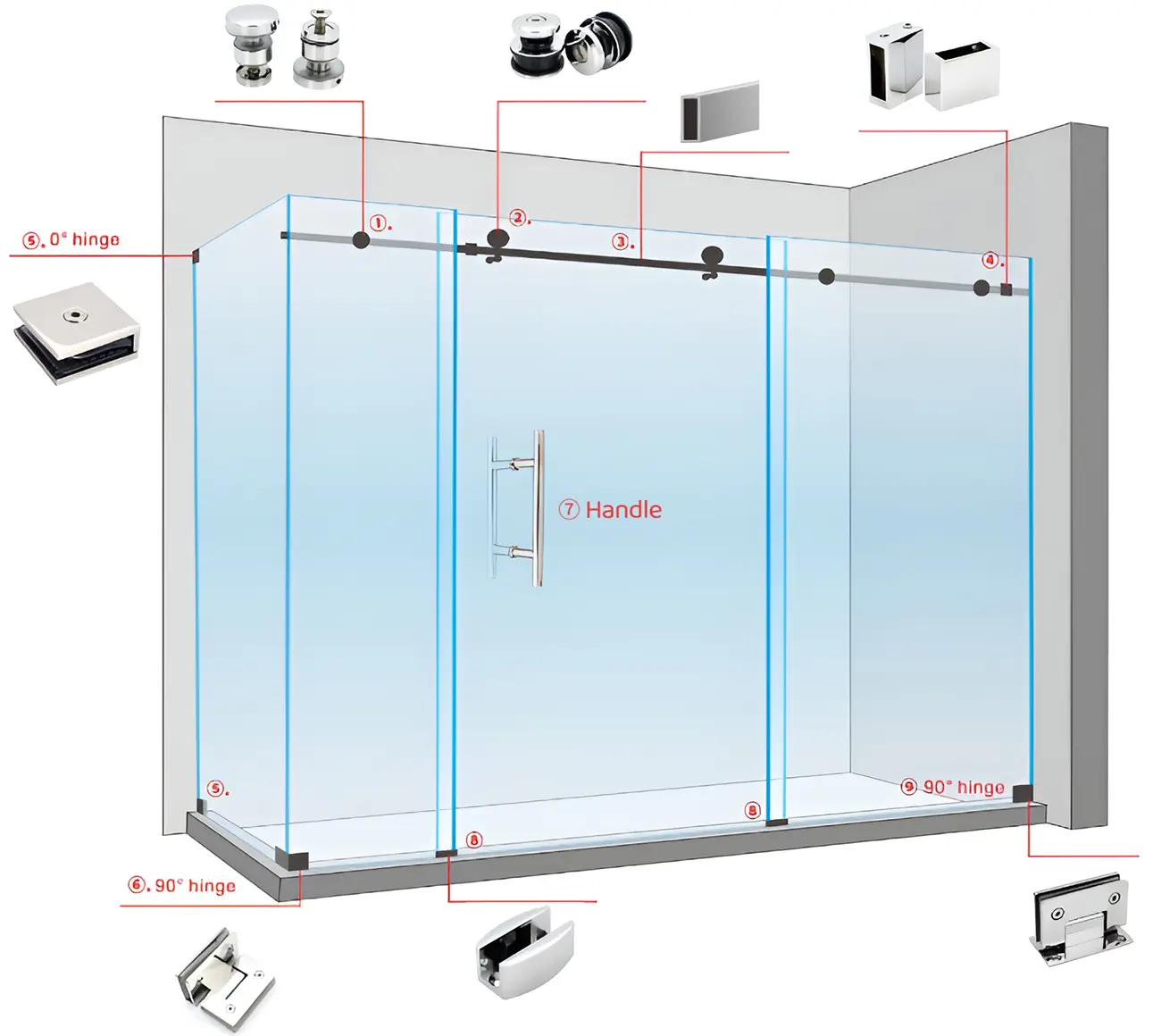
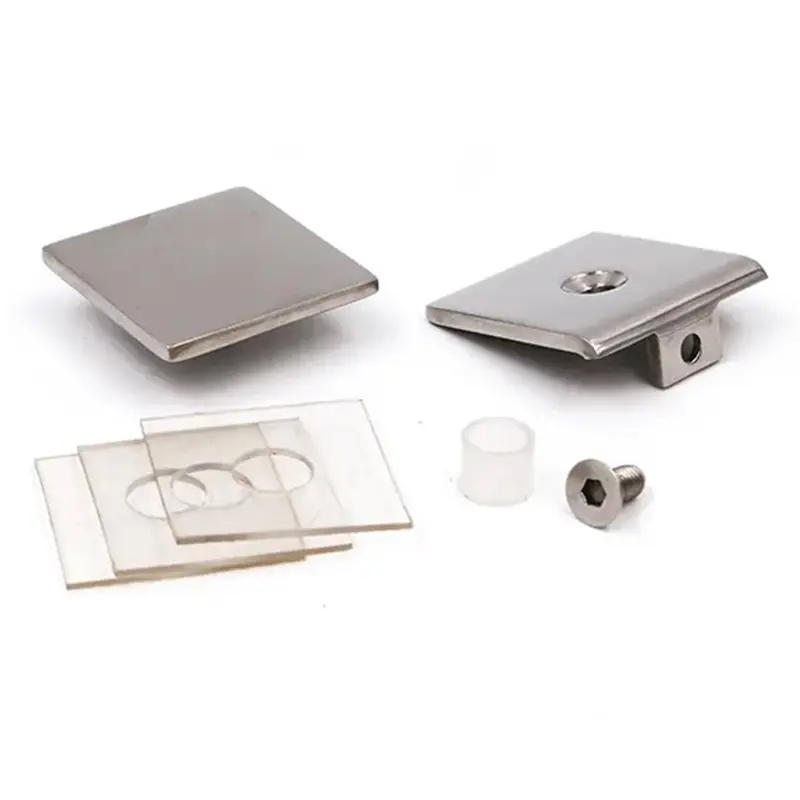
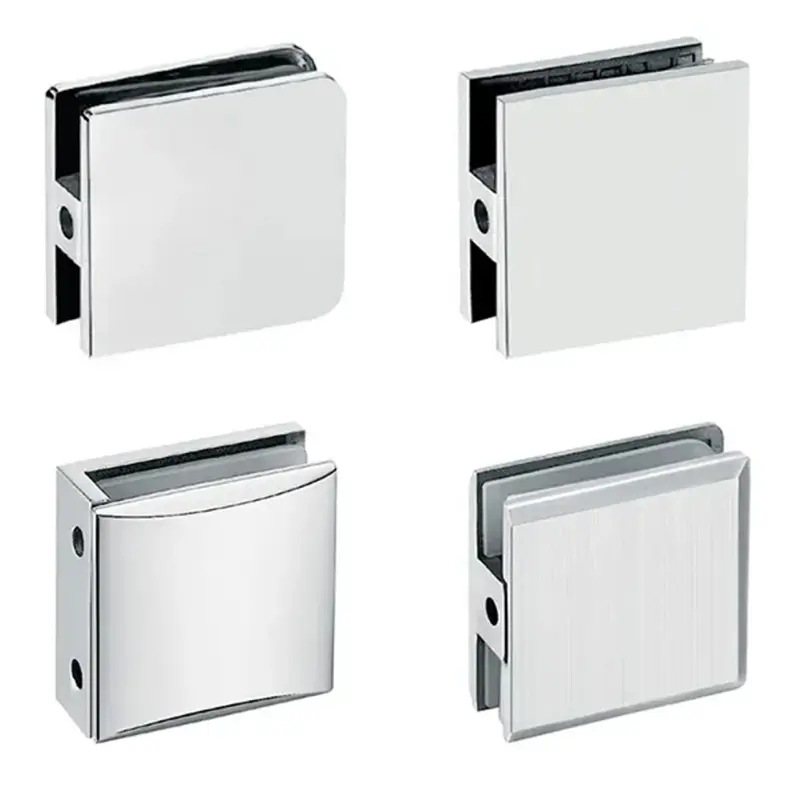
→ BIM files available for all standard models
→ Project-specific engineering calculations provided
→ Global technical support from our structural glass experts
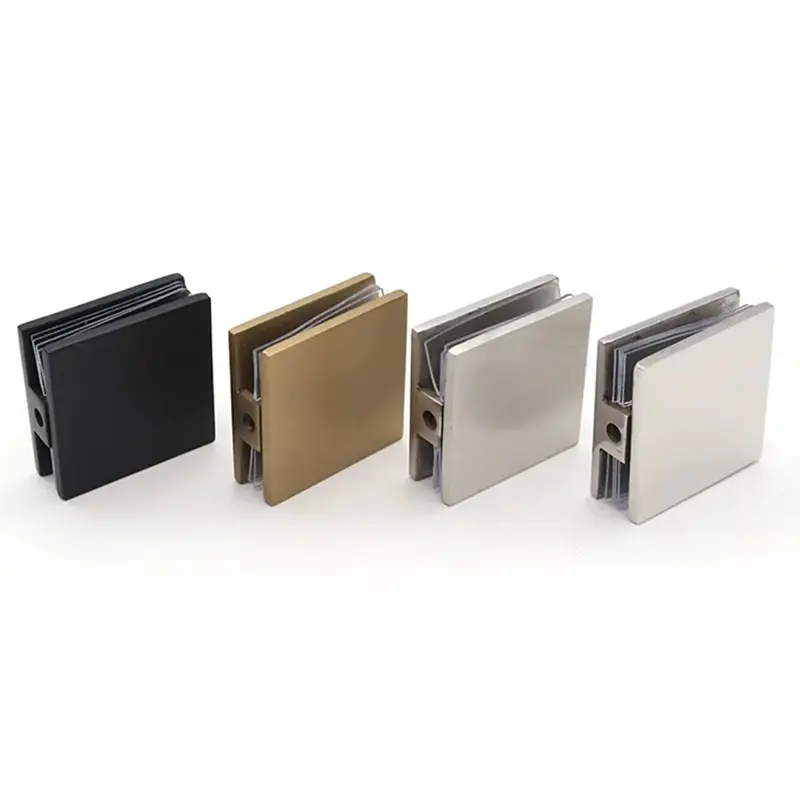
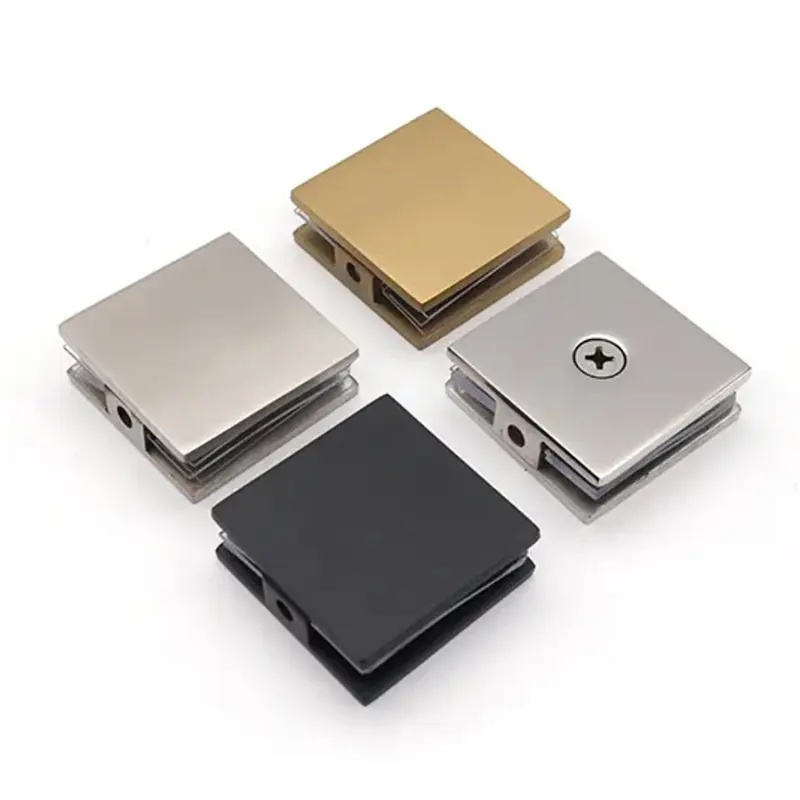
• Brushed Stainless Steel
• Black Oxide
• Bronze PVD
• Custom powder coating (RAL color matching)
Whether creating:
★ Floating glass staircases
★ Executive office partitions
★ Luxury retail displays
★ Infinity-edge balcony barriers
...our clamps deliver the perfect combination of invisible strength and architectural purity.
The clamps feature an ultra-low profile design with only a 12mm visible profile, ensuring minimal visual impact and offering a near-invisible structural support system.
Yes, these glass clamps are salt spray tested for over 1000 hours, making them exceptionally corrosion-resistant and perfect for installations in coastal areas or highly exposed outdoor settings.
Absolutely. We offer specialized fire-rated options that provide up to 120 minutes of structural integrity, meeting strict building safety codes for commercial partitions and barriers.
We offer various standard architectural finishes, including Brushed Stainless Steel, Black Oxide, and Bronze PVD. Custom powder coating is also available with precise RAL color matching.
Yes, we provide BIM files for all standard models to streamline your digital integration. We also offer project-specific engineering calculations to assist your structural planning.
Our integrated Thermal Break Technology prevents cold bridging between the glass and the structural substrate, which improves overall building energy efficiency and reduces condensation buildup in exterior applications.