Premium architectural and bathroom accessories manufactured under ISO9001 and IATF 16949 standards.
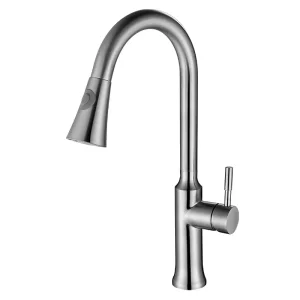
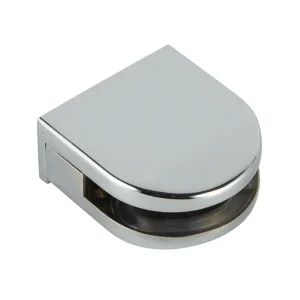
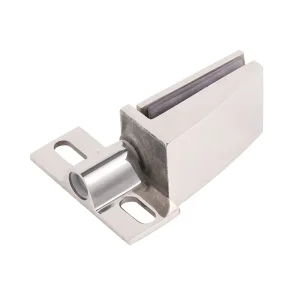
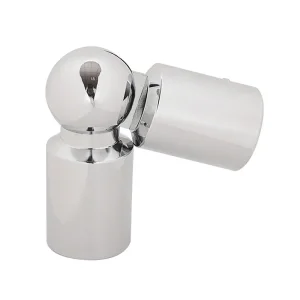
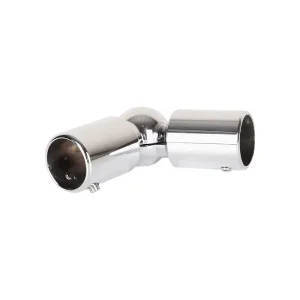
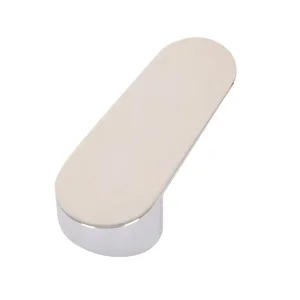
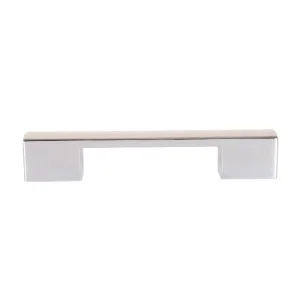
Established in 2007, Ningbo Huazhu Precision Machinery Co., Ltd. (originally Tiezhu Hardware Factory) has positioned itself at the nexus of high-end hardware engineering. Over almost two decades, we have developed a integrated workflow specializing in custom mold design, hot/cold die-casting, high-precision CNC machining, robotized and manual polishing, complex electroplating, paint spraying, PVD, and automated assembly.
Through systematic investments in modern manufacturing infrastructure, we ensure our global hardware clients benefit from accelerated prototyping phases, stable metallurgical configurations, and flawless surface finishes that adhere to RoHS and REACH environmental guidelines.

A comprehensive study on engineering paradigms, material science, surface integrity, and supply chain strategies in Chinese export factories.
The global luxury residential and commercial custom millwork market is experiencing a significant shift. Hardware components, once considered mere functional items, have evolved into core aesthetic focal points. In particular, custom wardrobe handles have become signature architectural statements in luxury interior design. Major furniture manufacturers, real estate developers, and high-end cabinetry brands globally are seeking strategic partnerships with specialized OEM contract manufacturing factories in China to fulfill their complex, low-tolerance design concepts.
This surge in demand is driven by the growing consumer preference for integrated cabinet hardware, flush pulls, and statement oversize T-bars. These designs require casting configurations that exceed the capabilities of basic hardware vendors. Global sourcing directors face the critical task of identifying China manufacturing partners who can translate sophisticated design languages—often featuring organic curves, micro-knurling patterns, and ultra-slender profiles—into structural metal elements that maintain mechanical integrity over decades of usage.
To succeed, contract manufacturers must possess deep metallurgical expertise, advanced structural simulation software (such as Magmasoft for die-casting simulations), and high-throughput finishing capabilities. China’s advanced industrial clusters, particularly in the Zhejiang region, provide a robust ecosystem that supports quick raw material sourcing, mold steel tooling, and electroplating infrastructure, making it the preferred destination for scale-driven global contract manufacturing.
Choosing the correct base metal is the foundational decision in custom wardrobe handle engineering. The material dictates not only the maximum complexity of the shape but also the final feel, weight, structural yield strength, and the compatibility with advanced finishing techniques.
Zinc Alloy (Zamak 3 & Zamak 5): Zinc is the ideal material for complex, high-definition cabinet hardware. The low melting point of zinc alloys (approximately 380°C to 390°C) combined with high fluidity allows for die-casting thin-walled, highly detailed structures with tight dimensional tolerances. Zamak 3 is popular for its excellent balance of physical and mechanical properties, as well as its superior plating compatibility. Zamak 5, which contains higher copper content, offers increased tensile strength and hardness, making it ideal for oversized wardrobe pulls that endure high bending moments.
Aluminum Alloys (6063, ADC12): Aluminum is lightweight, has inherent corrosion resistance, and is suitable for long, linear profile handles manufactured via extrusion processes. However, for intricate decorative configurations, aluminum die-casting (ADC12) requires higher casting temperatures and produces a surface that is more difficult to polish and electroplate compared to zinc alloy. Aluminum is typically finished using anodization or powder coating rather than complex multi-layer electroplating.
Stainless Steel (Grade 304 & 316): Known for exceptional tensile strength and corrosion resistance, stainless steel handles are manufactured using investment casting (lost wax) or CNC machining from bar stock. While highly durable, the tooling and machining costs are significantly higher than zinc, and the level of structural complexity achievable via casting is more limited. For mainstream luxury residential projects, zinc alloy remains the premier choice due to its manufacturing flexibility and the superior luster achievable through electroplating.
The manufacturing of a premium wardrobe handle is a multi-step engineering process that requires strict control at every stage. A breakdown of the typical production workflow reveals the complexity behind these everyday architectural elements:
Design for Manufacturing (DFM): Every OEM project begins with a comprehensive DFM analysis. Engineers assess the 3D model for draft angles, wall thickness uniformity, and potential hot spots where shrinkage porosity might occur during casting. Tooling design is then optimized, including the gate runner system, overflow wells, and cooling channels. Modern factories utilize hot-chamber die casting machines (ranging from 88T to 400T clamp force) to ensure the molten zinc is injected under optimal pressure and velocity, minimizing internal gas voids.
Precision CNC Machining & Grinding: Once cast, the raw parts undergo flash trimming, followed by secondary CNC drilling, tapping, and milling. This step is critical to ensure that handle mounting holes and thread depths match the client’s specifications with tolerances held within +/- 0.05mm. Any deviation in hole-to-hole distance can lead to installation failure on high-end cabinetry panels.
Surface Refinement (Polishing): The quality of the final plated finish is directly determined by the quality of the initial polish. Our facility combines automated robotic polishing lines for consistent flat-surface processing with highly skilled manual polishers who detail complex geometric transitions, removing parting lines and minor surface imperfections. The objective is to achieve a mirror-like Ra < 0.1 µm surface before the part enters the chemical plating cycle.
Electroplating & PVD Coating: For luxury hardware, surface finish is everything. The electroplating sequence involves multi-stage cleaning, followed by acid copper plating (to provide a smooth, conductive leveling layer), nickel plating (for corrosion resistance and barrier performance), and finally, the topcoat layer (such as chrome, gold, brass, or gunmetal). Physical Vapor Deposition (PVD) is applied over the electroplated nickel/chrome layer to deposit high-density metallic films, creating ultra-durable surfaces resistant to wear, finger acid, and oxidation.
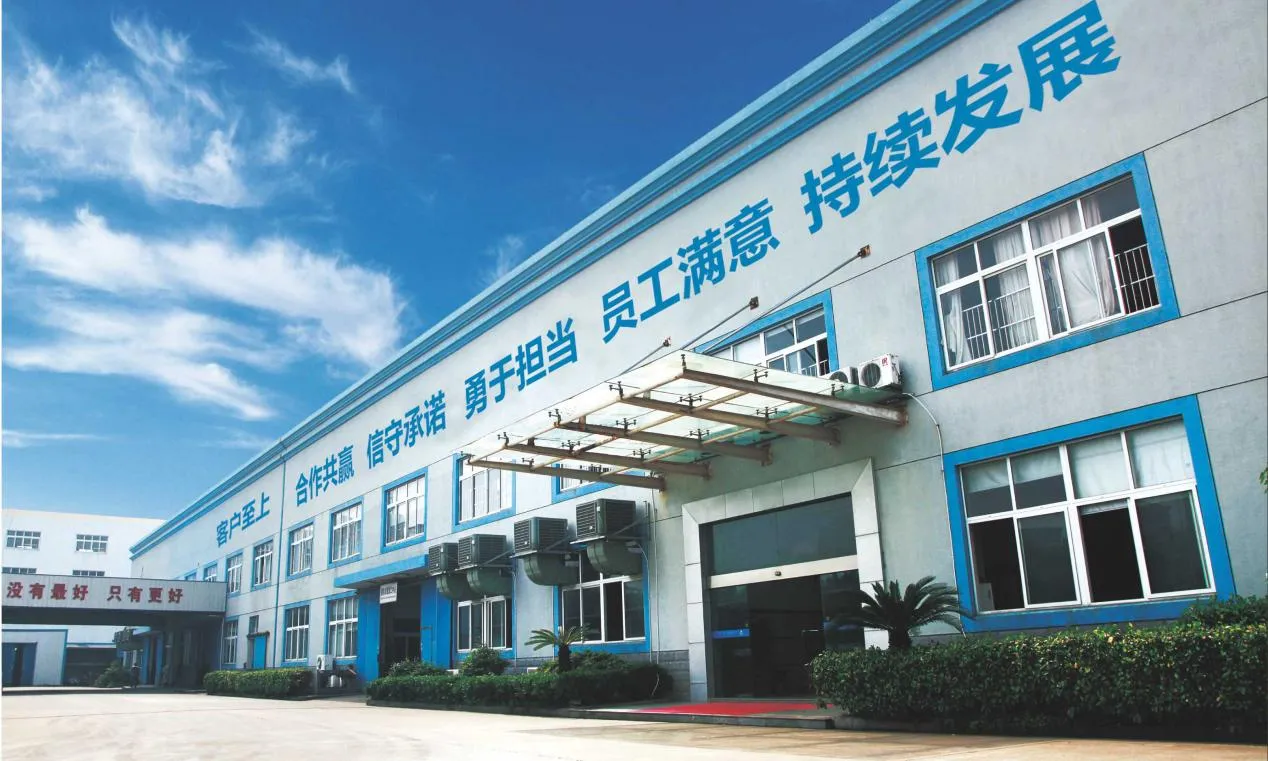
To meet the stringent standards of global luxury brands, our manufacturing processes are backed by a comprehensive testing laboratory. Every batch of OEM wardrobe handles is subjected to rigorous validation procedures, including Salt Spray Testing (ASTM B117) to evaluate corrosion resistance up to 480 hours, Cross-Hatch Adhesion testing to check finish stability, and cycling fatigue testing to simulate decades of daily operations.
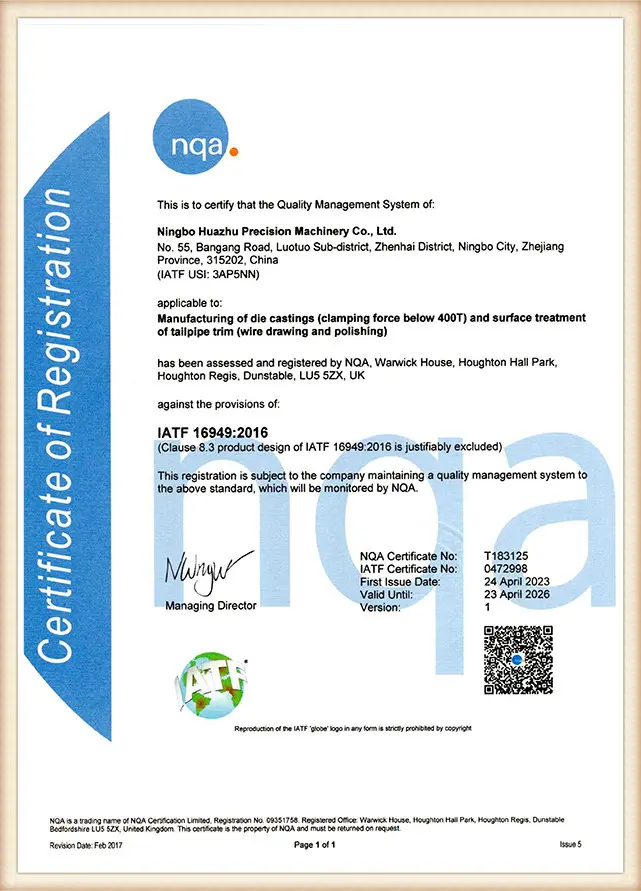
By maintaining IATF 16949 automotive-grade quality standards, we ensure that every shipment of decorative and architectural hardware exhibits zero surface defects, uniform plating color, and structural durability.
For international procurement managers, purchasing from a factory is not just about buying components; it is about acquiring end-to-end industrial solutions that mitigate supply chain risk. Standard hardware catalogs often fail to meet the bespoke requirements of custom residential projects or commercial developments. Therefore, we offer custom customization protocols designed to simplify the OEM/ODM sourcing process.
Our engineering team works closely with clients' industrial designers during the initial sketching phase. By utilizing rapid 3D prototyping (SLA/SLS resin printing or prototype CNC milling in zinc), we help clients verify the ergonomic comfort, weight distribution, and visual scale of the handle within days rather than weeks. Once the prototype is approved, our in-house mold-making department can complete production-grade tooling within 28 to 35 days, significantly reducing the time-to-market compared to industry averages.
Furthermore, we support customizable packaging and kitting options. Wardrobe handles are delivered with custom screw lengths (such as break-away screws to fit varying door panel thicknesses), protective microfiber wrapping to prevent scratching during transport, and retail-ready barcode labeling, saving significant assembly and logistics time at the client's destination warehouse.
Integrating artificial intelligence, precision automation, and green chemistry into the future of hardware production.
Utilizing real-time thermal sensors and flow rate algorithms to dynamically adjust the casting parameters of our hot-chamber die casting machines. This reduces internal porosity by 40% and ensures higher mechanical stability for complex handle geometries.
Upgrading our electroplating facilities to include trivalent chromium plating processes and closed-loop water filtration systems. Our manufacturing methods conform strictly to international environmental regulations, ensuring safety and compliance.
Employing multi-camera automated optical inspection (AOI) units at final assembly. Every handle is scanned for microscopic surface scratches, plating bubbles, and dimensional tolerances before packing, guaranteeing zero-defect delivery.
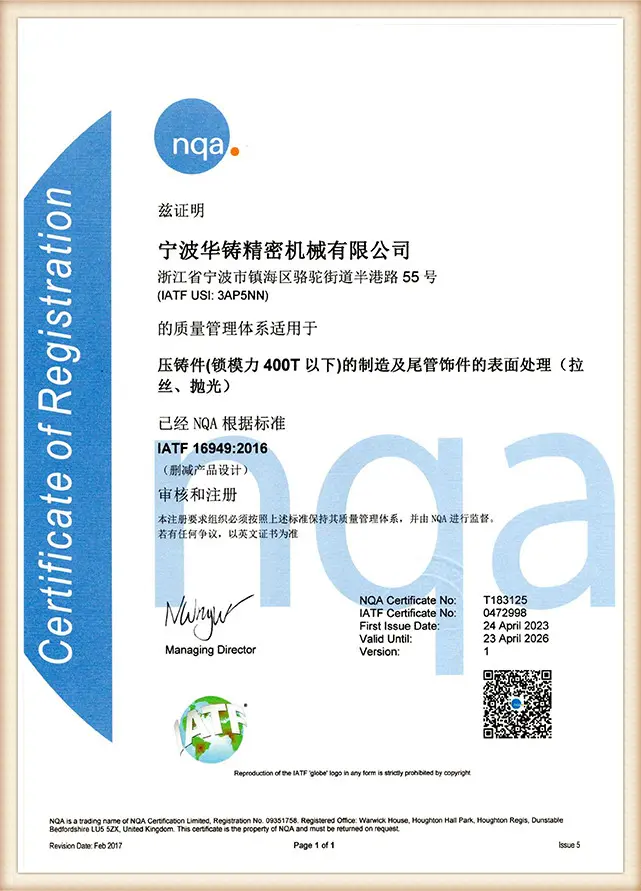
Our factory processes are certified to ISO 9001 and IATF 16949 standards, reflecting our commitment to rigorous quality control. This management framework underpins all our architectural and bathroom hardware production lines.
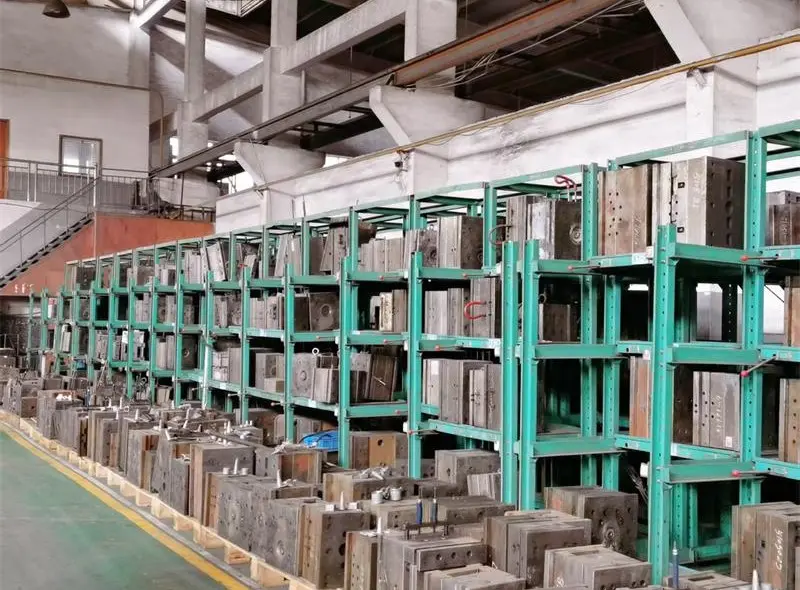
We possess in-house CNC mold machining facilities, capable of producing hardened steel molds within 28-35 days, guaranteeing high precision and tooling longevity.
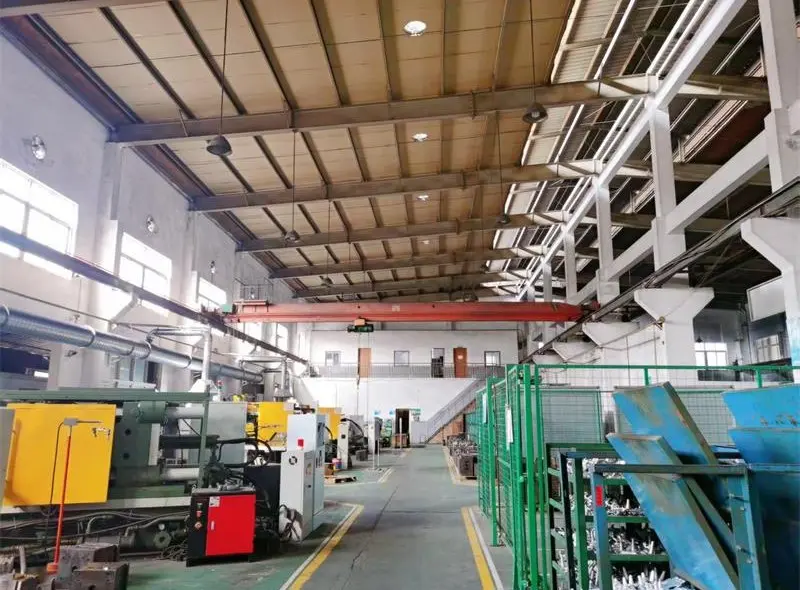
Equipped with modern high-pressure zinc/aluminum die-casting machinery that delivers consistent structural strength and reduces micro-porosity.
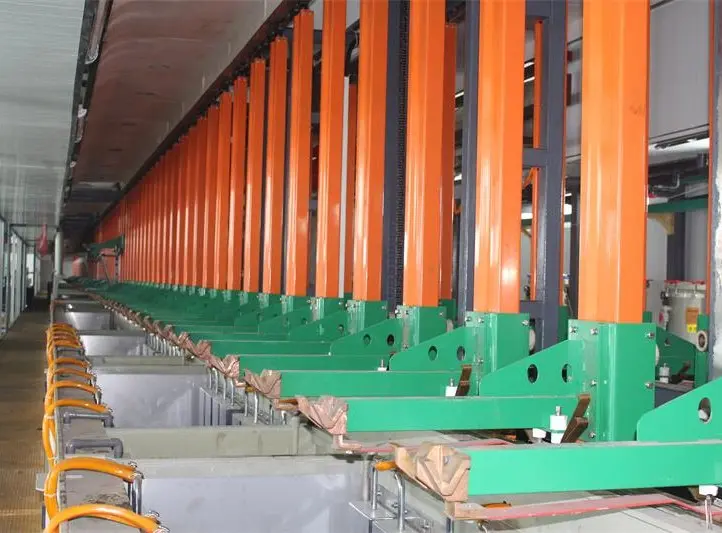
Our chemical surface finishing provides exceptional salt spray performance (up to 480 hours), guaranteeing durability in humid residential environments.
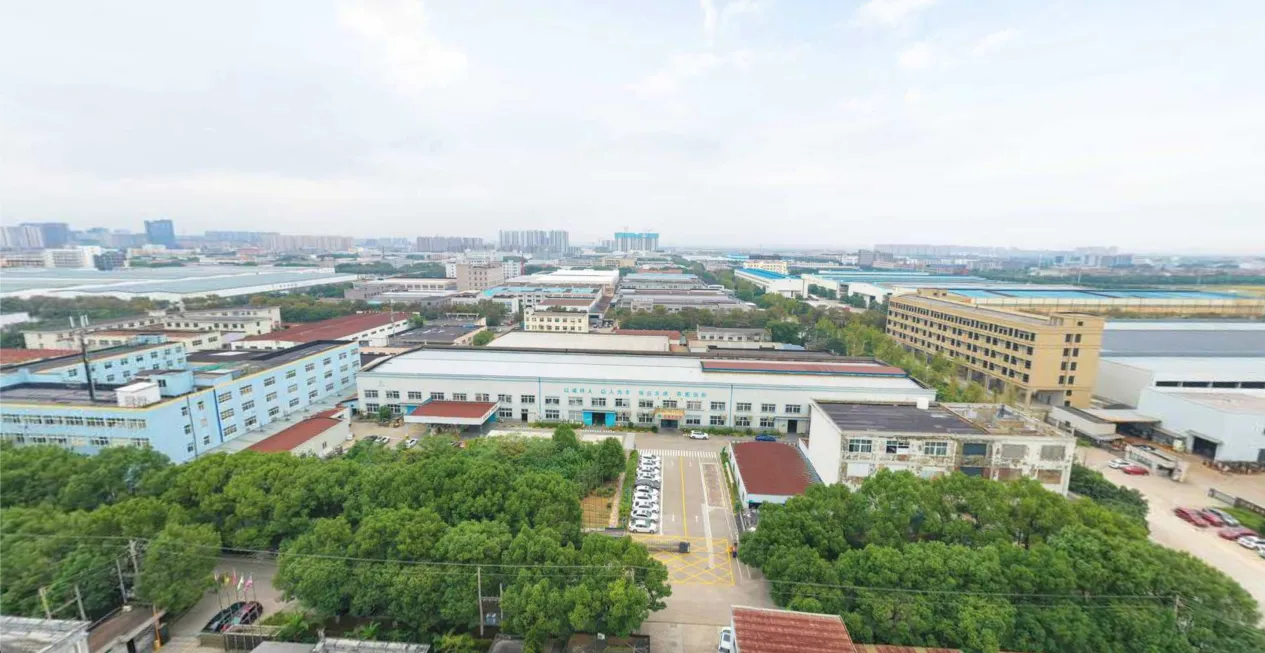
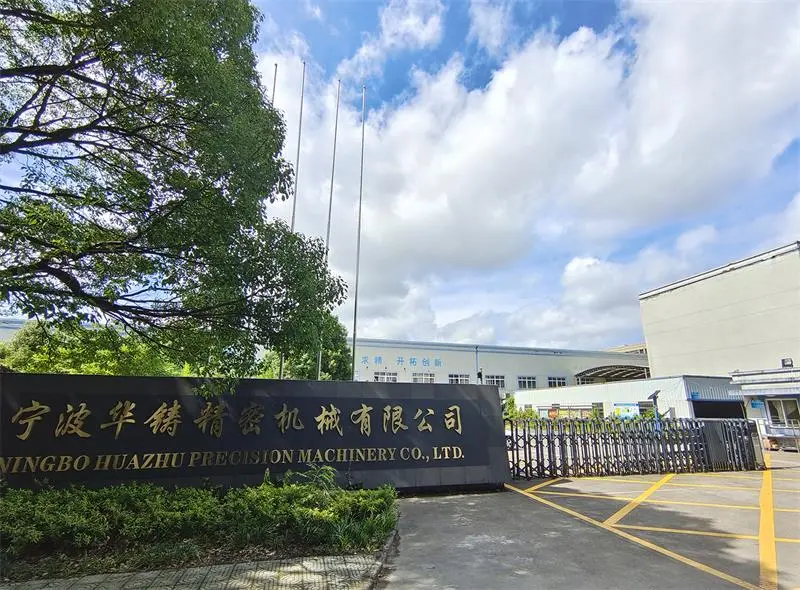
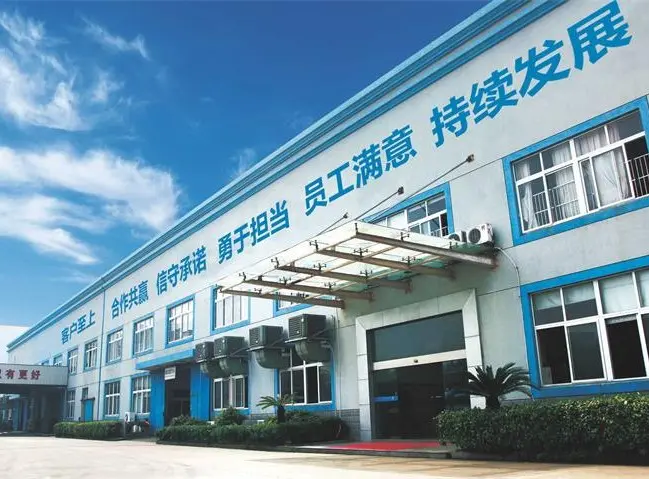
A look inside our machining, polishing, assembly, and metal testing facilities in Ningbo, Zhejiang.

Addressing the core technical, logistical, and commercial inquiries of B2B procurement professionals.
For custom zinc alloy wardrobe handles, our design phase including DFM analysis and Mold Flow Simulation takes about 5 to 7 working days. Once approved, the actual tool steel cutting, machining, EDM, and polishing take between 28 to 35 days. The standard mold life for zinc alloy die-casting is typically 100,000 to 150,000 shots depending on the geometry and design requirements. We maintain and store the tools in-house with regular maintenance routines to ensure consistent quality throughout the production lifecycle.
We provide varying tiers of corrosion resistance testing depending on customer requirements. Our standard electroplated finishes (such as Satin Chrome or Brushed Nickel) comfortably pass 240 hours of Neutral Salt Spray testing (NSS according to ASTM B117) with zero red rust or blister formation. For high-humidity installations or luxury bath/wardrobe combinations, we can apply specialized PVD coatings or clear electrophoretic lacquers, raising the performance limit to 480 hours NSS. Test reports are supplied with every sample and shipment batch.
Yes. All raw materials (Zamak 3, Zamak 5, Alum 6063) and finishing chemicals used in our facility are fully compliant with the European RoHS Directive (2011/65/EU) and REACH (EC 1907/2006) regulations. We use lead-free zinc alloys and ensure our plating baths are nickel-release safe where required. We coordinate with third-party testing organizations such as SGS or TÜV to issue material verification certificates upon request.
Our typical Minimum Order Quantity (MOQ) ranges from 1,000 to 3,000 units per model, depending on the component's size, weight, and surface complexity. This MOQ is set to justify the setup costs for high-speed automated polishing and chemical electroplating runs. For the initial sample validation run, we provide small prototype batches (typically 5 to 10 units) for visual and mechanical testing. Our quotes are split into Tooling Charges (one-time payment, with ownership transferrable after target volumes) and Piece-Price rates based on current metal market index prices.
Delivering high-end hardware OEM solutions to industry-leading brands across Europe, Japan, and the Americas.







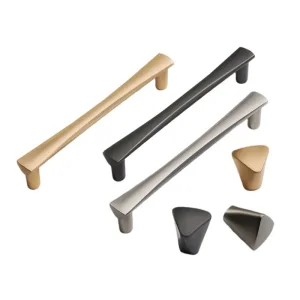
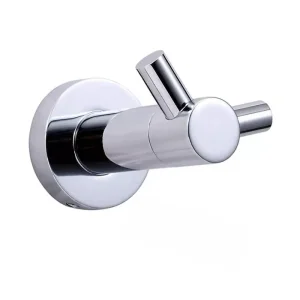
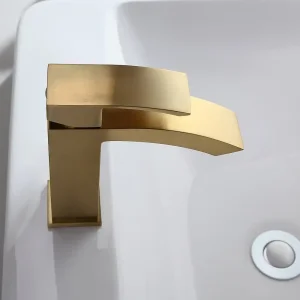
Precision-crafted pulls, knobs, and custom hardware accessories for luxury furniture lines.
Get in touch with Ningbo Huazhu Precision Machinery’s engineering team today. Send us your 3D models or 2D technical drawings, and receive a comprehensive DFM evaluation and tooling quote within 24 hours.
Request Technical Quote & Price List Huazhu